
LABOUR IN DEMAND OF CHRISTMAS VACCINE TO PROTECT PUPILS IN ENGLAND
Call for rapid rollout before January made as figures reveal only 44% of children aged 12-15 are vaccinated
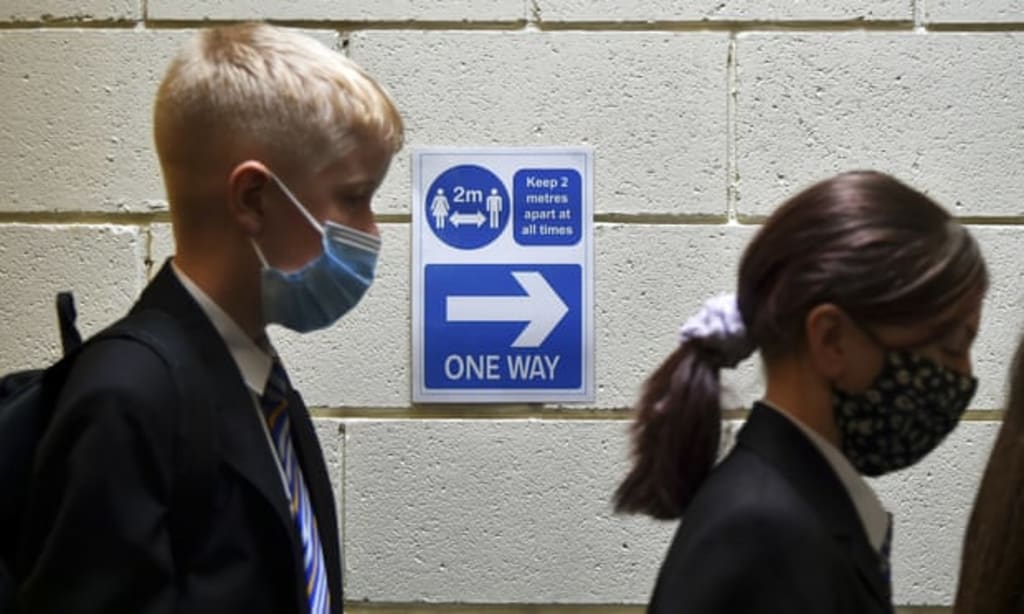
Labour has called on the government to give a “Christmas vaccine guarantee” to the hundreds of thousands of eligible children in England who have been unable to receive a COVID vaccination.
With recent figures showing that just 44% of children in the 12-15 age group had been vaccinated on 8 December, Bridget Phillipson, the shadow education secretary, said the government needed to make a bigger push to vaccinate the remainder before they returned to school in the new year.
“As Omicron cases in the UK are rising, it’s essential that ministers use the Christmas holidays to get the vaccine out to children, preventing continued chaos next term,” Phillipson said.
Lauren McLean, 15, from Newcastle, receives the Pfizer-Bio N Tech Covid-19 vaccine.
COVID: figures reveal vaccine lottery for children in England
“Labour has been calling on ministers to use pop-up and walk-in clinics, and bring back volunteers and retired clinicians to increase vaccine rollout, but 13 weeks after the jab was approved [by the chief medical officers] the Conservatives have failed to deliver.
“With hundreds of thousands of children out of school each week this term, the government must urgently get a grip and stop neglecting children’s education.”
The government had initially aimed to offer vaccinations to all 12- to 15-year-olds by the October half-term break. But the most recent figures suggest it will struggle to vaccinate half by the end of term next week.
The Department of Health and Social Care has described the vaccination programme in England as “a phenomenal success”, with children able to be vaccinated at school or using the national booking system.
Phillipson’s call came as two primary schools in England reported cases of the Omicron variant, including among staff and pupils at Solent infant school in Portsmouth. An entire year group at Manor community primary school near Dartford in Kent was sent home after a case emerged there.
Phillipson has written to Nadhim Zahawi, the education secretary, asking him to urge the Department for Health to drive up vaccination rates among children, including a campaign to promote vaccinations and access to walk-in clinics.
Earlier this week, Susan ACLAND-HOOD, the permanent secretary at the Department for Education (DFE), suggested to MPs that most schools would have to pay for any new air conditioning or ventilation from their existing budgets.
“In Germany and New York, ventilation systems have been in place in schools for months. Once again, England is lagging behind our international counterparts and children are being let down as a result,” Phillipson wrote.
But even before the Omicron variant began spreading in England, attendance data from the DFE showed that more than 200,000 pupils were absent for COVID-related reasons at the end of November, a rise of 60% in two weeks.
Results collated by Education Data lab suggest that the absence rate in state secondary schools is close to 10%, compared with nearly 6% before the pandemic. The biggest contributor to the rise has been in number of pupils off school because of illness.
The DfE counts pupils absent for “COVID-related” reasons if they have suspected symptoms or a positive lateral flow test result. But if they return a positive PCR test they are counted as absent because of illness. As a result, the figures understate the full impact of COVID on school attendance
How vaccines help
Vaccines contain weakened or inactive parts of a particular organism (antigen) that triggers an immune response within the body. Newer vaccines contain the blueprint for producing antigens rather than the antigen itself. Regardless of whether the vaccine is made up of the antigen itself or the blueprint so that the body will produce the antigen, this weakened version will not cause the disease in the person receiving the vaccine, but it will prompt their immune system to respond much as it would have on its first reaction to the actual pathogen
Herd immunity
When someone is vaccinated, they are very likely to be protected against the targeted disease. But not everyone can be vaccinated. People with underlying health conditions that weaken their immune systems (such as cancer or HIV) or who have severe allergies to some vaccine components may not be able to get vaccinated with certain vaccines. These people can still be protected if they live in and amongst others who are vaccinated. When a lot of people in a community are vaccinated the pathogen has a hard time circulating because most of the people it encounters are immune. So the more that others are vaccinated, the less likely people who are unable to be protected by vaccines are at risk of even being exposed to the harmful pathogens. This is called herd immunity.
This is especially important for those people who not only can’t be vaccinated but may be more susceptible to the diseases we vaccinate against. No single vaccine provides 100% protection, and herd immunity does not provide full protection to those who cannot safely be vaccinated. But with herd immunity, these people will have substantial protection, thanks to those around them being vaccinated.
Vaccinating not only protects yourself, but also protects those in the community who are unable to be vaccinated. If you are able to, get vaccinated.
About the Creator
Keep reading
More stories from writers in Lifehack and other communities.
Best Crib Bumper Options for Modern Nurseries
Designing a modern nursery is all about creating a space that feels calm, stylish, and comfortable for both parents and baby. One product that often becomes part of this discussion is the Crib Bumper. In the past, crib bumpers were mainly used for protection, but today they are also seen as a design element that adds softness and visual balance to the crib. Modern parents now look for options that combine simple aesthetics with better airflow and safer materials, instead of the thick and heavily padded styles used years ago.
By Muhammad Hanzla3 days ago in Lifehack
The Weight of Security: What Moving a Gun Safe Reveals About Home and Responsibility in Houston
A home is made not only of walls and furniture, but of invisible feelings that live within it. Comfort, routine, and safety quietly shape how we experience the spaces around us. Some objects contribute to this sense of stability more than others. Among them, few carry as much symbolic and physical weight as a gun safe.
By House Doctora day ago in Lifehack


Comments
There are no comments for this story
Be the first to respond and start the conversation.