
Microplastic buildup in human brains, mostly in dementia patients, is shown by a disturbing study.
In dementia brains, microplastics

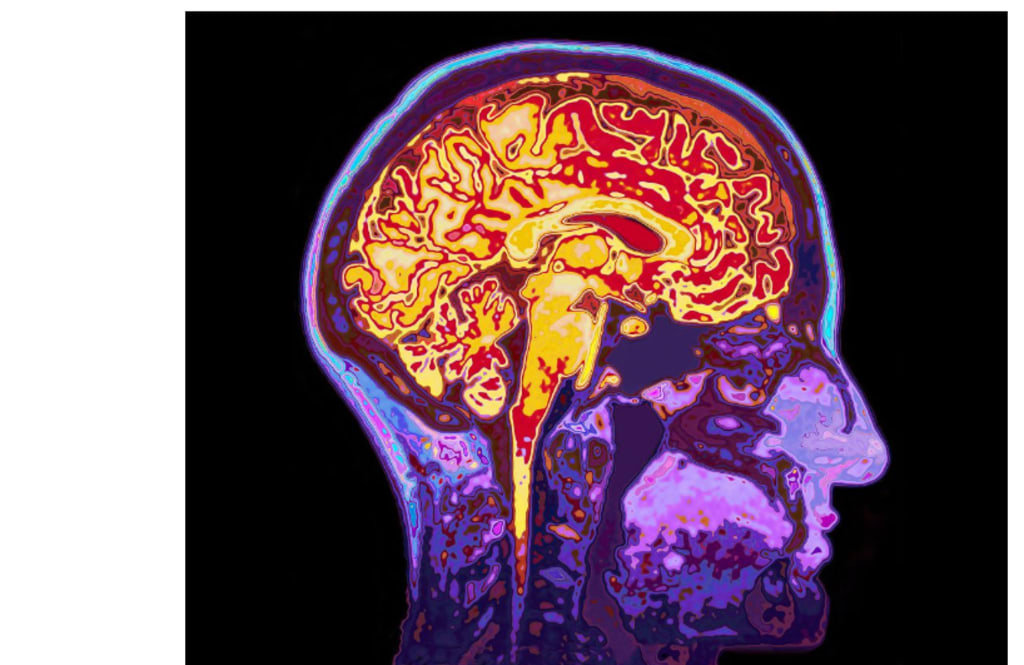
Microplastics are tiny pieces of plastic that have been found in food, water, and the air. These microplastics can now cross the blood-brain barrier and gather in deep brain regions, according to a study done on 52 donated human brains.
Every sample had traces of polyethylene and other polymers, and researchers observed that the amounts of these substances were higher in more recent specimens than in older ones.
Researchers found that 2024 samples had more plastic than 2016 samples, indicating a continuous increase. Matthew Campen, a toxicology professor at the University of New Mexico, conducted the study and advised care while identifying the production of plastics worldwide as a major contributing factor.
In dementia brains, microplastics
Experts also looked into whether specific circumstances make the accumulation of these materials worse. They observed that compared to other samples, the brains of a group of dementia patients had three to five times as much plastic fragments.
Every time we delve deeper, we find a plethora of questions like, "Oh, is this worse than we thought?" said Campen.
The shapes of the shards observed under an electron microscope shocked the scientists. Many were ragged, flake-like formations rather than tidy spheres. Microplastics with smooth, round shapes may interact with cells differently than those with uneven morphologies.
Other organs that contain microplastics
Plastic residues have been found in human organs such as the kidneys, placentas, and arteries in a number of previous studies. Research has demonstrated that even brief exposure to synthetic particles can cause inflammation in several organs in mice models.
Some experts warn that because plastic exposure is almost common, it might be challenging to link certain illnesses to these particles. Another group found microplastics in the brain's olfactory bulb, indicating that there are other ways for these pieces to infiltrate the nervous system.
Particles can lodge much deeper in the frontal brain, according to the current research.
Microplastics and brain function
There are several unresolved issues regarding the potential effects of these particles on mental acuity or other processes.
Some note that the brain's filtering processes are frequently impaired in dementia patients, so it's not obvious if increased plastic numbers cause these disorders or result from the brain's inability to properly eliminate them.
Exposure to microplastics has been associated in animal studies with mild memory impairments and early cellular stress indicators in certain brain areas. It might take years before human research reveals whether these pieces directly cause neurological problems, according to observers.
Public concern and industry reaction
Manufacturers are aware of the possible hazards that the growing volumes of plastic waste present. The reduction of microplastic contamination is still a top goal.
According to Kimberly Wise White, vice president of regulatory and scientific affairs at the American Chemistry Council, "the global plastics industry supports advancing scientific understanding of microplastics."
Some people wonder if wearing clothing made of natural fibres or moving to reusable containers can lessen exposure. Given how common plastic use is and how these particles travel through food, water, and the air, many scientists believe there are currently no easy solutions.
Unexpected difficulties in the future
Experts who were questioned about ways to stop microplastics from entering the brain and other critical organs talked about stricter rules on industrial waste and better filtration.
Others emphasised that additional information is needed to determine which plastics are most likely to break into tiny pieces. They went on to say that variations in size, shape, and chemical composition might all have an impact on how much damage is done.
Urgent steps for human health may encounter similar obstacles, as marine biologists have noted that early warnings concerning plastic litter in oceans were mainly disregarded.
According to Richard Thompson, a lecturer at the University of Plymouth who coined the term "microplastics," it can be difficult to connect tiny particles to particular health consequences.
Advanced detecting techniques
Scientists are now able to see what was previously invisible thanks to new detecting techniques.
Over the past ten years, sophisticated imaging techniques and chemical tests have improved in accuracy, which increases trust in the results. However, many are concerned that the issue might be more serious than what the tests are showing.
The question of age, health, and lifestyle characteristics that may affect how much microplastic enters one person's body compared to another has also been brought up in studies.
Unexpectedly, this study did not find a relationship between microplastic levels and the age at which a decedent passed away. To determine who might be more at danger, the researchers intend to carry out additional research.
Growing evidence and prudence
Finding detrimental impacts is made more difficult by the wide variety of plastics used in daily life. Although polypropylene, polystyrene, While some decompose into fibrous threads that may tangle in tissues, others disintegrate into tiny flakes.
Experts advise being informed but emphasise that there is no need to panic. Increased awareness could lead to improvements in waste management, customer preferences, and production processes.
According to Campen, additional measures will be required to prevent future increases in these particles as the world's plastic production increases.
Microplastics and brain health in the future
The pace of research in this area is increasing. International teams are experimenting with novel materials that decompose more cleanly and improved recycling techniques to lessen the amount of plastic that ends up in the environment.
Long-term cohort studies and additional clinical trials could close important knowledge gaps about the effects of microplastic accumulation on various populations.
Scientists believe consistent results in lab trials, humans, and animals suggest caution, even if some questions remain. Prevention may become possible with a better understanding of how microplastics may damage blood vessels or brain cells.
About the Creator
Keep reading
More stories from Francis Dami and writers in Lifehack and other communities.
Your heart and digestive system may be harmed simultaneously by breathing contaminated air.
It is well known that there are numerous health concerns associated with breathing contaminated air. More precise information is revealed by a new study, which demonstrates that air pollution may damage the human heart and intestines at the same time.
By Francis Dami21 days ago in Lifehack
Keep Losing School Items? Personalised Name Tags Are the Answer
Every school day feels busy. Children carry uniforms, jumpers, coats, bags, lunch boxes, water bottles, shoes, and sports kits. Most of these items look the same as everyone else’s. The same navy jumper. The same black shoes. The same blue water bottle. Things can get confused or swapped very quickly.
By Tiger Tags4 days ago in Lifehack
Moving Through New Jersey
Moving in New Jersey is never just about changing addresses. It is about navigating contrasts. Urban density and suburban calm. Shore towns and industrial corridors. Old brownstones and newly built developments. The state may be geographically compact, but emotionally, it stretches far beyond its borders.
By House Doctor4 days ago in Lifehack



Comments
There are no comments for this story
Be the first to respond and start the conversation.