
Spaces That Welcome: Reflections on Table and Chair Rentals in Conroe, Texas
How preparing environments for gatherings reveals the deeper meaning of comfort, presence, and shared experience


There is a quiet moment before every gathering when a space waits.
The room is empty. The air feels still. Light enters through windows or open doors, touching floors that will soon carry movement and conversation. At this stage, nothing has yet happened, yet everything is possible.
I experienced this moment while preparing an event in Conroe, Texas, and what began as a simple organizational task gradually transformed into a deeper reflection about space, human connection, and the subtle role that physical environments play in shaping memory.
Table and chair rentals, at first glance, seem purely practical. They provide seating, structure, and organization. But when viewed more closely, they reveal something more profound. They shape how people gather, how they interact, and how they experience shared moments.
This reflection explores what it means to prepare space for others and why these seemingly simple choices matter more than we often realize.
The Meaning Behind Preparing Space
Preparing a space is not merely a logistical exercise. It is a thoughtful process that anticipates human presence.
Where people sit determines how they speak.
How they face one another influences connection.
How comfortable they feel shapes their willingness to engage.
Before guests arrive, the environment silently defines the experience that will unfold.
While organizing the event, I noticed that arranging tables and chairs required imagining the movement of people who were not yet there. I found myself visualizing conversations, laughter, pauses, and interactions. The space was being prepared not for objects but for human experience.
This realization transformed my perspective. Furniture became more than equipment — it became a framework for connection.
The Emotional Weight of Ordinary Objects
We often underestimate the emotional significance of everyday objects. Tables and chairs appear ordinary, yet they support some of life’s most meaningful moments.
Families gather around tables to celebrate milestones.
Friends sit together and share stories.
Communities meet, discuss, and connect.
These objects quietly hold human experience.
During my preparation process, I began to recognize that these physical elements contribute to emotional atmosphere. Their arrangement communicates intention and care. Their presence allows people to feel welcomed.
What appears simple becomes meaningful through its role in human interaction.
How Physical Layout Influences Behavior
One of the most striking discoveries was how spatial arrangement shapes behavior without conscious awareness.
Round tables encourage conversation by allowing everyone to face one another equally.
Long tables create a sense of shared journey and collective presence.
Open layouts promote movement and spontaneity.
Structured rows create focus and attention.
Each configuration produces a different emotional tone.
As I experimented with different arrangements, I observed how subtle changes altered the energy of the space. The environment was not neutral — it actively guided social interaction.
This understanding revealed the power of spatial design in shaping human experience.
Comfort as a Foundation for Connection
Comfort is often misunderstood as merely physical ease. In reality, it involves emotional security.
When individuals feel physically supported, they become more open to conversation. They engage more freely. They remain present.
Stable seating reduces distraction.
Accessible layouts remove social barriers.
Thoughtful spacing encourages ease.
These small details create an environment where interaction feels natural rather than forced.
I realized that comfort is not a luxury but a condition for meaningful connection.
The Invisible Labor of Hospitality
One of the most remarkable aspects of preparing an event is the amount of effort that remains unseen.
Before guests arrive, countless decisions must be made. Measurements must be taken. Deliveries must be coordinated. Arrangements must be adjusted.
This preparation is rarely noticed, yet it defines the experience of those who later enter the space.
Hospitality often involves invisible labor — work performed quietly for the benefit of others. It reflects care expressed through action rather than recognition.
This process revealed the generosity embedded in preparation.
Temporary Objects, Lasting Memories
The rented tables and chairs would exist in the space only briefly. After the gathering, they would be removed, leaving no visible trace.
Yet the moments they supported would remain.
People would remember conversations, emotions, and connections long after the physical objects disappeared. This contrast between temporary structure and lasting memory illustrates the relationship between environment and experience.
Physical arrangements are temporary. Emotional impact endures.
The Role of Trust in Shared Preparation
Organizing an event rarely happens alone. It involves collaboration and reliance on others.
Allowing external support requires trust. You depend on others to help shape an environment that reflects your intentions.
This collaboration reflects a broader social reality. Even personal gatherings rely on collective effort. Preparation becomes a shared responsibility.
Through this process, I recognized how community supports individual expression.
Space as an Expression of Care
Every decision about a gathering communicates something.
Thoughtful preparation signals attention.
Welcoming layouts express openness.
Careful organization demonstrates respect for guests.
These choices reflect how much we value the experience of others.
I found that preparing seating arrangements became an expression of care — a way of ensuring that each person would feel comfortable and included.
Space communicates emotion before words are spoken.
The Relationship Between Order and Calm
Order within a physical environment influences emotional state.
Balanced arrangements create visual harmony.
Clear pathways support ease of movement.
Organized layouts reduce uncertainty.
When a space feels structured, individuals experience greater comfort and clarity.
I noticed how carefully arranged tables produced a sense of calm even before guests arrived. The environment felt ready to receive people.
Order supports emotional stability.
Gatherings in a Digital World
Modern life increasingly unfolds through digital interaction. Yet physical gatherings remain essential.
They allow presence rather than representation.
They create spontaneous connection.
They support shared experience.
Preparing environments for these interactions becomes increasingly meaningful. Physical space offers something technology cannot replace — the immediacy of shared presence.
Tables and chairs become tools of connection in an increasingly virtual world.
The Human Need for Belonging
At the heart of every gathering lies a fundamental human desire: the need to belong.
Shared spaces provide structure for this experience. They allow individuals to connect, communicate, and participate.
Even simple arrangements support this universal need.
Preparing a gathering becomes an act of strengthening community.
How Environment Reflects Identity
While planning the event, I realized that spatial choices reflected personal values.
I wanted inclusivity and accessibility.
I wanted warmth and openness.
I wanted balance and comfort.
These intentions influenced every decision.
The environment became an extension of identity, expressing how I understood hospitality and connection.
The Subtle Psychology of Presence
Physical presence transforms interaction. When individuals share space, they communicate through gesture, expression, and proximity.
Seating arrangements influence these interactions. They determine distance, orientation, and engagement.
I observed how thoughtfully arranged seating encouraged deeper conversation. The environment supported presence.
Space shapes communication.
After the Gathering Ends
When the event concluded and the furniture was removed, the space returned to its original state.
Yet something had changed.
Relationships had formed.
Memories had been created.
Experiences had unfolded.
The physical environment disappeared, but its impact remained.
This transformation revealed the power of temporary structures in shaping lasting experience.
Seeing Everyday Objects Differently
After this experience, I began to notice environments more carefully. I observed how seating arrangements influence mood and how spatial design shapes interaction.
Ordinary objects gained new meaning.
Tables and chairs became symbols of preparation, connection, and shared experience.
Preparation as an Act of Generosity
At its core, preparing a gathering reflects generosity. It involves anticipating the needs of others and creating conditions for their comfort.
This process requires attention, effort, and intention.
It expresses care through environment.
The Cultural Importance of Shared Space
Human societies have always relied on shared spaces for celebration, discussion, and connection.
From communal meals to public gatherings, physical environments support collective experience.
Preparing these spaces continues a long tradition of human interaction.
A Personal Transformation
Organizing an event in Conroe changed my understanding of space and hospitality.
I learned that environment shapes behavior.
I learned that comfort supports connection.
I learned that preparation expresses care.
Most importantly, I learned that creating space for others is a deeply human act.
A Final Reflection
In the end, gatherings are defined not by objects but by the relationships they nurture. Yet those relationships depend on the environments we create.
Tables and chairs quietly support conversation, celebration, and memory. They provide the structure within which life unfolds.
Through preparation, we create spaces where connection becomes possible.
And perhaps that is their greatest significance.
About the Creator
House Doctor
House Doctor is a modern home improvement magazine dedicated to helping people create healthier, more beautiful, and more functional living spaces.
Keep reading
More stories from House Doctor and writers in Lifehack and other communities.
The Invisible Details That Shape Gatherings: A Personal Reflection on Table and Chair Rentals in Conroe, Texas
I never imagined that tables and chairs could carry emotional weight. For most of my life, they were simply objects — functional, practical, easy to overlook. A table was something you ate at. A chair was something you sat on. Their presence felt ordinary, almost invisible.
By House Doctorabout an hour ago in Lifehack
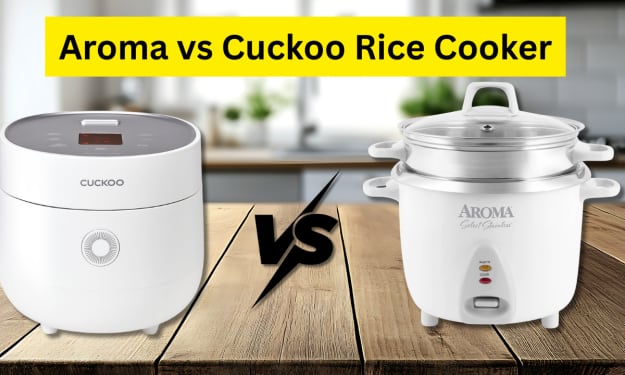
Aroma vs Cuckoo Rice Cooker: Which Should You Buy in 2026?
Choosing between brands can feel hard, especially with something you use every week. When I compare Aroma vs Cuckoo rice cooker, I notice key differences in price, features, and long-term value. I’ve looked closely at both, and here’s what stands out so you can decide which one fits your kitchen best.
By Mohammed mamun7 days ago in Lifehack
Cuckoo vs Tiger Rice Cooker: Which Brand Makes Better Rice in 2026?
Choosing between Cuckoo vs Tiger Rice Cooker can feel confusing when both brands promise perfect rice. I notice small differences in texture, speed, and features that really matter in daily cooking, especially for busy weeknights. I appreciate how each brand serves a different need, so here’s what stands out and which one makes more sense for your kitchen.
By Mohammed mamuna day ago in Lifehack



Comments
There are no comments for this story
Be the first to respond and start the conversation.