
You’re Not Lazy, You’re Probably Undereating
Stop Blaming Yourself


“I’m just lazy.”
That’s what so many students tell themselves when they:
- Can’t focus
- Feel constantly tired
- Procrastinate
- Struggle to wake up
But what if the problem isn’t laziness?
What if it’s energy deficiency?
As students, we romanticize productivity. But we ignore the biological foundation of productivity: nutrition.
Your brain needs glucose.
Your muscles need protein.
Your blood needs iron.
Your body needs calories.
When you undereat, your body shifts into conservation mode.
And conservation mode feels like laziness.
Signs You Might Be Undereating
- Constant fatigue
- Cold hands and feet
- Hair thinning
- Brain fog
- Irritability
- Strong cravings at night
This is not about dieting.
This is about insufficient fuel.
Many students unintentionally eat too little because:
- They skip meals
- They’re stressed
- They’re trying to “eat clean”
- They don’t have time
- They’re trying to save money
But chronic undereating affects:
1. Concentration
Your brain consumes about 20% of your body’s energy. Without adequate intake, cognitive function drops.
That’s not laziness.
That’s low glucose availability.
2. Mood
Low calorie intake affects neurotransmitters like serotonin and dopamine.
You may feel:
- Unmotivated
- Emotional
- Anxious
- Overwhelmed
Nutrition directly affects mood regulation.
3. Iron Deficiency
Female students especially are at risk of low iron. Iron deficiency can cause fatigue, weakness, and poor concentration.
You may blame yourself.
But your body is literally struggling to transport oxygen.
4. Protein Deficiency
Low protein can affect muscle strength and overall satiety. It can also worsen fatigue.
Productivity Is Biological
Before you call yourself lazy, ask:
- Did I eat enough today?
- Did I consume protein?
- Did I drink water?
- Did I sleep?
Your body cannot perform at 100% on 40% fuel.
You are not weak.
You are under-fueled.
Fuel first.
Judge later.
Your Body Switches to “Survival Mode”
When you consistently undereat, your body doesn’t just feel tired.
It adapts.
Your metabolism slows down.
Your movement subconsciously decreases.
Your motivation drops.
This is called adaptive thermogenesis.
Your body thinks:
“Food is scarce. Conserve energy.”
So instead of feeling energetic and productive, you feel heavy, slow, and mentally dull.
That’s not laziness.
That’s survival biology.
Your body is protecting you.
Chronic Undereating Increases Procrastination
Here’s something most productivity gurus won’t tell you:
Decision-making requires glucose.
When your brain is low on fuel:
- Tasks feel overwhelming
- Simple assignments feel impossible
- You delay starting
- You scroll instead of focusing
It’s not because you lack discipline.
It’s because your prefrontal cortex — the area responsible for planning and focus — is underpowered.
You cannot “mindset” your way out of low energy availability.
The Female Student Factor (Very Important)
Many female students unintentionally underfuel because of:
- Diet culture
- Fear of weight gain
- Social comparison
- “Clean eating” obsession
But chronic undereating can disrupt:
- Menstrual cycles
- Hormonal balance
- Thypoid function
Low energy availability affects estrogen and progesterone production.
And hormonal imbalance directly impacts:
- Mood
- Energy
- Mental clarity
If you feel emotionally unstable and exhausted every month, it might not be personality.
It might be physiology.
FAQ – Stop Blaming Yourself: You’re Not Lazy, You’re Probably Undereating
1. Can undereating make me feel lazy?
Yes. Low calorie intake reduces available energy for both physical and mental tasks, leading to fatigue and low motivation.
2. What are common signs of undereating?
Constant fatigue, dizziness, irritability, poor concentration, hair thinning, and strong food cravings can indicate inadequate intake.
3. Can low protein affect productivity?
Yes. Protein helps regulate blood sugar and supports neurotransmitter production, both important for focus and mental clarity.
4. Is burnout the same as undereating?
No. Burnout is emotional and mental exhaustion, while undereating is nutritional. However, they can overlap and worsen each other.
5. How can students fix low energy from undereating?
Start by adding regular meals, including protein in every meal, staying hydrated, and avoiding extreme dieting.
About the Creator
Being Inquisitive
As a nutrition student, I blog about food, mental wellness, and student health. Beyond nutrition, I also share thoughts on university life. It can be a way to share your passion and interests and to engage with like-minded individuals.
Keep reading
More stories from Being Inquisitive and writers in Lifehack and other communities.
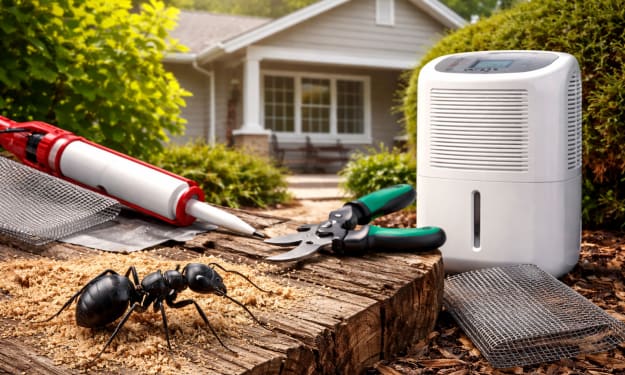
How to Prevent Carpenter Ants from Invading Your Home
Carpenter ants might not carry diseases like some pests, but they can still cause serious trouble if they make themselves comfortable in your home. Unlike termites, carpenter ants don't eat wood, but they do chew through it to create tunnels and nests. Over time, this can weaken the structural integrity of your home, leading to costly repairs.
By Whitney Collinsa day ago in Lifehack
Objects That Stay, Lives That Change: The Human Story Behind Gun Safe Moving in Houston
Some objects in a home are meant to move easily. Chairs are rearranged, decorations change with the seasons, and furniture shifts as life evolves. Other objects, however, are designed to remain still. A gun safe belongs to this second category. Its very purpose is stability, permanence, and resistance. It exists to stay in place, to protect, and to quietly guard what lies within.
By House Doctor7 days ago in Lifehack



Comments
There are no comments for this story
Be the first to respond and start the conversation.