
How to Prevent Carpenter Ants from Invading Your Home
Simple steps to keep carpenter ants from settling in and damaging your home before the problem starts.
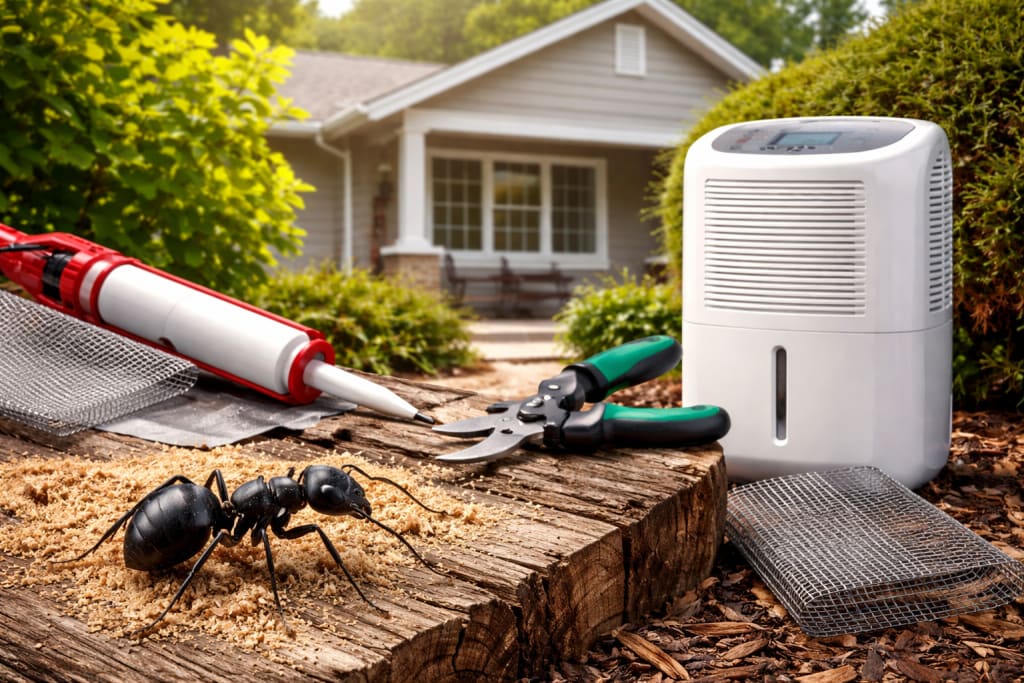
Carpenter ants might not carry diseases like some pests, but they can still cause serious trouble if they make themselves comfortable in your home. Unlike termites, carpenter ants don't eat wood, but they do chew through it to create tunnels and nests. Over time, this can weaken the structural integrity of your home, leading to costly repairs.
The good news? You can prevent a carpenter ant infestation with the right strategies. This blog will walk you through everything you need to know, from spotting early signs to simple habits that keep these destructive ants away. Let’s dive in.
What Are Carpenter Ants?
Carpenter ants are large black or reddish-black ants, usually around half an inch in size. They’re most active during spring and summer and often found in wooded areas. But if they decide your house looks like a cozy nesting spot, that’s when the problems start.
Unlike many ants that come inside for food, carpenter ants are drawn to moisture-damaged wood. They don’t eat it, but they hollow it out to build their nests. That means areas like basements, attics, crawl spaces, and even inside your walls can become prime real estate for them if you're not careful.
Why You Should Be Concerned
Carpenter ants might seem harmless at first. You might see a few scurrying around your kitchen or bathroom and assume they’re just passing through. But where there’s one, there’s usually more.
These ants can quietly chew through beams, flooring, and insulation, creating long tunnels that go unnoticed until real damage is done. By the time you hear faint rustling inside the walls or find piles of sawdust-like material called frass, the colony may already be well established.
So how do you stop them before it gets that far?
1. Eliminate Moisture Around Your Home
Moisture is one of the biggest attractants for carpenter ants. Damp, rotting wood is their favorite nesting material. That’s why leaks, water damage, or poor ventilation can turn your home into an open invitation.
- Check areas like:
- Under sinks
- Behind dishwashers
- Around windows
- Inside basements and crawl spaces
- Attics with poor ventilation
Fix any leaky pipes or faucets as soon as possible. Use dehumidifiers in damp areas and make sure gutters and downspouts are draining water away from your foundation. Also, inspect your roof for leaks that could lead to moisture buildup in the attic.
2. Seal Up Entry Points
Carpenter ants can slip through the tiniest cracks in your home. A small opening around a window, door, or utility pipe can be all they need to get inside.
Walk around your home and check for gaps or holes in:
- Foundation walls
- Window and door frames
- Areas where wires or pipes enter the house
Use caulk, weatherstripping, or foam insulation to seal up any entry points you find. For vents and larger openings, consider using fine mesh screens to keep pests out.
3. Trim Back Trees and Shrubs
If tree branches or shrubs are touching your home, carpenter ants can use them like a bridge to get inside. It’s surprisingly common for infestations to start this way.
Trim back any vegetation so it’s not in direct contact with your siding, roof, or windows. It’s also a good idea to remove dead tree stumps or logs from your yard, as they can be nesting sites for carpenter ants.
4. Store Firewood Properly
If you use firewood, make sure it’s stored at least 20 feet away from your house and off the ground. Stacking firewood directly against your home’s exterior is a major mistake. It provides a dark, moist space where ants love to nest.
Only bring in firewood as needed and inspect it before carrying it inside. You never know what might be hitching a ride.
5. Clean Up Food Sources
Even though carpenter ants prefer to nest in wood, they’ll forage for food just like any other ant species. They’re especially fond of sweets, meats, and pet food.
To reduce temptations:
- Store food in sealed containers
- Wipe down counters and sweep floors regularly
- Take out the trash frequently
- Clean up pet food dishes after feeding time
- Avoid leaving dirty dishes in the sink overnight
Eliminating their food sources won’t stop them from nesting in your walls if conditions are right, but it can help discourage them from moving in or sticking around.
6. Look for Warning Signs
Early detection is one of the best ways to prevent a full-blown infestation. Keep an eye out for:
- Large black ants inside your home, especially in spring
- Piles of sawdust-like material (frass) near wooden structures
- Rustling or faint tapping sounds coming from walls
- Winged ants (swarmers), especially around windows or doors
If you notice any of these signs, it’s worth investigating further or calling in a professional to take a look.
7. Keep Your Home Clutter-Free
Carpenter ants often build satellite nests inside cluttered, undisturbed areas of the home. That means piles of cardboard boxes, old newspapers, and rarely-used items can provide perfect cover.
Declutter storage areas like basements, attics, and garages. Use plastic containers with tight lids instead of cardboard boxes, and make it a habit to clean and reorganize these spaces regularly.
8. Use Natural Deterrents
If you want to take a chemical-free approach to pest prevention, there are a few natural options you can try.
Cinnamon: Sprinkle ground cinnamon along windowsills and baseboards. Ants dislike the strong smell.
Vinegar: Mix equal parts vinegar and water in a spray bottle and use it to wipe down surfaces where ants travel.
Citrus Peels: Place lemon or orange peels near entry points. The citrus oils can disrupt ant trails.
These solutions may not be as powerful as commercial sprays, but they can be part of a larger prevention strategy.
9. Be Proactive with Inspections
If you live in an area where carpenter ants are common, consider scheduling a yearly inspection with a pest control specialist. Even if you don’t see any signs, a trained professional can spot things that the untrained eye might miss.
Early treatment is always cheaper and less stressful than dealing with major repairs down the line.
Final Thoughts
Carpenter ants are more than just a nuisance. Left unchecked, they can cause significant damage to your home’s structure. The key to keeping them out is prevention. By controlling moisture, sealing entry points, keeping your yard tidy, and staying vigilant for warning signs, you can protect your home from a costly infestation.
Remember, the goal isn’t just to kill the ants you see. It’s to make your home an unwelcoming place for ants to live and build nests in the first place.
If you’re ever unsure or think you might have an infestation already, don’t hesitate to call in a professional. The sooner you act, the better.
Stay dry, stay tidy, and keep those carpenter ants outside where they belong.
About the Creator
Keep reading
More stories from Whitney Collins and writers in Lifehack and other communities.
Post‑Show Content Ideas to Maximize Visitor Engagement
You just returned from an awesome trade show or conference, and your booth drew a solid crowd. Now what? The real work begins in the post-show phase. Here’s the secret: your follow-up content can be even more impactful than what happened on the floor. With smart post-show content ideas, you can extend visitor engagement, boost brand awareness, and deepen connections long after the event ends.
By Whitney Collins6 months ago in Journal
Building a New Life After Moving to Harrisburg
When I decided to move to Harrisburg, Pennsylvania, I expected the experience to be mostly practical. I imagined a process defined by logistics, schedules, and organization. I prepared for physical effort, planning, and adjustment to a new environment. What I did not anticipate was how deeply the experience would reshape my understanding of stability, identity, and the meaning of home.
By House Doctor6 days ago in Lifehack
Boundless
A geographical map could take you there. To the places I've been, to the sights I've seen, to the landscapes I've climbed. But no compass could point you in the direction of my memories. To the experiences I've lived, to the happiness I've felt, to the wonder I've held so close to my heart.
By Alyssa Mussoabout 22 hours ago in Writers




Comments
There are no comments for this story
Be the first to respond and start the conversation.