
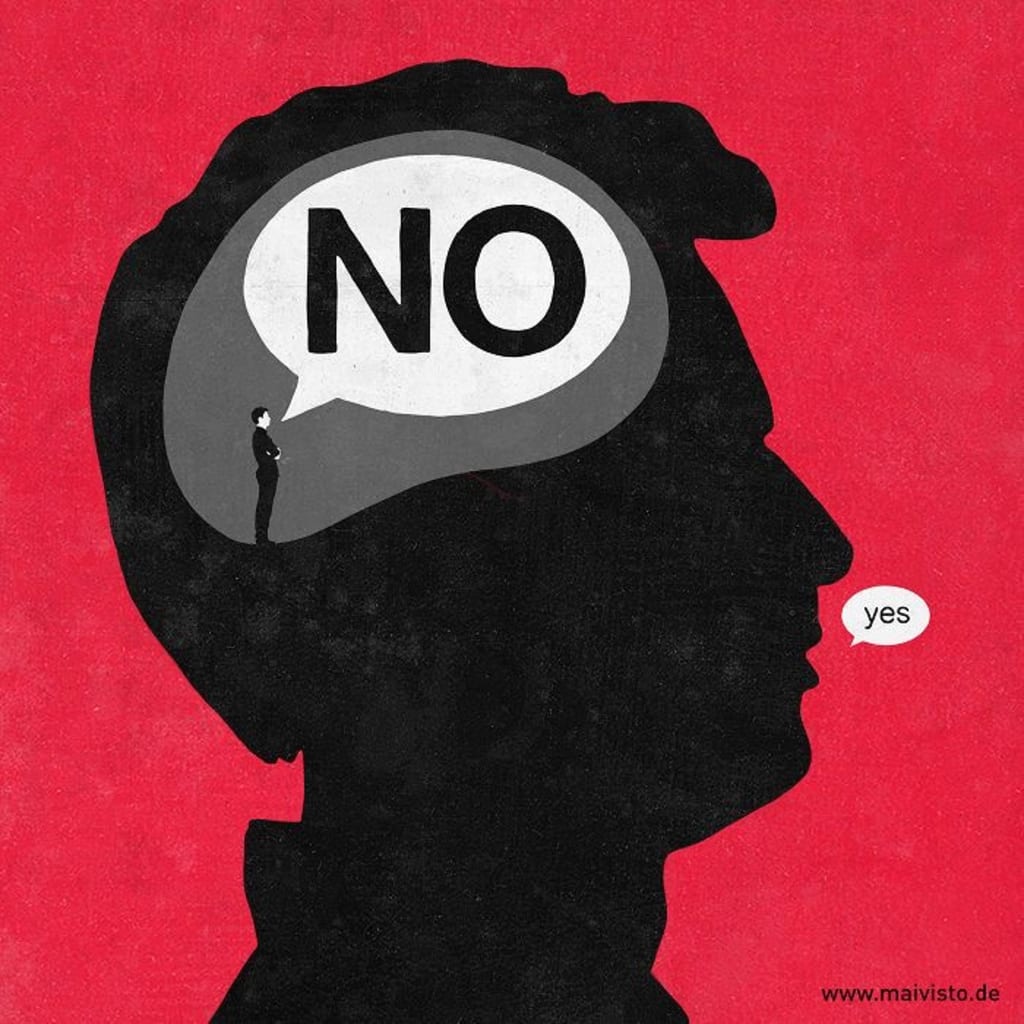
Saying no can be challenging, but it's an important skill to have in order to set boundaries and prioritize your own needs.It’s not a shame saying no.Here are some tips for saying no effectively:
1. Be clear and concise: When saying no, it's best to be direct and straightforward. Use clear and concise language to convey your decision without leaving room for confusion or misinterpretation.
2. Express appreciation: Start by expressing your gratitude or appreciation for the opportunity or request. This shows respect and acknowledges the person's effort or consideration.
3. State your reasons: Provide a brief explanation for your decision. You don't need to provide a lengthy justification, but offering a reason can help the person understand your perspective. Keep it honest, but avoid going into unnecessary details.
4. Offer alternatives (if applicable): If you're unable to fulfill a request, but still want to help or maintain a positive relationship, you can offer alternatives. Suggest other options or suggest someone else who might be able to assist them.
5. Stay firm and confident: It's important to stay firm in your decision and not waver under pressure. Be confident in expressing your boundaries and remember that it's okay to prioritize your own well-being and commitments.
6. Practice assertiveness: Use a calm and assertive tone when saying no. Avoid apologizing excessively or sounding overly defensive. Stand your ground while maintaining a respectful and empathetic approach.
7. Offer an alternative timeframe: If you're unable to say yes immediately, but still want to consider the request, you can offer an alternative timeframe for getting back to the person. This gives you time to think it through and make a well-informed decision.
8. Practice saying no: Saying no can be uncomfortable, especially if you're not used to it. Practice saying no in various situations, either with a friend or in front of a mirror. This will help you become more confident and comfortable with the process.
9. Prioritizing meaningful commitments: By selectively saying no, you can prioritize the commitments and activities that are most meaningful to you. This allows you to invest your time and energy into things that align with your values, passions, and long-term aspirations.
10. Maintaining personal boundaries: Saying no helps you establish and maintain healthy boundaries in your relationships, both personal and professional. It enables you to communicate your limits and ensure that your needs are respected. By saying no, you assert your autonomy and demonstrate self-respect.
11. Enhancing productivity: By saying no to tasks or requests that aren't essential, you free up time and mental space to focus on important projects and responsibilities. This can increase your productivity and effectiveness in areas that truly matter to you.
12.Building self-confidence: Saying no can be empowering. It shows that you value yourself and your priorities, and that you are assertive in expressing your needs. Each time you say no, it reinforces your confidence in making choices that are right for you.
Remember, it's perfectly acceptable to say no when it aligns with your values, priorities, or capacity. Respect your own boundaries and communicate your decisions with clarity and kindness.saying no is not selfish; it's an essential part of self-care and personal growth. It allows you to establish healthy boundaries, stay focused on your goals, and prioritize your well-being. Embrace the motivation to say no when it aligns with your values and helps you lead a more fulfilling life.
About the Creator
Keep reading
More stories from Oye Ahad and writers in Motivation and other communities.
Earnings From Youtube!
Exploring the Landscape of Earning from YouTube Earning from YouTube has transformed from a novel concept to a substantial source of income for content creators. This digital revolution has empowered individuals to monetize their passions, share their expertise, and connect with global audiences. Understanding the intricacies of generating revenue through YouTube involves navigating a complex ecosystem of metrics, algorithms, and user engagement.
By Oye Ahad3 years ago in Motivation
One Hard Thing
Stop me if you’ve heard this one before: You have the number, you know your schedule- you’ve even picked out the perfect day and time to make this appointment. Shoot, you’ve even picked out alternative days and times just in case their schedules can’t accommodate you!
By Taylor Rigsby30 days ago in Motivation
When You Can’t Find The Sunshine, Be The Sunshine
When you begin your healing journey, it's never easy. I've been working on mine since March 8th, 2022, the day I escaped domestic violence. Although it's hard to stay on the healing path sometimes, it's all worth it and was supposed to happen. I have learned new things about myself that I love while also having to face things about myself that made me uncomfortable at first. Some of the past things I did, I started to see how they were not actually good or ok. You start to observe things from a different perspective and learn to respond instead of react. The pain you experience forces you to grow in ways comfort never could. You begin to see things that were right in front of your eyes the whole time, both good and bad.
By Kristine Franklin5 days ago in Motivation
Craft Over Catharsis Challenge Winners
Craft Over Catharsis? What the hell does that even mean? The phrase came out of a curation meeting as a genuine question. We had been noticing that many challenge entries, across prompts, naturally gravitate toward trauma, grief, and personal reckoning. That makes sense. Writing is often cathartic. It's one of the ways we process what we've lived through.
By Vocal Curation Team6 days ago in Resources



Comments (1)
😛