
Why Do Poor People Often Remain Poor
“Poverty is a Condition, Not Destiny”

Why Do Poor People Often Remain Poor?
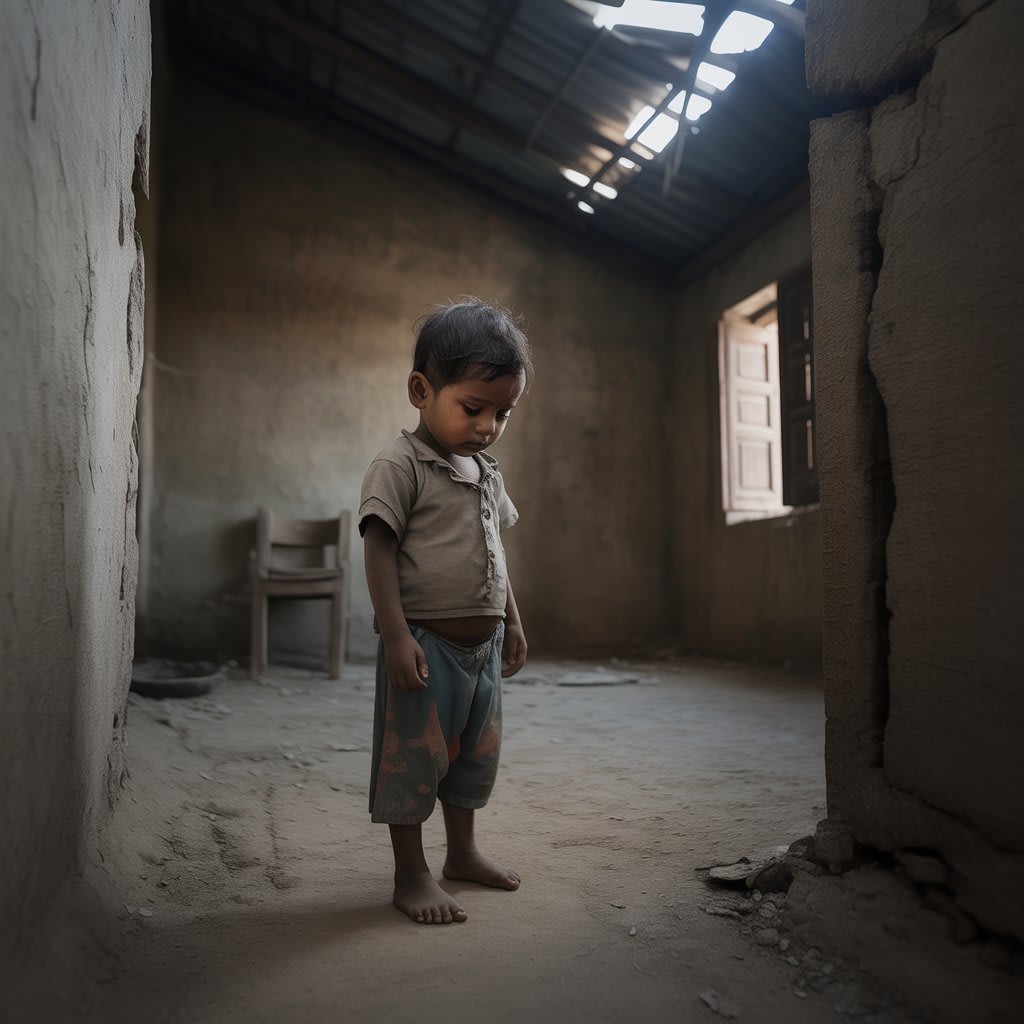
When a child is born into a poor family, the environment they grow up in is very different from that of a child born into a wealthy household. From the very beginning, that child does not receive the same exposure, comfort, or opportunities. They observe their home, their parents, and their surroundings closely, and slowly, all of this begins to shape their mind.
This is human nature. The environment a person grows up in leaves a deep impact on their thinking, habits, and behavior. Over time, a child adapts to that environment. Their way of thinking changes, their habits are formed, and gradually they become used to the life their elders have given them.
This does not mean we should blame the parents. Perhaps they also had limitations. Maybe they never received the environment we wish for our children today. They might have done the best they could with what they had.
However, among these children, there are some who are different.
Some children are not fully shaped by their environment. They do not accept poverty as their identity. They look at their poor father, but they do not want to repeat the same life. Their thinking becomes different. When such a child manages to break free from that environment, they often grow rapidly. Sometimes, they even surpass people who were born into wealth.
The main reason for this is struggle.
That child has seen hardships in life that a wealthy child may never experience. Because of those struggles, once they escape difficult times, they do not stop. As long as they are alive, they keep moving forward. They work harder each day and continue to grow because they never forget their worst days.
Their heart is never satisfied with success. Hard work becomes a lifelong habit, not a temporary phase.
But if we look at the other side, most people remain poor because they are unable to develop these habits. They cannot bear the pressure and mental stress required to change their circumstances. Slowly, a mindset forms within them — a belief that whatever they have is enough, and whatever they do not have is not worth worrying about.
And this mindset, more than poverty itself, becomes the real reason they remain poor.
Understanding and Breaking the Cycle of Poverty
Psychological Reasons Poverty Repeats
Learned Helplessness: Children growing up in poverty often internalize the belief that no matter what they do, their life cannot improve. This mindset limits their ambition.
Fear of Risk: Poverty teaches caution, but extreme caution can prevent taking opportunities that could improve life.
Limited Exposure: Growing up in environments with limited resources restricts knowledge about possibilities like higher education, entrepreneurship, or alternative careers.
Instant Gratification: Living in scarcity may create habits focused on immediate needs rather than long-term planning.
Steps to Change Mindset
Self-awareness: Recognize that poverty is a situation, not your identity. Understand the beliefs that are holding you back.
Education & Skill Development: Learn skills that increase opportunities and independence. Knowledge creates confidence.
Goal Setting: Break down life goals into small, achievable steps. Celebrate progress, no matter how small.
Surround Yourself with Growth-Minded People: Environment shapes thinking. Seek mentors and peers who inspire ambition.
Build Resilience: Accept struggles as part of growth. Each challenge is a lesson, not a permanent barrier.
Final Thoughts: Poverty Is a Condition, Not a Destiny
Poverty is not a life sentence. It is a condition shaped by circumstances, environment, and mindset — but it is not permanent unless we allow it to become permanent. Change does not happen overnight. Breaking the cycle of poverty requires patience, discipline, and consistent effort.
It begins with small mental shifts — believing improvement is possible, choosing learning over comfort, and taking responsibility for personal growth. Even minor daily improvements, when repeated consistently, create powerful long-term results.
Every generation has the power to rewrite its story. A child who grows up in struggle can become the first person in their family to change the financial path for future generations. When one person breaks the cycle, it does not only transform their own life — it transforms the mindset of those who come after them.
In the end, poverty continues not only because of a lack of money, but often because of a lack of belief. And once belief changes, everything else can begin to change too.
About the Creator
anjum blog
I write from real life experiences. My work focuses on mindset, poverty, struggle, and self-growth. Educational articles for people who want to change their lives, not just read stories.
Keep reading
More stories from writers in Motivation and other communities.
One Hard Thing
Stop me if you’ve heard this one before: You have the number, you know your schedule- you’ve even picked out the perfect day and time to make this appointment. Shoot, you’ve even picked out alternative days and times just in case their schedules can’t accommodate you!
By Taylor Rigsby26 days ago in Motivation
Loving Him Meant Losing Myself
In the distant future, where cities floated in the clouds and humans lived alongside robots, there was a young woman named Mia. She was a bright engineer who worked for a big tech company called Dynatech. Mia had always been focused on her career, creating useful inventions for the world. Her life was perfect until she met someone who would change everything: Xander.
By Hamad Afridi 6 days ago in Motivation



Comments
There are no comments for this story
Be the first to respond and start the conversation.