
Core Vaccines for Dogs Explained: What They Protect Against and Why They Matter
A Complete Guide to Essential Canine Vaccinations Every Pet Parent Should Understand

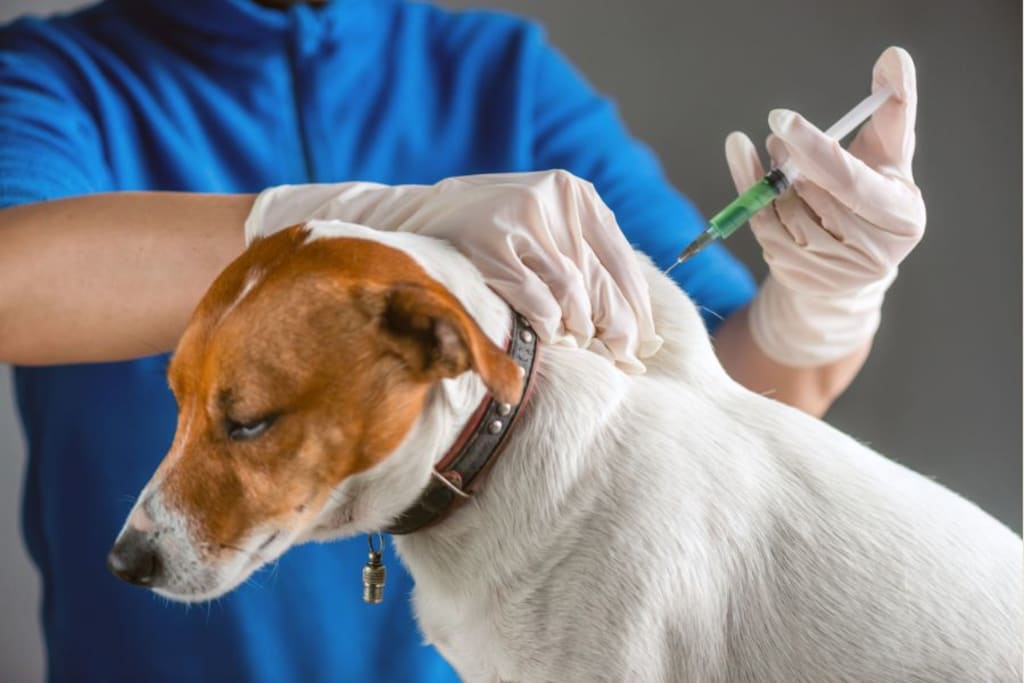
As a responsible pet parent, one of the most important decisions you’ll make for your dog’s long-term health is keeping up with vaccinations. Among the various immunizations available, core vaccines for dogs are considered essential. These vaccines protect against highly contagious, potentially fatal diseases that pose serious risks to dogs of all breeds, ages, and lifestyles.
In this guide, we’ll break down what core vaccines for dogs are, the diseases they prevent, why they matter, and what every dog owner should know about vaccination schedules and safety.
What Are Core Vaccines for Dogs?
Core vaccines for dogs are immunizations recommended for every dog, regardless of lifestyle, location, or environment. Veterinary organizations like the American Veterinary Medical Association (AVMA) and the American Animal Hospital Association (AAHA) classify certain vaccines as “core” because the diseases they prevent are widespread, severe, and often life-threatening.
The primary core vaccines for dogs include:
- Rabies
- Canine Distemper
- Canine Parvovirus
- Canine Adenovirus (Hepatitis)
These vaccines are often administered together in combination shots, commonly referred to as the DHPP or DAPP vaccine.
Diseases Core Vaccines Protect Against
Understanding the dangers of these diseases highlights why core vaccines for dogs are so important.
1. Rabies
Rabies is a fatal viral disease that affects the central nervous system of mammals, including dogs and humans. It spreads through bites from infected animals and is almost always deadly once symptoms appear.
Vaccinating your dog against rabies is not only essential for their health but is also legally required in most states. Since rabies can be transmitted to humans, this vaccine plays a critical role in public health.
2. Canine Distemper
Canine distemper is a highly contagious virus that affects a dog’s respiratory, gastrointestinal, and nervous systems. Symptoms can include fever, coughing, vomiting, seizures, and even paralysis.
Distemper is often fatal, particularly in puppies and unvaccinated dogs. Even survivors may experience permanent neurological damage. Core vaccines for dogs provide strong protection against this devastating disease.
3. Canine Parvovirus (Parvo)
Parvovirus, commonly called “parvo,” is a severe and highly contagious viral infection that primarily affects puppies and unvaccinated dogs. It attacks the gastrointestinal tract, causing severe vomiting, diarrhea (often bloody), dehydration, and rapid weight loss.
Parvo spreads easily through contaminated surfaces, food bowls, and even human clothing. Without prompt and aggressive treatment, it can be fatal. Vaccination is the most effective way to prevent this life-threatening disease.
4. Canine Adenovirus (Hepatitis)
Canine adenovirus type 1 causes infectious canine hepatitis, a disease that affects the liver, kidneys, and eyes. Symptoms can range from mild fever to severe liver damage and death.
Thanks to widespread vaccination, this disease is now much less common. However, it remains a risk in unvaccinated populations, which is why it remains part of the core vaccines for dogs.
Why Core Vaccines for Dogs Matter
1. Protection Against Life-Threatening Illness
Core vaccines shield your dog from diseases that are difficult and expensive to treat—and often fatal. Prevention through vaccination is far safer and more cost-effective than emergency medical care.
2. Community Health and Herd Immunity
When a large percentage of dogs are vaccinated, it reduces the overall spread of contagious diseases in the community. This concept, known as herd immunity, protects vulnerable pets who may be too young or medically unable to receive vaccines.
3. Legal Requirements
Rabies vaccination is required by law in many states and municipalities. Keeping your dog up to date helps you avoid legal complications and ensures compliance with local regulations.
4. Boarding and Travel Requirements
Most boarding facilities, grooming centre's, training programs, and airlines require proof of core vaccines for dogs. Staying current ensures your dog can safely participate in social activities.
Recommended Vaccination Schedule
Puppies typically begin their core vaccine series at 6–8 weeks of age. The DHPP vaccine is administered every 3–4 weeks until the puppy is about 16 weeks old. This series helps build strong immunity during a vulnerable stage of life.
A rabies vaccine is usually given between 12–16 weeks of age, depending on state regulations.
After the initial puppy series:
Booster shots are given one year later.
Adult dogs typically receive boosters every one to three years, depending on the vaccine and your veterinarian’s recommendations.
Your veterinarian may tailor the schedule based on your dog’s health, risk factors, and lifestyle.
Are Core Vaccines Safe?
One of the most common concerns among dog owners is vaccine safety. Fortunately, core vaccines for dogs are extensively tested for safety and effectiveness.
Most dogs experience no side effects. Mild reactions, such as temporary soreness at the injection site, mild fever, or lethargy, may occur but usually resolve within a day or two.
Serious reactions are rare. If your dog shows signs like facial swelling, persistent vomiting, difficulty breathing, or collapse after vaccination, seek veterinary care immediately.
Your veterinarian will assess your dog’s medical history and overall health before administering vaccines to minimize risk.
Addressing Common Myths About Core Vaccines for Dogs
Myth: Indoor dogs don’t need vaccines.
Even indoor dogs can be exposed to viruses through shoes, clothing, open windows, or wildlife. Rabies exposure, in particular, can occur unexpectedly.
Myth: Vaccines cause the diseases they’re meant to prevent.
Core vaccines are designed to stimulate the immune system safely. They do not cause full-blown disease in healthy dogs.
Myth: One round of puppy shots is enough.
Puppies need a series of vaccines to build adequate immunity. Skipping boosters leaves them vulnerable.
Final Thoughts: Protecting Your Dog Starts with Prevention
Core vaccines for dogs are a cornerstone of preventive veterinary care. They protect against serious, contagious, and potentially fatal diseases while supporting overall community health. By staying informed and following your veterinarian’s recommended schedule, you give your dog the best chance at a long, healthy life.
If you’re unsure whether your dog is up to date on vaccinations, schedule a wellness exam with your veterinarian. Preventive care today can spare your pet from suffering tomorrow—and give you peace of mind knowing you’re doing everything possible to protect your furry family member.
About the Creator
Founders Green Animal Hospital
Located in the East 29th Avenue Town Center, Founders Green Animal Hospital has been a trusted part of the Denver community since 2022. Just 20 minutes from downtown.
Keep reading
More stories from Founders Green Animal Hospital and writers in Petlife and other communities.
Beginner-Friendly Breeds: Easiest Dogs to Train for First-Time Owners
Welcoming a dog into your home for the first time is an exciting milestone. Whether you live in an apartment or a suburban home with a yard, finding a breed that suits your lifestyle and experience level is key. Some dogs are more independent, while others require consistent training and structure.
By Founders Green Animal Hospital4 months ago in Petlife
The Summer I Was Chosen by a Northern Mockingbird
During the long, suspended days of the pandemic, a wild mockingbird began visiting my driveway and chose me, again and again. What started as a strange encounter became a brief, meaningful connection that I still carry with me.
By Erica Roberts 29 days ago in Petlife
Non-Core Vaccines for Dogs: Lifestyle-Based Protection Every Pet Parent Should Know
Vaccinations are one of the most effective tools in preventive veterinary medicine. While most pet parents are familiar with required immunizations, many are surprised to learn that not all vaccines are considered essential for every dog. Some are recommended based on lifestyle, geographic location, travel habits, and exposure risk. These are known as non-core vaccines.
By Highlands-Eldorado Veterinary Hospitala day ago in Petlife
Nancy Guthrie: Is a miracle still possible after close to two weeks?
Close to two weeks since Nancy Guthrie's abduction As of February 12, 2026, Nancy Guthrie remains classified as missing for 12 days, but there is no official confirmation that she is deceased. Blood matching Guthrie’s DNA was found on her front porch, indicating she likely suffered an injury during the abduction.
By Cheryl E Preston6 days ago in Geeks



Comments
There are no comments for this story
Be the first to respond and start the conversation.