
Non-Core Vaccines for Dogs: Lifestyle-Based Protection Every Pet Parent Should Know
Understanding Risk-Based Immunizations and When Your Dog May Need Them

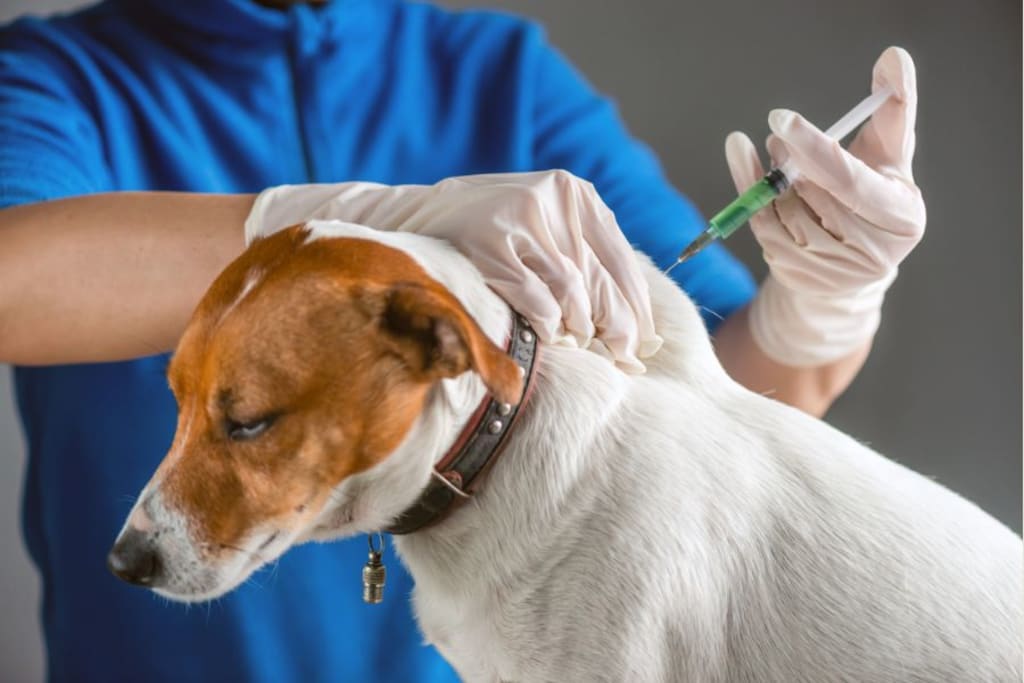
Vaccinations are one of the most effective tools in preventive veterinary medicine. While most pet parents are familiar with required immunizations, many are surprised to learn that not all vaccines are considered essential for every dog. Some are recommended based on lifestyle, geographic location, travel habits, and exposure risk. These are known as non-core vaccines.
If you’ve already learned about core vaccines for dogs, you know they protect against highly contagious and life-threatening diseases that every dog is at risk of encountering. Non-core vaccines, on the other hand, are administered selectively. They provide targeted protection when a dog’s environment or activities increase exposure to certain pathogens.
Understanding these lifestyle-based vaccines helps you make informed decisions about your dog’s health and long-term protection.
What Are Non-Core Vaccines?
Non-core vaccines are immunizations recommended based on individual risk assessment. Veterinarians consider factors such as:
- Boarding or daycare attendance
- Grooming appointments
- Travel frequency
- Urban vs. rural living
- Exposure to wildlife
- Contact with other dogs
Local disease prevalence
These vaccines are not automatically given to every dog, but they can be extremely important in the right circumstances.
Common Non-Core Vaccines for Dogs
Here are the most commonly recommended non-core vaccines and when they may be necessary:
1. Bordetella (Kennel Cough)
Bordetella bronchiseptica is a primary cause of canine infectious respiratory disease complex, commonly known as kennel cough. This highly contagious illness spreads quickly in environments where dogs are in close contact.
Dogs who may need it:
- Boarding facility visitors
- Dog daycare attendees
- Grooming salon clients
- Dog park regulars
- Dogs attending training classes
Symptoms include coughing, sneezing, nasal discharge, and mild fever. While often mild, kennel cough can become serious in puppies or senior dogs.
2. Canine Influenza (Dog Flu)
Canine influenza is a highly contagious respiratory virus that spreads through respiratory droplets, shared bowls, toys, or close contact.
Dogs who may benefit:
- Social dogs
- Frequent travelers
- Boarding or daycare dogs
- Dogs in outbreak-prone regions
Dog flu can cause coughing, lethargy, fever, and in severe cases, pneumonia. Vaccination helps reduce severity and spread.
3. Leptospirosis
Leptospirosis is a bacterial infection that affects the liver and kidneys. It spreads through contact with contaminated water, soil, or wildlife urine.
Higher-risk dogs include:
- Outdoor adventurers
- Hiking or camping companions
- Farm dogs
- Dogs living near wildlife or standing water
Leptospirosis is particularly important because it is zoonotic, meaning it can spread from dogs to humans.
4. Lyme Disease
Lyme disease is transmitted through ticks infected with Borrelia burgdorferi. It is most prevalent in wooded or grassy regions with high tick populations.
Dogs at risk:
- Outdoor dogs
- Hunting dogs
- Dogs in tick-endemic regions
- Dogs frequently hiking or camping
Symptoms may include joint pain, fever, lethargy, and kidney complications if untreated.
5. Rattlesnake Vaccine (Region-Specific)
In certain parts of the United States where rattlesnakes are common, a rattlesnake vaccine may be recommended.
Recommended for:
- Dogs in desert or southwestern regions
- Hiking or trail dogs
- Ranch or rural dogs
This vaccine does not prevent a bite but may reduce the severity of symptoms, buying valuable time for emergency treatment.
How Veterinarians Determine What’s Needed
Choosing non-core vaccines isn’t a one-size-fits-all decision. Your veterinarian will evaluate:
- Age and overall health
- Breed predispositions
- Travel plans
- Local disease outbreaks
- Boarding requirements
- Lifestyle habits
For example, a city apartment dog who rarely leaves home may not need Lyme vaccination, while a hiking companion in a wooded region likely would.
This individualized approach ensures your dog receives protection without unnecessary medical interventions.
Are Non-Core Vaccines Safe?
Modern veterinary vaccines undergo extensive testing to ensure safety and effectiveness. Side effects are generally mild and may include:
- Temporary soreness at injection site
- Mild lethargy
- Low-grade fever
- Reduced appetite for 24 hours
Serious reactions are rare. If your dog has a history of vaccine sensitivity, your veterinarian may adjust scheduling, pre-medicate, or space out vaccinations.
The benefits of protection typically outweigh the minimal risks, especially for dogs in high-exposure environments.
When Should Non-Core Vaccines Be Given?
Vaccination timing varies depending on the vaccine type and your dog’s age. Puppies may start certain non-core vaccines as early as 8–12 weeks if risk factors are present. Adult dogs may receive them annually or every few years depending on veterinary guidelines and risk assessment.
For boarding facilities, Bordetella is often required annually or even every six months. Consistency is key. Missing boosters can reduce effectiveness and leave your dog vulnerable.
The Role of Lifestyle in Preventive Care
Your dog’s daily routine plays a major role in determining vaccination needs. Ask yourself:
- Does my dog socialize frequently?
- Do we travel often?
- Do we hike or camp?
- Is my area prone to ticks or wildlife exposure?
- Do I use boarding or daycare services?
Even seasonal changes can alter risk levels. For example, tick exposure increases in warmer months, making preventive discussions more important.
Lifestyle evolves over time. A dog who once stayed home may later attend daycare, travel cross-country, or begin outdoor adventures. Vaccine needs should be reassessed annually.
The Bigger Picture: Prevention Over Treatment
Treating infectious diseases can be costly, emotionally draining, and sometimes life-threatening. Preventive vaccination is generally far more affordable and safer than managing severe illness.
Beyond protecting your own dog, vaccination also supports community health. When enough dogs are immunized, disease transmission rates drop, helping protect vulnerable pets such as puppies, seniors, or immune-compromised animals.
Preventive care is not about over-vaccination—it’s about strategic protection.
Final Thoughts
Non-core vaccines provide customized protection tailored to your dog’s lifestyle, environment, and exposure risks. They are not automatically required, but they can be essential depending on how and where your dog lives.
The best approach is an open discussion with your veterinarian. Share your dog’s daily activities, travel plans, and social habits. Together, you can create a vaccination plan that offers the right level of protection without unnecessary treatments.
Every dog is unique. Their healthcare plan should be too.
About the Creator
Highlands-Eldorado Veterinary Hospital
Dominion Valley Animal Hospital is proud to serve the dogs and cats, and surrounding areas with expert, compassionate care. As a fully AAHA-accredited animal hospital near Haymarket, VA.
Keep reading
More stories from Highlands-Eldorado Veterinary Hospital and writers in Petlife and other communities.
Male vs Female Cats: Do They Grow at Different Rates?
Cats may look similar during their early kitten months, but as they grow, many pet parents begin to notice differences—especially between male and female cats. One of the most common questions veterinarians hear is: Do male and female cats grow at different rates?
By Highlands-Eldorado Veterinary Hospital2 months ago in Petlife
The Summer I Was Chosen by a Northern Mockingbird
During the long, suspended days of the pandemic, a wild mockingbird began visiting my driveway and chose me, again and again. What started as a strange encounter became a brief, meaningful connection that I still carry with me.
By Erica Roberts 29 days ago in Petlife
Massachusetts ESA Law Explained (2026): Documentation Standards and Housing Protections
If you live in Massachusetts and rely on an emotional support animal, understanding your legal rights in 2026 is essential. Tenants and housing providers across the state frequently misunderstand what is required, what is allowed, and what protections actually exist under current law. This guide breaks down Massachusetts ESA law from the ground up, covering documentation standards, the reasonable accommodation process, what landlords can and cannot do, and how to make sure your rights stay protected.
By Robert Barrettabout 7 hours ago in Petlife


Comments
There are no comments for this story
Be the first to respond and start the conversation.