
Dogs that are overweight have much higher ocular pressure.
How fluid is lost from the eyes
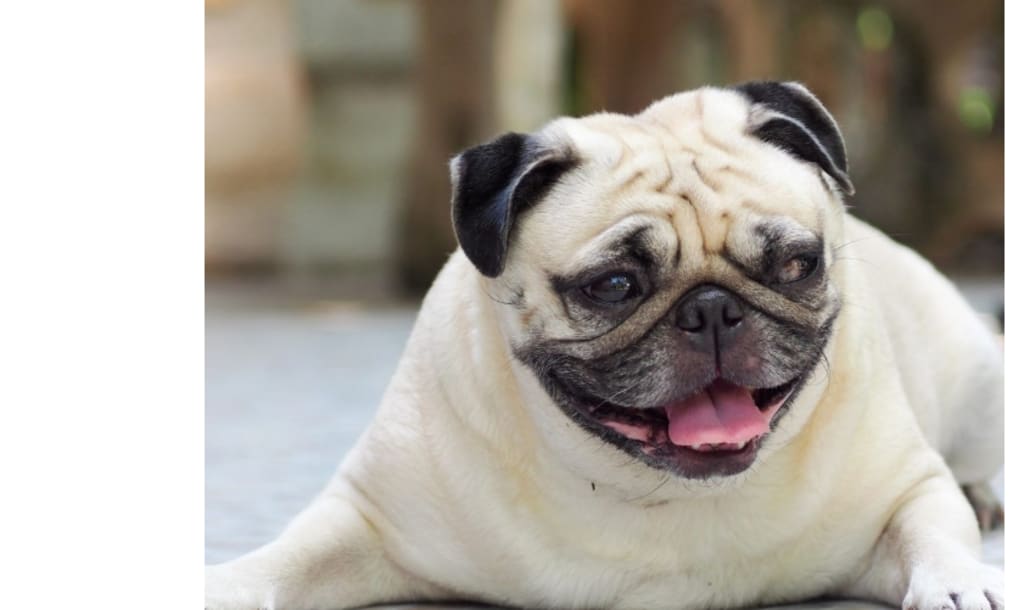
According to a recent study, dogs that are overweight have far higher ocular pressure than dogs that are thin. This disparity brings normally healthy animals closer to levels that have long been associated with diseases that compromise vision.
Eye pressure measurements in a controlled study of 40 healthy dogs showed a distinct difference between lean and overweight canines.
Dr. Oren Pe'er of the Hebrew University of Jerusalem (HUJI) showed that bigger canines regularly had higher blood pressure readings than their thin counterparts by comparing those measurements.
There was a distinct and steady difference between the two groups, with the heavier dogs typically displaying eye pressure readings close to the upper end of the typical range and the thin dogs staying substantially lower.
The bigger dogs congregated far closer to the top boundary, raising concerns about the potential long-term effects of extra weight on eye health, even though both groups stayed within the recognised range of 10 to 25 millimetres of mercury (mmHg).
Numbers close to the edge
Intraocular pressure, or the push from fluid inside the eyeball, remains within a small band inside every healthy eye. A handheld meter is used by veterinarians to check it, and even a few more points might put stress on sensitive tissues.
Lean and heavy dogs were separated by a wide spread, and this difference remained noticeable during routine inspections. Higher readings suggest that excess fat may alter the way the eye drains fluid, but they do not confirm eye disease.
How fluid is lost from the eyes
The front of the eye is cleaned by clear fluid, and continuous drainage prevents pressure from rising hourly. A disorder called glaucoma, in which increasing pressure harms the optic nerve and endangers vision, can arise when this equilibrium is upset.
Vein pressure might rise due to excess fat surrounding the eye socket, which reduces the amount of space available for fluid to escape. Obesity alters hormones and blood fats in addition to the basic pressure on tissues, which might impact the behaviour of the veins in the eye.
Body chemistry is altered by fat.
According to a 2017 open-access review, body fat is active tissue that releases hormones, and obesity in dogs is prevalent. Dog blood tests revealed that the overweight group had greater levels of triglycerides, which are blood-circulating lipids.
Leptin, a hormone produced by fat cells, also increased, and both indicators initially showed elevated ocular pressure. Fatness itself remained central because those blood signals could no longer explain pressure after the research took out general body condition.
Breeds that are more vulnerable
A slight increase in pressure may be more important for certain dogs than for others because some dogs are born with drainage issues. According to Pe'er, "in dogs who are at risk for glaucoma, obesity may be a modifiable risk factor."
The pattern was still present in healthy dogs with no ocular conditions, indicating that pressure increased even before glaucoma was diagnosed. Particularly for dogs that are already being watched for ocular issues, follow-up studies must assess whether weight loss lowers pressure.
The significance of the bodily condition score
Many clinics assess belly, waist, and rib fat by touch using a one-page chart. The rating, which is a nine-point scale ranging from too thin to obese, is referred to by veterinarians as a body condition score.
An optimal shape is indicated by a score of four or five, but a score of six or higher indicates that the ribs are covered in excess fat. Even little advances had a quantifiable cost because eye pressure increased by less than two units for every point increase on that scale.
The majority of a dog's calorie balance is established by food amounts and treats, so little adjustments can prevent weight gain. Owners can monitor eye readings and body condition scores while aiming for a consistent loss with a veterinarian's plan.
Reduced fat may facilitate fluid drainage inside the eye by lowering vascular pressure and altering hormone levels.
Veterinarians view the result as a warning rather than a guarantee because eye pressure has not yet been assessed in weight-loss experiments.
Data limitations
Results may vary elsewhere because just a small number of dogs participated in the study and they were all from the same academic community.
The results cannot demonstrate that fat was the source of the increase because the scientists evaluated both weight and pressure simultaneously. Other explanations were left open because the work did not include sophisticated scans of fat distribution or thorough inspections of drainage angles.
Future research at HUJI and elsewhere should track dogs over time to see if, in reality, losing weight reduces pressure.
What veterinarians might alter
Weight is already included in annual physicals, but as physical condition improves, eye pressure may need further examination. In only a few seconds, a fast pressure reading can identify dogs whose numbers are elevated before their owners become aware of any symptoms.
As part of long-term vision care, weight counselling could be added to routine examinations for dogs with a family history of eye disease. These findings give owners an additional incentive to take early action by placing body condition on the same checklist as eye checkups.
In healthy dogs, carrying extra weight increases ocular strain, and the biology suggests that owners can affect drainage changes.
Although more research will be needed to ascertain whether weight loss might actually protect dogs' vision, closer monitoring of body condition and eye pressure may enable vets to take action sooner.
About the Creator
Keep reading
More stories from Francis Dami and writers in Petlife and other communities.
Birds around the world are stressed by human noise, but humans can assist.
Birds don't simply tolerate human cacophony. According to a recent investigation, the noises of construction, traffic, and other human activities are altering the behaviour, stress levels, and even reproductive success of birds.
By Francis Damia day ago in Petlife
The Summer I Was Chosen by a Northern Mockingbird
During the long, suspended days of the pandemic, a wild mockingbird began visiting my driveway and chose me, again and again. What started as a strange encounter became a brief, meaningful connection that I still carry with me.
By Erica Roberts 29 days ago in Petlife
Iran's Stray Dogs
Stray dogs on the edge of a city are the visible part of a hidden system. You can usually trace that system with boring inputs: food access, abandonment pressure, veterinary reach, and the incentives created by enforcement. When those inputs are misaligned, dogs become the output. People then argue about the dogs instead of the machinery that keeps generating them.
By Dr. Mozelle Martin4 days ago in Petlife
Draft Deleting? Don't Do It!
Today, I had a little time. I decided that I would have a look at the drafts that I have on Vocal. This is part of a long-term wish to have everything I've written on paper rather than virtually. I've not looked at them for weeks and something drew me to them, just to browse and see what was there.
By Rachel Deeming3 days ago in Writers


Comments
There are no comments for this story
Be the first to respond and start the conversation.