
How to Transition Your Dog to a New Food Without Upset Stomach
A Step-by-Step Guide to Switching Dog Food Safely and Supporting Healthy Digestion
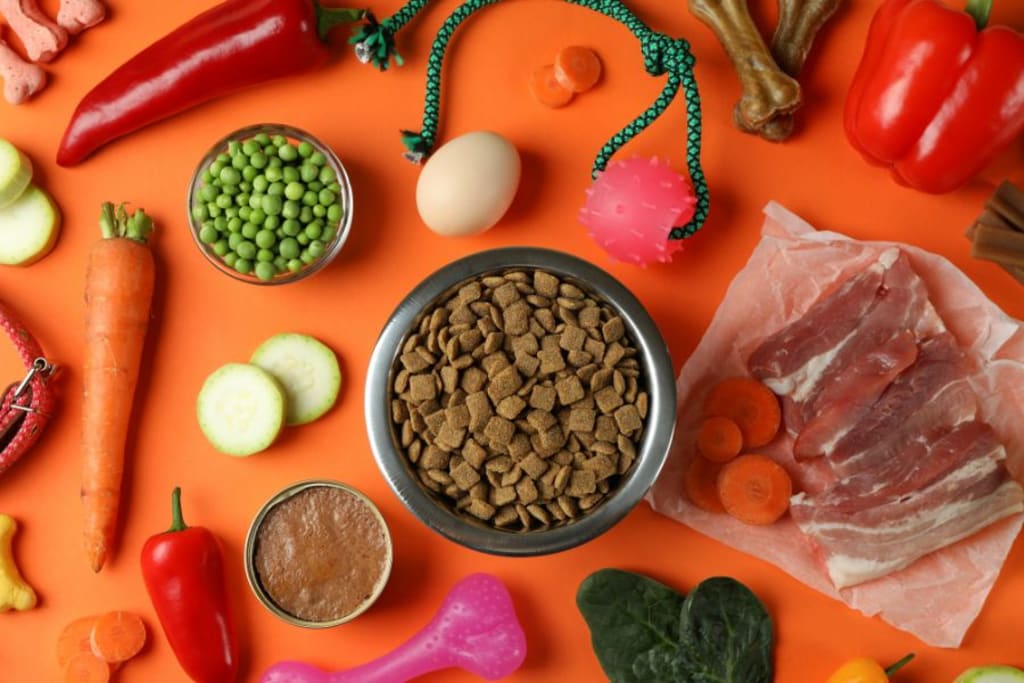
Switching your dog’s food can feel stressful—especially if your pup has a sensitive stomach or a known chicken allergy. Many pet parents searching for the right dog food for chicken allergies worry about digestive upset, itching, vomiting, or diarrhea during the transition.
The good news? With the right approach, you can safely change your dog’s diet without causing stomach trouble.
This guide will walk you through exactly how to transition your dog to a new food smoothly, while keeping their digestive system calm and healthy.
Why a Gradual Transition Matters
Dogs have sensitive digestive systems. A sudden change in food can disrupt the balance of gut bacteria, leading to:
- Diarrhea
- Vomiting
- Gas
- Loss of appetite
- Stomach discomfort
For dogs with chicken allergies, the stakes are even higher. Their immune system reacts negatively to chicken protein, which can cause skin irritation, ear infections, paw licking, and digestive issues. Moving to a safe, chicken-free diet requires patience and proper planning.
Step 1: Choose the Right Chicken-Free Food
Before starting the transition, make sure the new food truly contains no chicken ingredients. Many dog foods labeled as “beef” or “lamb” may still include chicken fat or chicken meal.
Look for:
- Limited ingredient diets
- Novel proteins like salmon, duck, venison, or turkey (if tolerated)
- Clearly labeled “chicken-free” formulas
- Foods recommended by your veterinarian
Always read the ingredient list carefully. Even small amounts of chicken can trigger allergic reactions in sensitive dogs.
Step 2: Follow the 7–10 Day Transition Rule
The golden rule of switching dog food is gradual mixing over 7–10 days. Here’s a safe transition schedule:
Days 1–2:
75% old food + 25% new chicken-free food
Days 3–4:
50% old food + 50% new food
Days 5–6:
25% old food + 75% new food
Days 7–10:
100% new food
If your dog has a very sensitive stomach, extend the process to 14 days. Slow transitions reduce the risk of diarrhea and help the gut adapt to new ingredients.
Step 3: Monitor for Allergy or Digestive Reactions
Since you’re switching due to chicken allergies, monitor your dog closely during the transition.
Watch for improvements such as:
- Less itching
- Reduced paw licking
- Cleaner ears
- Firmer stools
Also monitor for negative reactions like:
- Vomiting
- Loose stools
- Excessive scratching
- Red skin
If symptoms worsen, consult your veterinarian. Sometimes dogs are allergic to multiple proteins, not just chicken.
Step 4: Support Gut Health During the Switch
To prevent stomach upset, consider supporting your dog’s digestive system.
1. Probiotics
Canine probiotics help balance gut bacteria and reduce diarrhea during diet changes.
2. Plain Pumpkin
A small amount of plain canned pumpkin (not pie filling) can help regulate stools.
3. Smaller, More Frequent Meals
Instead of two large meals, divide food into three smaller portions during the transition. This reduces strain on the digestive system.
Step 5: Avoid Extra Treats During Transition
While switching foods, keep your dog’s diet simple. Avoid:
- New treats
- Table scraps
- Flavored medications (that may contain chicken)
- Rawhide chews
Even treats labeled as “beef” can contain chicken by-products. Stick to single-ingredient treats that match the new protein source, such as freeze-dried salmon or sweet potato chews.
Consistency is key when introducing a new dog food for chicken allergies.
Step 6: Be Patient with Picky Eaters
Some dogs resist new food at first. If your dog is hesitant:
- Warm the food slightly to enhance aroma
- Add a small amount of warm water
- Mix in a spoonful of wet food (chicken-free)
Avoid switching back to the old food unless medically necessary, as this can confuse your dog and prolong the transition.
Step 7: Understand That Improvement Takes Time
When switching to a chicken-free diet due to allergies, improvements may take several weeks.
Skin and coat improvements may appear after:
3–4 weeks for reduced itching
6–8 weeks for full skin recovery
Digestive improvements often show within 1–2 weeks. Stay consistent and avoid frequent food changes unless directed by your vet.
Common Mistakes to Avoid
❌ Switching Too Quickly
A sudden change is the most common cause of digestive upset.
❌ Not Checking Hidden Chicken Ingredients
Chicken fat, chicken broth, and poultry meal can still trigger allergies.
❌ Giving Too Many Supplements at Once
Introduce only one new supplement at a time.
❌ Ignoring Persistent Symptoms
If diarrhea lasts more than 48 hours, contact your veterinarian.
When to See a Veterinarian
Consult your vet if your dog experiences:
- Severe vomiting
- Bloody diarrhea
- Extreme lethargy
- Rapid weight loss
Ongoing itching despite diet change
In some cases, your veterinarian may recommend a prescription hydrolyzed protein diet for severe allergies.
Final Thoughts
Transitioning your dog to a new diet doesn’t have to result in an upset stomach—especially when switching to a safe dog food for chicken allergies. By choosing the right food, transitioning slowly, monitoring symptoms, and supporting digestive health, you can help your dog adjust comfortably and safely.
Remember: patience and consistency are your best tools. A careful transition not only protects your dog’s stomach but also sets the foundation for long-term allergy relief and better overall health.
If done correctly, your dog will soon enjoy their new chicken-free diet—itch-free, comfortable, and thriving.
About the Creator
Keep reading
More stories from Overpeck Creek Animal Hospital and writers in Petlife and other communities.
Caring for Aging Pets: A Complete Guide
As our beloved pets grow older, their needs change—just like ours do. Senior pets often require extra care, patience, and attention to maintain their quality of life. Whether you have a Gray-muzzled dog or a slower-moving cat, understanding how to care for aging pets can help them stay comfortable, healthy, and happy in their golden years.
By Overpeck Creek Animal Hospital2 months ago in Petlife
The Summer I Was Chosen by a Northern Mockingbird
During the long, suspended days of the pandemic, a wild mockingbird began visiting my driveway and chose me, again and again. What started as a strange encounter became a brief, meaningful connection that I still carry with me.
By Erica Roberts about a month ago in Petlife
Dogs that are overweight have much higher ocular pressure.
According to a recent study, dogs that are overweight have far higher ocular pressure than dogs that are thin. This disparity brings normally healthy animals closer to levels that have long been associated with diseases that compromise vision.
By Francis Dami2 days ago in Petlife



Comments
There are no comments for this story
Be the first to respond and start the conversation.