wild animals
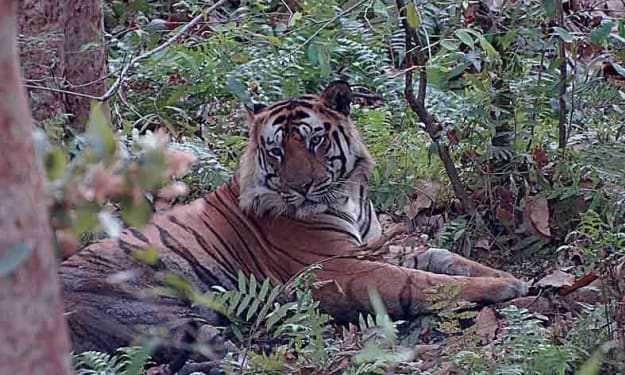
Animals the way nature intended it; explore the world of wild animals and the controversies surrounding domestication and hunting of feral beasts.
Animals in Zoos
Animals living in zoos can be a good thing depending on the circumstances. They can be good for educational purposes. It gives children and families the opportunity to see how these amazing exotic creatures live and react to their surroundings. There have been many studies to back up the fact that people learn from seeing these animals in action, but there is much controversy in the way that it is done.
By sierra davis4 years ago in Petlife
Whale “Sanctuaries” Over Right Whales?
On October 29th, 2021, the anti-zoo group known as “The Whale Sanctuary Project” (WSP) announced the opening of its visitor center in Sherbrooke, Nova Scotia. The group claims the public wants to see zoo and aquarium-housed cetaceans live in sea pen-based “sanctuaries” rather than in pool-based inland facilities or in lagoon facilities not operating under a donation/tax-payer income model. The visitor center is a small in-house exhibit containing anti-zoo propaganda that discourages people from visiting modern zoos and aquariums that display cetaceans (The Canadian Press, 2021).
By Jenna Deedy4 years ago in Petlife
Are Dolphins Smarter Than Humans?
While dolphins have advanced communication skills and cognitive abilities, they do not have the same level of intelligence as humans. Like dogs, dolphins use gestures and human gestures to detect distant objects. As humans, dolphins can use their environment to their advantage. For example, a group of dolphins in Australia carried sponges in their shops to protect their blindfolds from coral reefs.
By Dipan Pathak4 years ago in Petlife
Strangest Looking Creatures
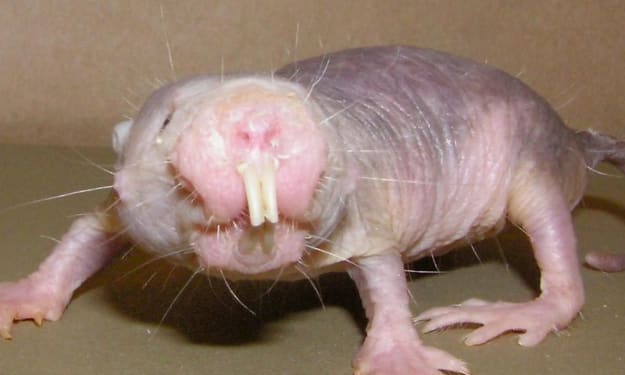
Mammals Naked Mole-Rat The naked mole-rat is an animal that has no fur and is nearly blind. These animals live underground in colonies similar to insects. Their nearest relatives are porcupines, chinchillas, and guinea pigs. Not completely bald they have about 100 fine hairs on their bodies acting like whiskers to help them get around. The hairs found between their toes help the naked mole rats to move soil between them while they are digging tunnels. They are among the longest living of all rodents and can live for nearly 30 years and have an amazing resistance to cancer.
By Rasma Raisters4 years ago in Petlife
Best ways to save amphibian species which are presently at risk of extinction
This week, the Unified Countries Panel on Biodiversity declared that human effects are undermining the endurance of almost 1,000,000 species, including 40% of known species, or around 3,200 species. Another review distributed May 6 in the diary Current Science utilizes measurable examination. anticipating that 1,100 types of amphibian and sea-going creatures from the Global Association for Protection of Nature are classified as "information shortage", which decides the condition of preservation of plant and creature land. On the off chance that a worldwide temperature alteration is communicated to all undisclosed classifications, it recommends that no less than 33% of all species are imperiled, implying that 40% of all water species on the planet are compromised with termination (Table 1).
By Shreya Poudel4 years ago in Petlife
The Long Journey
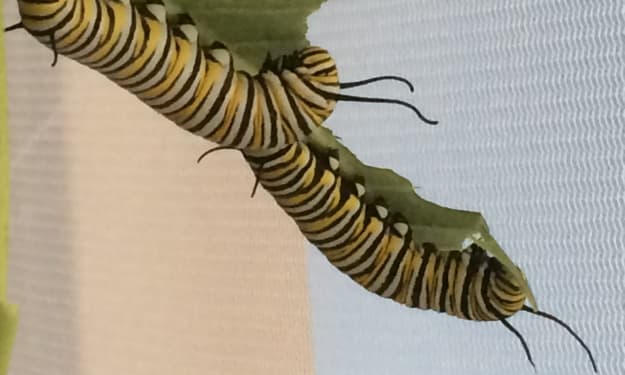
I have empty nest syndrome. I miss my little flutters. Last year, during the pandemic lockdown, I spent more and more time in my garden. I graduated college with a biology degree, though my career has more focused on geology and metallurgy than the organics in the system. Walking among the plants three generations of my family planted gave me a good respite from the constant reminders of mortality.
By Meredith Harmon4 years ago in Petlife
What Budgerigar Birds Experts Don't Want You To Know!
The budgerigar, also known as the for the use of all parakeet or case parakeet, is a tiny, drawn out-tailed, sperm-corrosive poll usually nicknamed the budgie or in American English people, the parakeet. Budgies are the only assemblage in the group Melopsittacus. Naturally, the assemblage is virid and fulvid with swarthy, scalloped markings on the nape, back, and wings. Budgies are bred in confinement with the coloring of dejection, whites, jaundice, greys, and even with tiny crests. Juveniles and chicks are monomorphic, while adults are told apart by their wax coloring and their manner.
By Mohammad Zahidul Islam4 years ago in Petlife
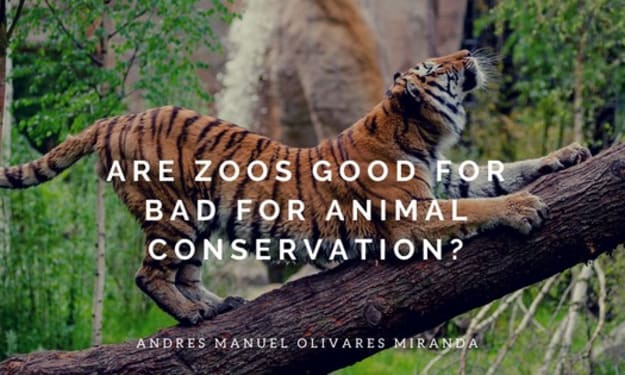
Zoos are sometimes seen as necessary but not poor alternatives to a natural environment
Auckland Zoo, for example, has several breeding programs that allow animals to mate and reproduce. On the other hand, many believe that the conservation of wildlife in zoos is a way to preserve many endangered species. However, there is a debate between people who do not want zoos and their loved ones, and most of them are against zoos because the animals are not healthy enough to be in them and the zoos themselves are not healthy.
By Sonia Shrestha 4 years ago in Petlife