
The War on Kratom: Who’s Really Behind the Backlash?
Uncovering the Truth Behind the Opposition to This Popular Herb

Understanding Kratom and Its Controversial Status
Kratom is a natural herb from Southeast Asia. People use it for pain relief, anxiety, and energy boosts. Recently, kratom faced a lot of criticism and negative media attention. So, what's behind this sudden backlash? Many argue the herb has significant benefits, yet others insist it carries hidden dangers.
The controversy around kratom isn't new. It intensified over the past decade as popularity soared in the West. Kratom is now under scrutiny from regulators, lawmakers, and health officials. But are their concerns justified, or is there another motive driving this battle?
Big Pharma’s Role in the Kratom Debate
One theory suggests big pharmaceutical companies fuel the kratom backlash. These corporations profit from selling painkillers and antidepressants. Kratom offers a natural, affordable alternative, threatening these profits.
Pharmaceutical companies spend billions lobbying politicians. They aim to maintain their market dominance by limiting alternative treatments like kratom. This lobbying influences regulations and public perception, creating hurdles for kratom advocates and consumers.
Regulatory Agencies and Their Stance
Regulatory bodies such as the FDA and DEA regularly issue warnings about kratom. They highlight potential side effects and question its safety. However, the research these agencies cite often lacks depth and comprehensive clinical trials.
Critics argue that regulatory agencies rely on limited data or anecdotal evidence to discourage kratom use. Advocates say more thorough research would likely demonstrate kratom's safety and effectiveness. So, why do regulators remain hesitant to explore kratom further?
The Media’s Influence on Kratom’s Reputation
Media coverage significantly shapes public perception of kratom. Headlines about kratom overdoses or deaths frequently appear, but often, these stories don't mention other substances involved. The sensationalized stories attract clicks but misrepresent kratom’s actual risks.
Positive stories about kratom users successfully managing chronic pain or addiction are rare. This imbalance skews public opinion against kratom. Readers unfamiliar with kratom may form opinions based solely on negative reporting.
Misconceptions and Misinformation About Kratom
Many misconceptions surround kratom. Some believe it is dangerously addictive, similar to opioids. However, studies indicate that kratom’s addictive potential is significantly lower.
Another misconception is that kratom regularly causes severe side effects. While adverse effects can occur, they are generally mild, like nausea or dizziness, and usually result from misuse or high doses. Responsible use greatly reduces these risks.
Lawmakers and Legislative Action Against Kratom
Several states and cities attempted to ban kratom. Lawmakers often act based on pressure from concerned constituents or misleading information from interest groups. Frequently, legislators lack accurate information and understanding of kratom’s potential benefits.
Efforts to ban kratom typically stem from isolated negative incidents or media reports. Advocates urge lawmakers to consider comprehensive studies and user testimonies before deciding on bans. Yet, misinformation continues to influence legislative decisions negatively.
The Kratom Community’s Advocacy Efforts
Despite the backlash, the kratom community remains resilient. Advocacy groups actively educate the public, lawmakers, and health officials about kratom’s benefits. They share personal success stories, scientific research, and expert opinions.
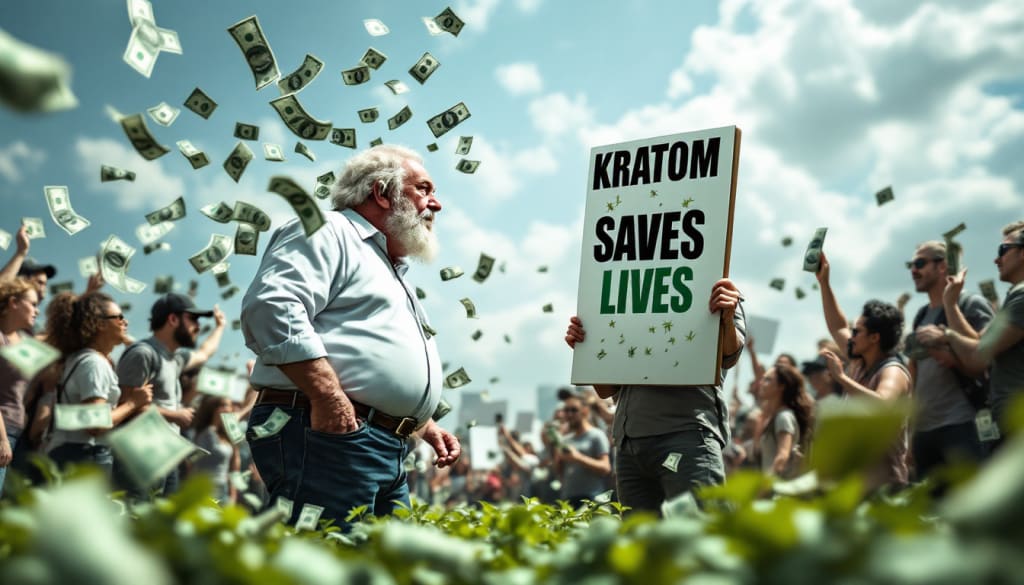
These advocates organize petitions, rallies, and informational events. Their goal is to shift public perception and encourage fair, research-based legislation. Their efforts highlight the need for balanced dialogue regarding kratom.
The Scientific Community’s Standpoint on Kratom
The scientific community remains divided on kratom. Some researchers see promise in kratom for managing pain, depression, and opioid withdrawal. Preliminary studies indicate kratom’s alkaloids interact positively with certain brain receptors.
Still, other researchers demand caution due to limited long-term studies. The scientific consensus is clear: more thorough, controlled studies are essential to determine kratom’s true risks and benefits. Until then, uncertainty fuels continued controversy.
Economic Implications of Kratom’s Acceptance
Kratom represents significant economic potential. Its popularity supports thousands of jobs, from farming in Southeast Asia to retail shops across the U.S. Banning kratom would negatively affect many small businesses and communities.
Conversely, regulating kratom effectively could boost local economies, create jobs, and generate tax revenue. Balancing regulation and economic growth is crucial, yet overlooked amid current controversies.
What’s the Real Motive Behind the War on Kratom?
Ultimately, the backlash against kratom seems driven by multiple factors. Pharmaceutical profits, regulatory caution, media sensationalism, and misinformation all contribute. Unraveling this complex situation requires clear-headed discussions based on facts, not fear.
The future of kratom remains uncertain. However, as awareness grows, so does the pushback against misinformation. More balanced reporting, research, and advocacy efforts can shift the narrative toward a truthful understanding of kratom’s role in health and wellness.
What will be the Fate of Kratom?
If the big pharma gets their way, it will be banned however it looks like that is not likely to happen. The FDA planned on making it a controlled substance but that idea was squashed quickly due to public backlash.
There is a political aspect to this situation as well. Thousands of people use Kratom to help curb withdrawal symptoms from heroin use. What do you think would happen if all of a sudden, that natural help was no longer there?
Big Pharma would love it. That would mean they would sell a lot more Suboxone and Methadone. It would also be political suicide because of the effect it would have on the war on drugs.
What's the Solution?
The solution is education, continued studies and responsible regulations. Most of the big Kratom providers like Choice Kratom even support Kratom regulation. There are no downsides when it comes to age restrictions, proper labeling and lab-testing.
Alcohol is regulated for everyone's safety. Kratom should be regulated as well.
References
About the Creator
Keep reading
More stories from writers in Potent and other communities.
Feelings Never Die
It is Valentine's Day again, and it bought back memories that were over fifty years old. It bought me back to 1971, and I woke up and I knew my baby was due today. I was big and pregnant, and I felt like I was about to burst wide open. Imagine my surprise when the doctor told my I had a due date of February 14. I couldn't believe it, and since my baby was due today, I felt I could indulge myself a bit. I had gained a lot of weight, and chocolate was on the no-no list, but I had came to the end of this pregnancy, and I hoped it would be okay, after all I would deliver this baby today. So I walked across the street to the grocery story, and bought myself, a peppermint patty, covered in chocolate, my favorite. Me and my Valentine's baby would enjoy it together.
By Susan Paytonabout 22 hours ago in Fiction
Why Black History Matters in America?
The United States of America is celebrating their 250th anniversary in 2026. I'm proud to be an American and as someone who was born here, I wouldn't imagine myself living anywhere else. This is a country where opportunities are possible. Where anyone can be successful in anything they desire to do. Equality, community, and togetherness are the backbones of what America is and should be about. However, we have an administration who wants to erase and disregard those who have made positive, meaningful impacts in our country, specifically Black figures, such as Martin Luther King, Jr., Rosa Parks, and Maya Angelou. President Trump and his administration have been constantly complaining and fighting against what they call the "Woke agenda". They use this excuse as a distraction from other issues they refuse to address, such as the high cost of living, climate change, and inflation. That equality is dividing America, when in reality, it's bringing us together. Being woke is not tied to a specific political party. No matter where you stand on the political spectrum, you can still care about other people and their plights. Compassion and empathy for others isn't tied to a political party, either. We were taught as children to treat others the way we want to be treated and not judge others because they're different from us. Caring about others isn't a personal attack on your beliefs. It doesn't make you any less of a person. People who are easily offended over African American figures, past or present, or anything related to it, are grasping at straws. Current and future generations need to know who people like Harriet Tubman and Shirley Chisholm were, especially in the classroom. Black History is part of American History. It should be recognized, not hidden or forgotten. Besides, you can't shield children from everything, just because your feelings are easily hurt.
By Mark Wesley Pritchard 4 days ago in The Swamp


Comments
There are no comments for this story
Be the first to respond and start the conversation.