
What is a Femboy? Meaning, Culture, and Everything You Need to Know
what is femboy

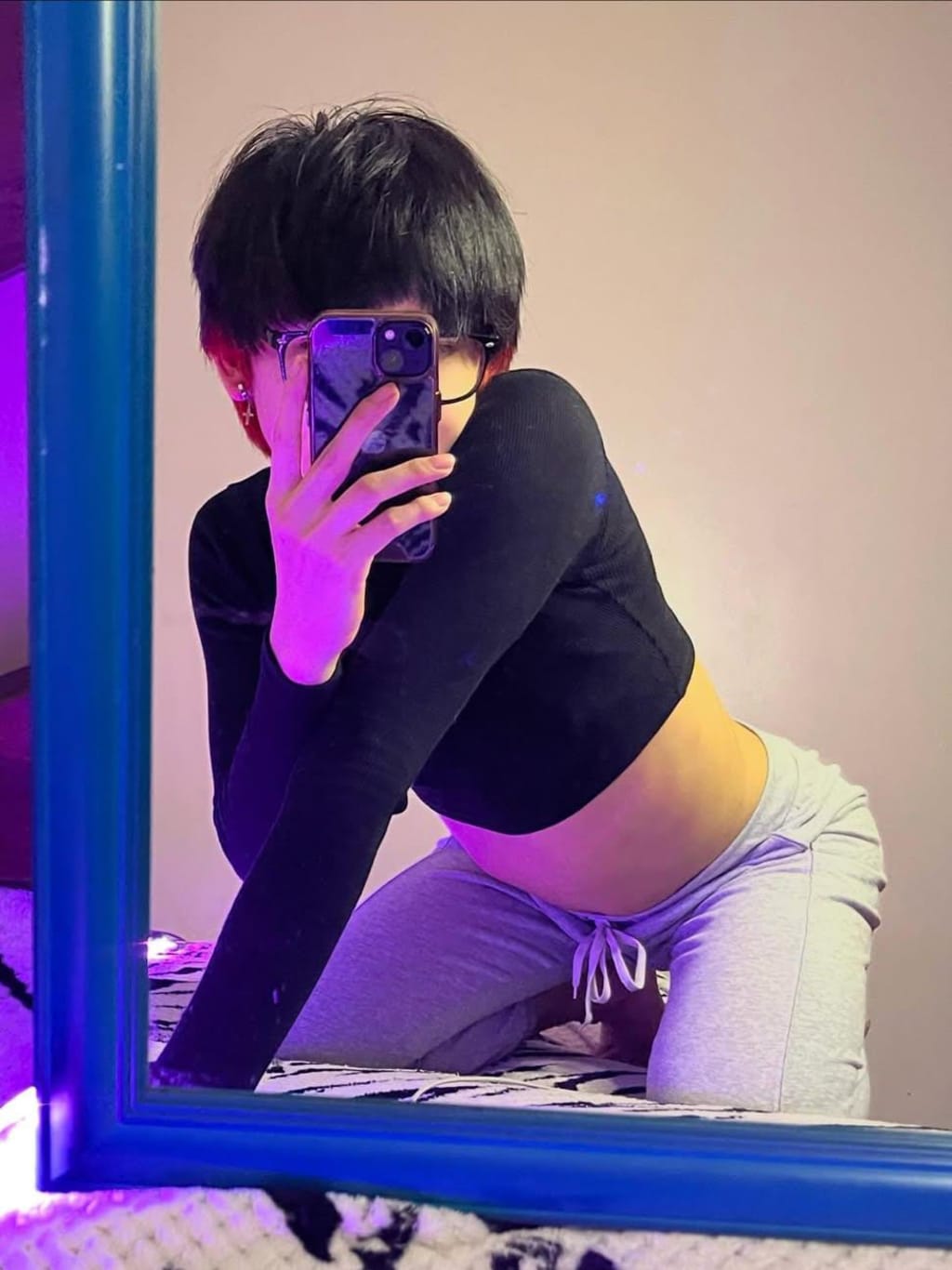
In today’s digital age, identities, expressions, and communities are more visible than ever before. One of the terms that has gained attention, particularly among younger generations and online spaces, is “femboy.” But what exactly does this word mean? Why has it become such a trending topic on the internet? And what role does it play in discussions about gender, fashion, and self-expression?
In this article, we’ll dive deep into the concept of femboys their definition, history, cultural significance, stereotypes, and the growing popularity of this identity. By the end, you’ll have a complete understanding of what being a femboy means and why it matters in today’s world.
Understanding the Term “Femboy”
At its core, a femboy is usually defined as:
A person, often male by birth, who presents themselves in a feminine way through clothing, behavior, or appearance without necessarily identifying as female.
It’s important to note:
- Being a femboy is about expression, not necessarily gender identity.
- Many femboys still identify as men, while others might identify differently.
- The focus is often on style, fashion, and mannerisms rather than strict gender labels.
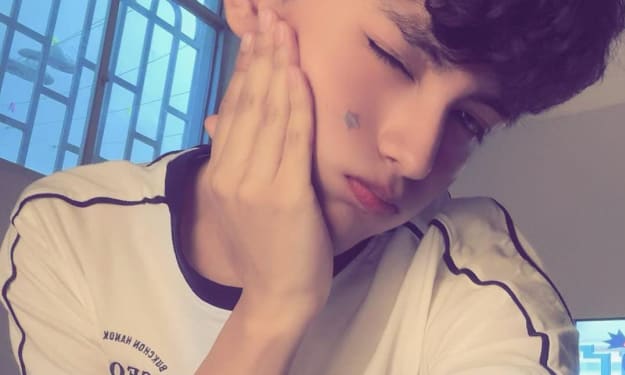
In simple terms, a femboy is someone who enjoys blending masculinity with femininity, often dressing in traditionally feminine clothes like skirts, thigh-high socks, or makeup, while still embracing their own version of masculinity.
Is Being a Femboy the Same as Being Transgender?
This is one of the most common questions people ask. The short answer is no, not necessarily.
- Femboy: A person who embraces femininity while often identifying as male.
- Transgender Woman: A person who was assigned male at birth but identifies and lives as a woman.
While there can be overlap (since identity and expression are personal), being a femboy usually revolves around expression rather than a shift in gender identity.
A Short History of Femboy Culture
Although the word “femboy” feels like an internet-era creation, the concept of men embracing femininity is not new. Let’s look at some historical context:
- Ancient Civilizations: In some cultures, men wearing flowing garments, jewelry, or makeup was seen as normal. For example, in ancient Egypt, men commonly wore eyeliner (kohl).
- Japanese Bishōnen (美少年): The tradition of “beautiful boys” in Japanese art and literature celebrated young men with delicate, feminine appearances.
- Goth and Emo Subcultures (2000s): Many male musicians and influencers blurred gender lines with eyeliner, skinny jeans, and long hair.
- Internet Era (2010s–Present): Social media platforms like TikTok, Twitter, and Reddit have made femboy fashion and identity more visible than ever.
This shows that what we now call “femboy” has roots in global history it’s just being redefined in today’s cultural context.
Why Do People Become Femboys?
Every femboy has their own personal reasons for embracing this identity, but some common motivations include:
- Self-Expression: Fashion and style become tools for exploring different sides of one’s personality.
- Comfort: Some individuals simply feel more comfortable in clothing that is traditionally feminine.
- Breaking Gender Norms: Many femboys enjoy challenging society’s rigid expectations of masculinity.
- Confidence & Aesthetic: For some, feminine fashion helps them feel more attractive and confident.
- Online Communities: Digital spaces like TikTok, Discord, and forums provide encouragement and acceptance for experimenting with gender expression.
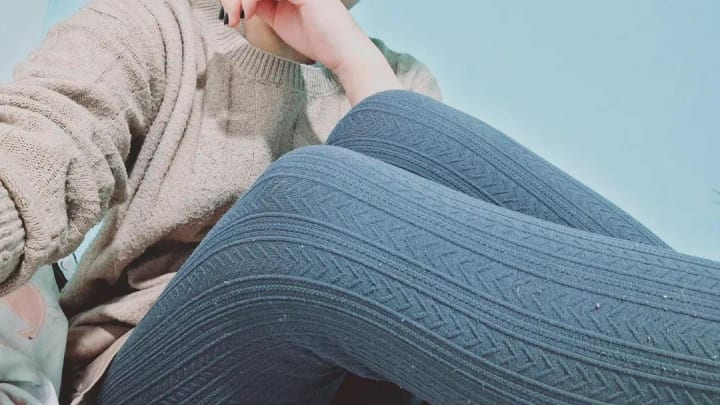
Femboy Fashion: A Key Element
Fashion is at the heart of femboy identity. While there’s no single “uniform,” certain trends are especially popular in femboy culture:
Clothing: Skirts, crop tops, oversized sweaters, thigh-high socks, short shorts, and dresses.
Accessories: Chokers, earrings, nail polish, and cute backpacks.
Makeup: Light foundation, eyeliner, mascara, and sometimes lipstick for a softer, youthful look.
Hairstyles: Dyed hair, longer cuts, or soft bangs that frame the face.
It’s about aesthetic freedom the ability to mix and match traditionally masculine and feminine pieces in creative ways.
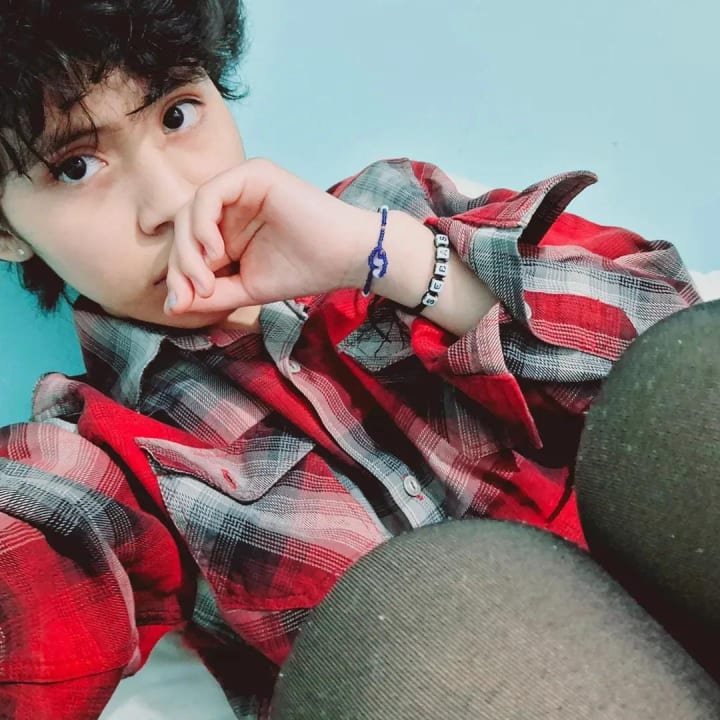
Online Popularity of the Femboy Identity
The rise of TikTok, YouTube, and Instagram has made femboy culture more visible than ever before. Content creators share outfit ideas, makeup tutorials, and lifestyle vlogs.
- On TikTok, the #femboy hashtag has millions of views.
- Online communities have created safe spaces for femboys to connect and share experiences.
- Memes, fan art, and gaming culture have also contributed to the popularity of the term.
This digital exposure has helped normalize gender-fluid expression for many people.
Misconceptions and Stereotypes About Femboys
Like many identities, femboys face stereotypes. Let’s break down a few myths:
- “All femboys are gay.”
→ Not true. Sexual orientation and gender expression are separate. A femboy can be straight, gay, bisexual, or any other orientation.
- “Femboys want to be women.”
→ Not always. Some femboys identify as male and simply enjoy feminine aesthetics.
- “It’s just a phase.”
→ For some, it may be experimentation. But for many, being a femboy is a long-term part of their identity.
- “Femboys are weak or unmanly.”
→ Expression does not define strength or worth. Many femboys challenge this outdated stereotype by embracing their femininity with confidence.
How Society Views Femboys
Society’s perception of femboys can vary widely:
- Positive: Many people see them as trendsetters, fashion-forward, and confident in their self-expression.
- Negative: In more conservative cultures, femboys may face criticism, stigma, or bullying.
However, as discussions about gender fluidity grow, acceptance is increasing globally. Femboys are often praised for challenging outdated gender roles and inspiring others to embrace authenticity.
Femboys vs. Other Gender Expressions
To better understand, let’s compare femboys with similar terms:
- Androgynous: A mix of masculine and feminine traits, often gender-neutral.
- Drag Queens: Performers (usually men) who dress in exaggerated female attire for entertainment.
- Non-Binary Individuals: People who don’t identify strictly as male or female.
- Crossdressers: People who wear clothing traditionally associated with the opposite gender, sometimes without attaching identity to it.
Femboys overlap with these identities but have their own distinct cultural identity rooted in online and youth culture.
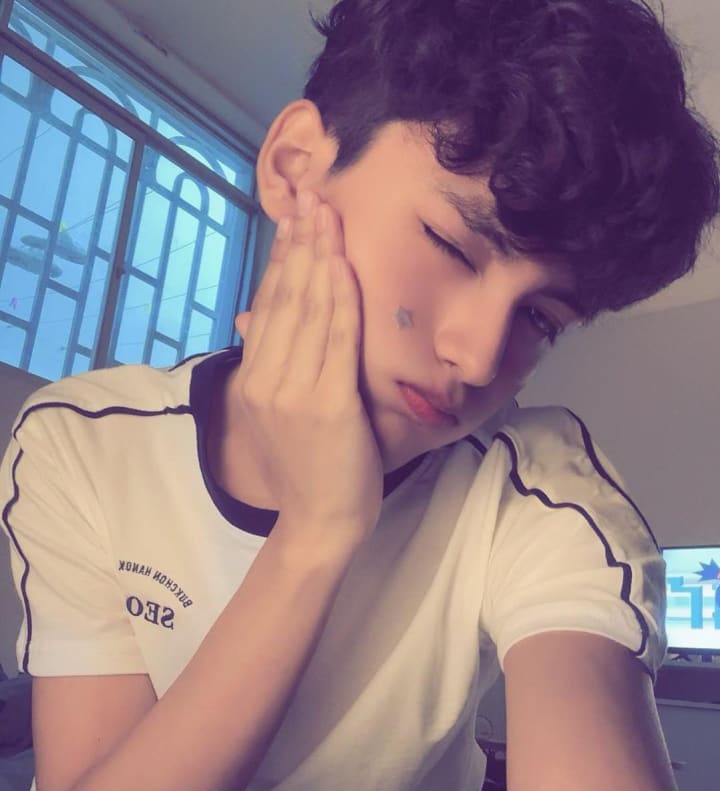
Challenges Femboys Face
Despite growing acceptance, femboys encounter struggles, such as:
- Bullying or Harassment: Especially in schools or conservative societies.
- Misunderstanding: People often confuse expression with orientation or gender identity.
- Family Pressure: Traditional families may not accept non-conforming gender expression.
- Employment Bias: Professional spaces may not always welcome alternative fashion or expression.
These challenges highlight the need for inclusivity and open-mindedness in society.
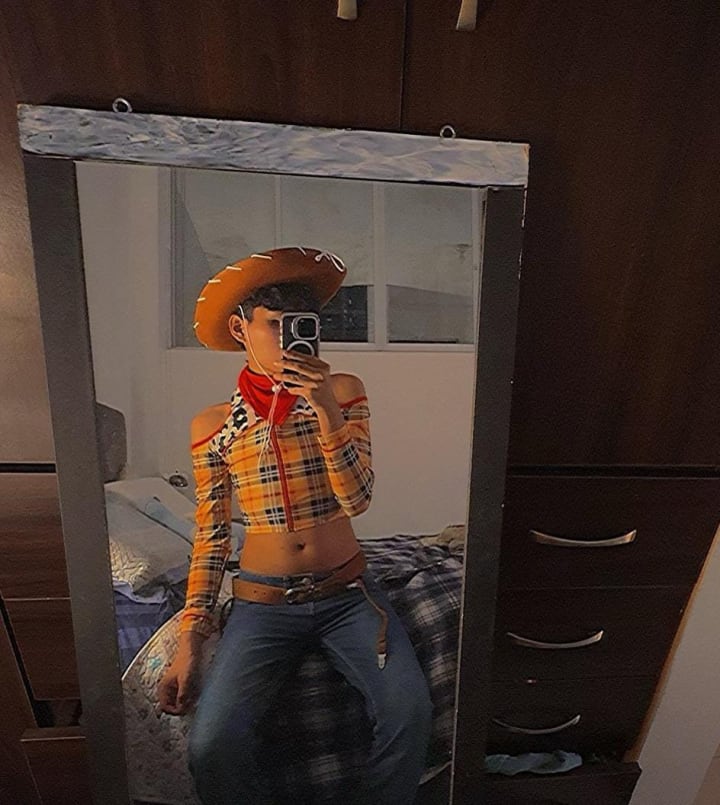
Femboy Representation in Media
While still limited, femboys are slowly appearing in media, anime, and fashion industries:
- Anime and Manga: Characters like Astolfo from Fate/Apocrypha have become iconic femboy figures.
- Fashion Influencers: Social media has given rise to influencers who normalize and celebrate femboy fashion.
- Music: Some artists challenge gender norms by blending masculine and feminine aesthetics.
Representation matters it helps normalize identities and gives visibility to underrepresented groups.
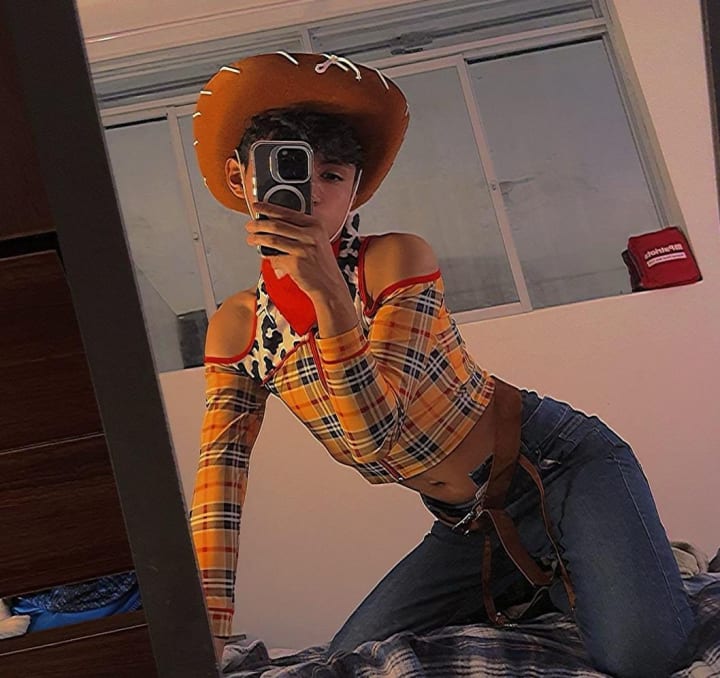
The Future of Femboy Culture
The growing visibility of femboys is shaping conversations around gender expression. Here’s what the future may look like:
- Fashion Industry Inclusion: More brands may launch gender-neutral or feminine clothing lines targeted at men.
- Increased Acceptance: As Gen Z and younger generations embrace fluidity, society’s view of femboys will likely become more positive.
- Stronger Online Communities: Platforms like TikTok and Discord will continue to be safe havens for femboys worldwide.
- Breaking Barriers: Femboys will continue to challenge gender norms, paving the way for a more inclusive society.
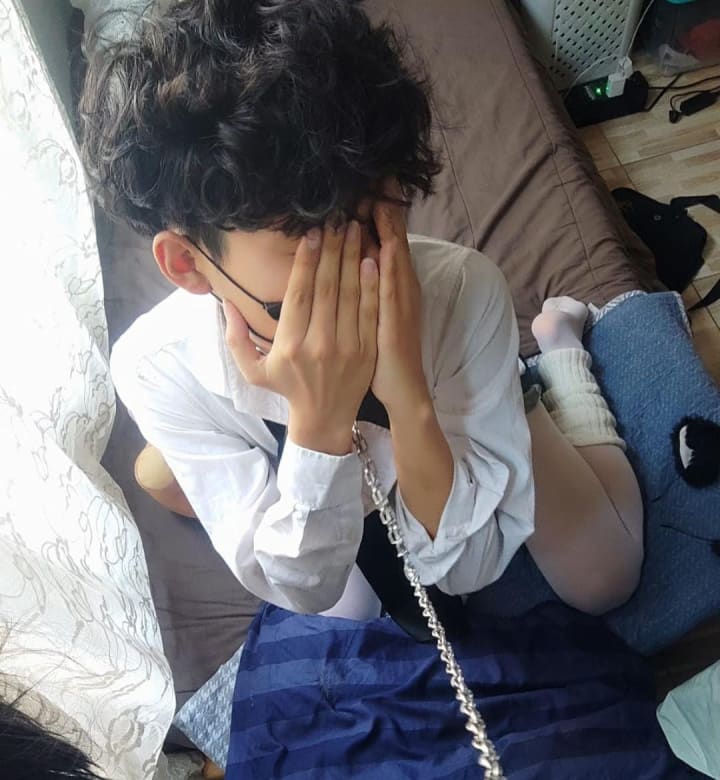
FAQs About Femboys
1. Are femboys only male?
Yes, the term generally refers to males who embrace femininity, though gender expression can vary widely.
2. Is being a femboy the same as being gay?
No. Being a femboy is about gender expression, not sexual orientation.
3. Can a straight man be a femboy?
Absolutely. Many straight men identify as femboys.
4. Is it just about clothing?
Not entirely. While fashion plays a huge role, it’s also about behavior, aesthetic, and self-expression.
5. Are femboys accepted worldwide?
Acceptance varies. Western societies are generally more open, while conservative cultures may still reject or criticize femboys.
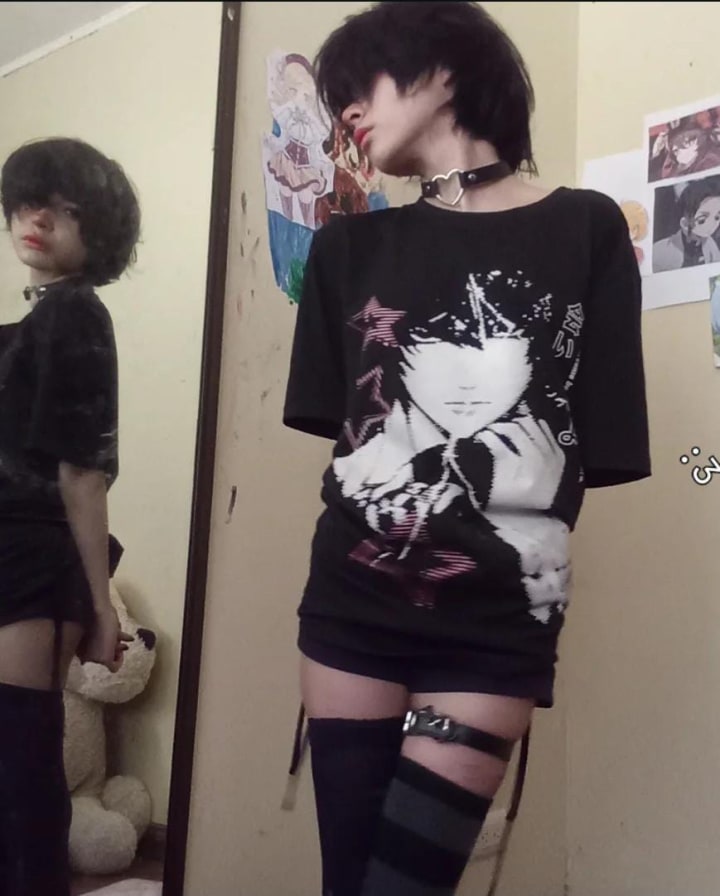
What Being a Femboy Really Means
At its heart, being a femboy is about freedom, confidence, and expression. It’s not about conforming to stereotypes or fitting into strict gender boxes it’s about embracing individuality and blurring the lines between masculinity and femininity.
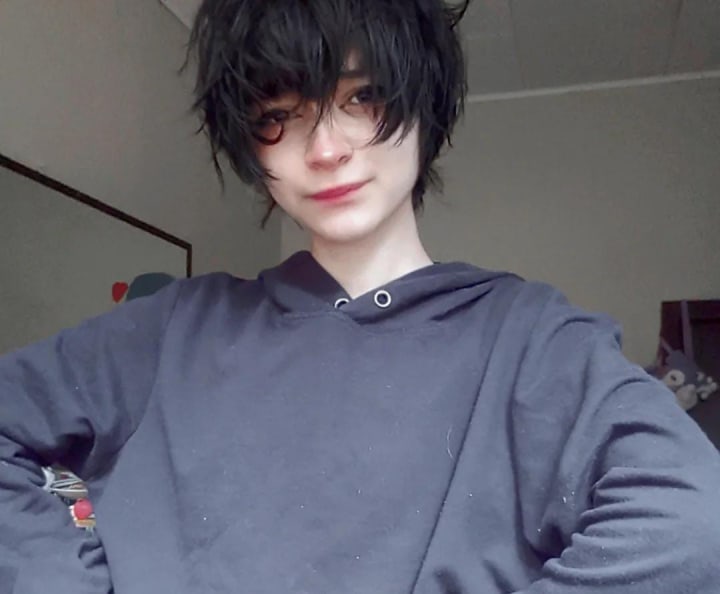
The rise of femboys in online culture shows us something powerful: society is evolving. Young people are rejecting outdated rules and embracing new ways of living authentically. Whether you’re a femboy, a supporter, or simply someone curious, one lesson is clear self-expression is beautiful, and identity is yours to define.
About the Creator
David Femboy
David here. Sharing my authentic femboy journey the outfits, the lessons, the life. For anyone exploring gender expression. Let’s redefine masculinity together. 💖
Keep reading
More stories from David Femboy and writers in Pride and other communities.
What Does Fem Mean? A Complete Guide to Its Meaning and Usage
Language is always evolving, and with it comes new words, slang, and abbreviations that shape the way we communicate. One such word that has sparked curiosity is “Fem.” You might have come across it on social media, in LGBTQ+ communities, in gaming chats, or even in casual conversations. But what exactly does “Fem” mean? Why do people use it, and what are its different interpretations?
By David Femboy6 months ago in Pride
The Nanny
My grandmother used to watch The Nanny and she got me hooked on the show as well period the Nanny is about Fran fine a nice Jewish girl from Queens who got kicked out of her boyfriend's bridal shop well play ironically the plot of the show is in the theme song so if you want to know what the show was about just listen to the theme song to the nanny you'll see. she meets Maxwell who is a British i'm dated and successful theater producer who has children and for that he thinks he she's the nanny because that the day she came to their door they were hiring from an agency for his children and then you know they mistakenly think she's a nanny and that's how she became the nanny. Also it takes place in the world of musical theater and production and things like that. The surrounding cast isFunny as well. You have his sonBrighton who is the smartHe's he's a very sarcastic son who always delivers the zingersPeriod you haveHis daughterPeriod you have his other daughter Gracie who's in therapyPeriod you have CeCe who is his assistant and sparring partner with his ButlerNile.
By Revista Miko:XCI by Rikki La Rouge2 days ago in Pride


Comments
There are no comments for this story
Be the first to respond and start the conversation.