
The Influence of Japanese Ingredients in Modern Cocktails
Umami, elegance, and precision — how Japanese flavors are redefining the global cocktail landscape.

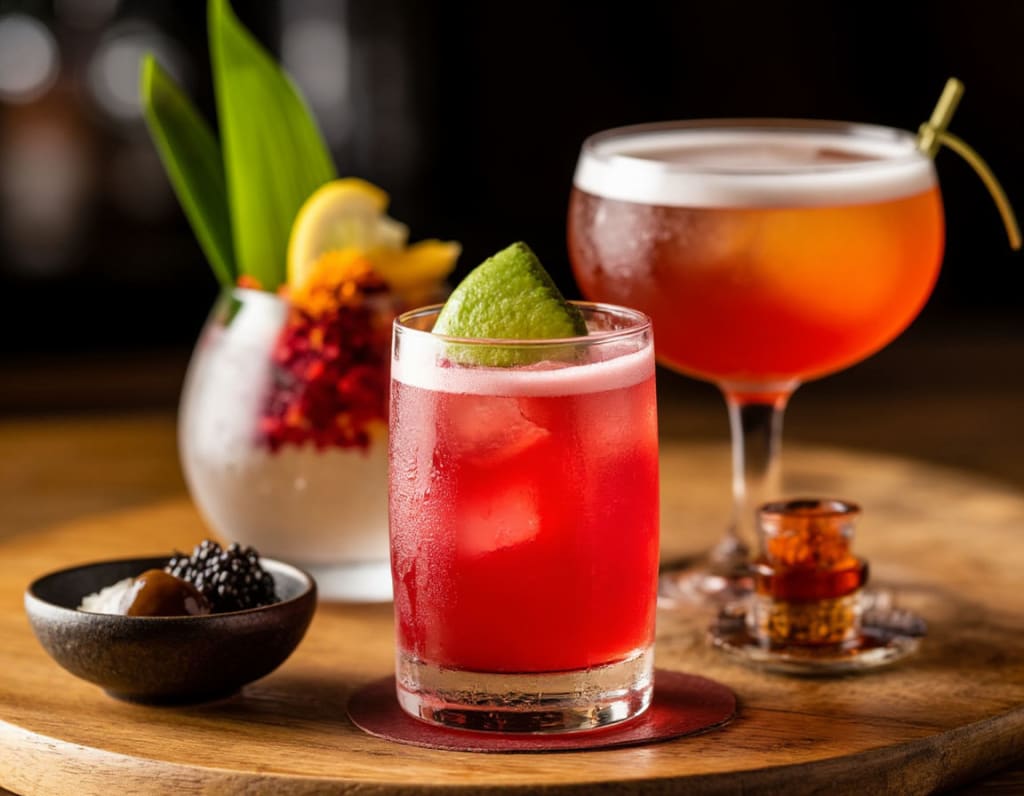
In recent years, Japanese ingredients have taken center stage in the world of mixology, bringing balance, sophistication, and subtle complexity to cocktails around the globe. What began with the popularity of Japanese whisky has evolved into a broader fascination with the country's unique culinary palette — from yuzu to matcha, from shiso to miso.
This influence goes beyond just flavor; it introduces an entirely different philosophy to bartending. One that values harmony, detail, and seasonal awareness.
Precision Meets Creativity
At the heart of Japanese mixology is an obsession with balance. Bartenders inspired by Japanese tradition often pay meticulous attention to ice quality, stirring techniques, and the weight of each ingredient. Japanese bartending is often compared to an art form — deliberate, elegant, and minimalist.
This mindset has permeated bars in New York, London, and beyond. As a result, cocktails have become more refined, more intentional, and often more surprising.
Signature Japanese Ingredients Making an Impact
1. Yuzu
This bright, aromatic citrus fruit has a sharp acidity and floral note that makes it an ideal replacement for lemon or lime. Yuzu is now a staple in high-end cocktail bars, especially in sours, spritzes, or clarified drinks.
2. Shiso
With its minty, basil-like complexity, shiso adds freshness and depth. Red shiso brings a tart, plum-like tang, while green shiso is more herbal and grassy. Shiso syrup or muddled leaves are common in modern twists on mojitos or gimlets.
3. Matcha
Matcha isn’t just for lattes — its earthy bitterness and vibrant color lend themselves beautifully to creamy cocktails and shaken drinks. A matcha sour with egg white, for example, offers a luxurious texture and striking look.
4. Miso and Soy
These savory, fermented staples are used sparingly but effectively. A touch of white miso in a honey syrup adds umami richness. Soy-washed spirits are being used to give vodka or bourbon a rounder, deeper character.
5. Japanese Whisky and Shochu
Once a niche product, Japanese whisky is now a global force. Known for its smooth texture and subtle smoke, it’s perfect for highballs and Old Fashioned-style drinks. Shochu, lower in alcohol, is ideal for low-ABV cocktails with a crisp, clean finish.
More Than Flavor — A New Aesthetic
What’s truly fascinating is how these ingredients have shifted the aesthetic of cocktails. Presentation is now more restrained and contemplative. Instead of towering garnishes, think delicate glassware, perfectly clear ice, and a single blossom or twist of peel.
There’s also a seasonal sensibility borrowed from "shun" — the Japanese concept of enjoying ingredients at their peak. Spring cocktails may feature cherry blossoms or fresh melon; autumn might highlight roasted chestnuts or persimmon.
Want to Start Mixing with Japanese Ingredients?
If you’re ready to experiment with Japanese-inspired flavors at home, check out our curated collection of cocktail recipes that showcase yuzu, shiso, and more. Whether you're crafting a matcha martini or a yuzu highball, you'll find step-by-step guides that make it easy to explore these refined flavors in your own bar setup.
East Meets West in the Glass
The integration of Japanese ingredients into modern cocktails is more than a passing trend — it’s a thoughtful evolution of the craft. It reminds us that great drinks are about more than just bold flavors. They’re about balance, seasonality, and even philosophy.
So next time you're mixing a drink, pause. Think like a Japanese bartender: What’s the story in this glass? What emotion does it carry? Sometimes, the most subtle twist — a dash of umami, a hint of floral citrus — can completely change your cocktail game.
About the Creator
Aisha Patel
A cocktail educator and author, known for her focus on sustainable mixology. She advocates for eco-friendly practices in the bar industry and teaches others how to create delicious cocktails with minimal environmental impact.
Keep reading
More stories from Aisha Patel and writers in Proof and other communities.
Iconic Cocktails from 10 Different Countries
Cocktails are more than just delicious drinks — they’re cultural signatures. Every country has its own iconic recipe that reflects its local spirits, ingredients, and traditions. From the zesty Pisco Sour of Peru to the bittersweet Negroni of Italy, these drinks are expressions of national identity in a glass.
By Aisha Patel9 months ago in Proof
Afterparty Drinks: Night Cocktails to Keep the Vibe Alive
When the club lights dim but the night is still young, the afterparty calls for cocktails that keep the energy flowing and the mood electric. These night cocktails are crafted to be smooth, flavorful, and a little adventurous — perfect for those late-night mixology moments when you want to impress or just unwind with friends.
By Sofia Mertinezz2 days ago in Proof
🌍 Global Power Rankings 2026: Who Really Controls the World?
🌍 Global Power Rankings 2026: Who Really Controls the World? 📊 Global Power Rankings Chart In today’s world, power is no longer measured only by the size of an army or the number of tanks a country owns. Global power has become complex, multi-layered, and deeply connected to technology, money, information, and influence. The global power rankings shown above help us understand who really controls the world in 2026 and why the balance of power is becoming more unstable than ever before.
By Wings of Time 4 days ago in Proof



Comments
There are no comments for this story
Be the first to respond and start the conversation.