social media
Social media dramatically impacts our offline lives and mental well-being; examine its benefits, risks and controversies through scientific studies, real-life anecdotes and more.
Social Media is Making Us Lonelier – Here’s the Data
Once upon a time, “friends” were the people we shared coffee with, laughed beside, cried with, and trusted deeply. Today, “friends” are also strangers we follow, double-tap, and occasionally DM with emojis. We’re more connected than ever, yet—paradoxically—we’re also lonelier than ever. And it’s not just a feeling. The numbers back it up.
By Kamran Zeb8 months ago in Psyche
Aesthetic Exhaustion
Somewhere between choosing the right filter and adjusting the lighting, we began losing sight of ourselves. We are living in an era where the performance of life often overshadows its experience. Each day, millions of people around the world scroll, pose, post, and repeat — carefully arranging moments to fit within the narrow frames of aesthetic appeal. But beneath the beautifully edited breakfasts, sunset selfies, and #softlife reels, a silent fatigue is setting in. We are, perhaps, becoming exhausted — not from living, but from constantly curating.
By Mehtab Ahmad8 months ago in Psyche
Why Do Young Men Hesitate to Seek Mental Health Support?
Mental health issues among young men and boys Mental health issues among young men and boys are on the rise, yet they are less likely to seek help compared to their female counterparts. According to a 2023 study from the United States, approximately 40% of men do not seek help for mental health issues. The *European Child and Adolescent Psychiatry Journal* highlights that suicide rates among adolescent boys and young men are increasing, while their tendency to seek psychological support remains low. This raises critical questions: why do young men hesitate to seek mental health support, and what can schools, parents, and policymakers do to address this issue?
By Muhib Ullah 8 months ago in Psyche
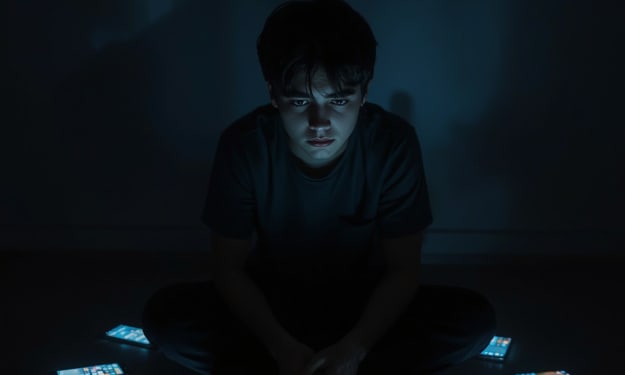
Unplug to Recharge: Coping with Tech Burnout in 2025
It’s 2025, and we live in a world that never powers down. Notifications blink at us from every corner — smartphones, laptops, smartwatches, even our refrigerators. We are always reachable, always expected to respond, and often silently judged by how quickly we reply. With so many devices competing for our attention, it’s no surprise that tech burnout has become a very real mental health issue.
By Briana Feliciano8 months ago in Psyche