Latest Stories
Most recently published stories in Styled.
I Thought I Was Too Late to Get Healthy — I Was Wrong. AI-Generated.
I used to believe there was a deadline for taking care of yourself. A point where your body quietly decides it’s done cooperating. Where energy becomes a memory and “being healthy” turns into something you talk about in the past tense. I didn’t think I was unhealthy. I just thought I was tired. Tired of waking up already exhausted. Tired of tight clothes, stiff joints, shallow breaths. Tired of pretending it was normal to feel older than I was. The warning signs weren’t dramatic. No hospital visits. No emergency scares. Just small losses that added up. I avoided stairs. I parked closer. I sat whenever I could. I told myself I was busy. I told myself this was adulthood. Then one morning, I struggled to tie my shoes. Not because I was in pain — because I was out of breath. That moment stayed with me. I didn’t sign up for a gym. I didn’t download an app. I didn’t make a bold promise I couldn’t keep. I just walked. Five minutes at first. I told myself it didn’t have to count. That it didn’t have to matter. I just needed to move enough to remind my body it was still alive. Those first walks felt uncomfortable in ways I hadn’t expected. My legs were heavy. My breathing sounded loud in my own ears. I kept checking the time, surprised by how slowly minutes passed. But I kept going. Not every day felt good. Some days I walked annoyed. Some days I walked bored. Some days I walked only because I didn’t want to break the streak. And that’s when something important happened. I stopped waiting to feel motivated. Motivation had always been the thing that failed me. I waited for it to arrive, and when it didn’t, I quit. Walking taught me that motivation isn’t required — only willingness. After a week, my sleep improved. Not perfectly, but noticeably. I fell asleep faster. I didn’t wake up as often. My mornings felt less heavy. After two weeks, my body felt less hostile. My back loosened. My posture changed. I wasn’t bracing myself against discomfort anymore. The scale barely moved. And strangely, I didn’t care. Because something else was shifting. I felt calmer. Less reactive. My thoughts didn’t spiral as quickly. Walking became a space where my mind could slow down without distractions. No screens. No pressure. Just steps. By the third week, five minutes turned into ten. Then fifteen. Not because I forced myself — but because stopping felt incomplete. I noticed the world again. Trees changing color. Side streets I’d never explored. The rhythm of my breath matching my pace. People started making comments. “You seem more relaxed.” “You look better.” They couldn’t pinpoint it. Neither could I. But I felt it. At my next doctor’s appointment, my numbers had improved slightly. Nothing dramatic — just enough to matter. “Keep doing whatever this is,” he said. That sentence meant more than praise ever could. I still don’t run. I still don’t lift heavy weights. I don’t track calories. I don’t chase perfection. I walk. And in walking, I learned something I wish I’d known sooner: it’s not too late until you stop trying. Health doesn’t demand extremes. It asks for consistency. For kindness. For showing up imperfectly but repeatedly. The biggest change wasn’t physical. It was trust. I stopped breaking promises to myself. I stopped quitting when things felt slow. I stopped believing that effort only matters if it’s impressive. Sometimes progress looks like nothing. Until one day, it looks like everything.I stopped breaking promises to myself. I stopped quitting when things felt slow. I stopped believing that effort only matters if it’s impressive. Sometimes progress looks like nothing. Until one day, it looks like everything.A realistic, inspirational fitness scene. An adult walking alone on a quiet suburban road in the early morning. Soft golden sunrise light, long shadows. Casual comfortable clothes, simple sneakers. No gym, no equipment, no dramatic body transformation. Peaceful environment with trees and empty street. Mood of calm, consistency, and personal growth. Natural body type, authentic and relatable. Cinematic photography, realistic lighting. High quality, clean composition. 16:9 aspect ratio, 1280x720 resolution.
By faheem akbar2 months ago in Styled
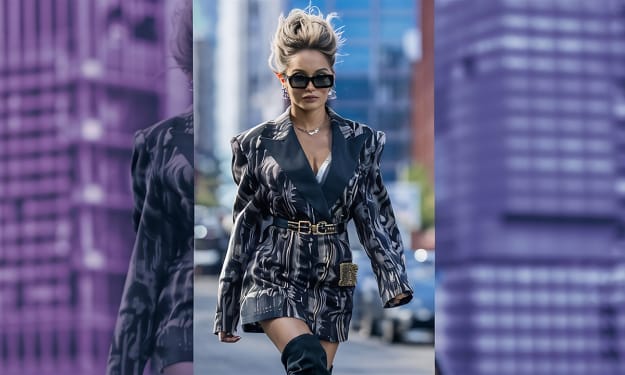
Women’s Fashion News: The Evolution of Modern Style, Trends, and Empowerment in 2026. AI-Generated.
Women’s fashion in 2026 continues to evolve as a powerful expression of individuality, confidence, and cultural influence. No longer limited to seasonal aesthetics alone, modern women’s fashion reflects lifestyle choices, sustainability values, body positivity, and global inspiration. From runway-driven couture to everyday streetwear, women’s fashion has become more inclusive, versatile, and purpose-driven than ever before.
By duran lorena2 months ago in Styled
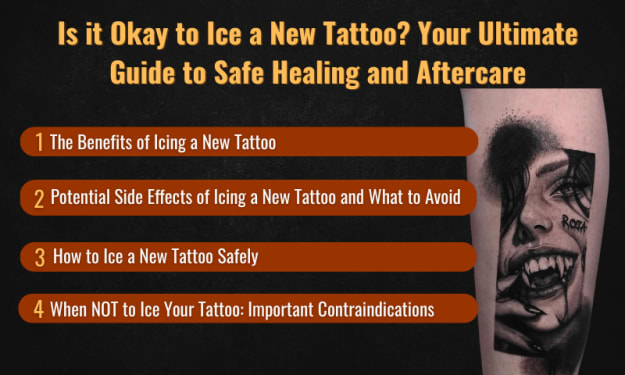
Is It Okay to Ice a New Tattoo? Your Ultimate Guide to Safe Healing and Aftercare. AI-Generated.
Yes, it is generally okay to ice a new tattoo, and it can be highly effective to manage the immediate swelling and pain. However, the key is to do it correctly to avoid damaging your new ink and the sensitive skin around it. Applying a cold compress can provide significant relief during the initial uncomfortable stages of the healing process. This guide will provide essential information about the right way to ice your tattoo, including the benefits, potential risks to avoid, and step-by-step instructions for safe application. Following these tips can help promote beautiful healing and reduce the risk of complications.
By Hyper Inkers2 months ago in Styled
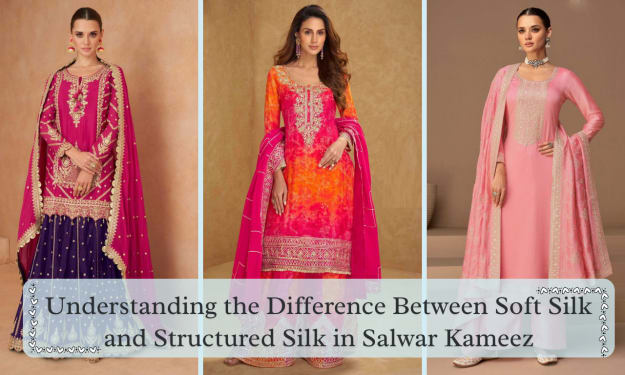
Understanding the Difference Between Soft Silk and Structured Silk in Salwar Kameez
Silk has long been admired for its richness and elegance, but not all silk behaves the same way when crafted into a salwar kameez. One of the most important distinctions lies between soft silk and structured silk. While both belong to the same fabric family, the way they look, move, and shape an outfit can be entirely different.
By Amit Mandal2 months ago in Styled
2026 Spring’s Hottest Glueless Human Hair Wigs
Let’s keep it 100—finding a wig that’s cute, comfortable, and doesn’t require a whole tube of glue? That’s the holy grail for us Black queens. After years of struggling with sticky lace fronts that left my edges fried and my patience thin, I swore off glued wigs for good. And let me tell you, 2026 spring is delivering the goods with glueless human hair wigs options that hit different. No more stressing about melting glue in the sun or ruining my natural hair—just easy, flawless slay all day long. Today, I’m breaking down the three hottest styles you need in your collection: half wigs, V-part wigs, and M-cap wigs. Trust me, these aren’t your grandma’s wigs—they’re the secret to looking put-together without the hassle.
By manman zhai2 months ago in Styled
Stranger Things Season 5 Feels Like a Reckoning — And Will Byers Is Finally at the Center of It
If Stranger Things has always been about growing up with your fear sitting right next to you, then Season 5 plays like the moment you stop pretending you can out-run it.
By emma watson2 months ago in Styled
What Do Bird Tattoos Symbolize? The Meaning of 8 Most Popular Birds in Tattoo Art. AI-Generated.
Bird tattoos are a universal symbol of freedom, hope, and the ability to soar above life's challenges. However, the true depth of their meaning is revealed through the specific species you choose.
By Hyper Inkers2 months ago in Styled
The Art of Tailoring: Understanding the Importance of Navel Measurements in Perfect Fit. AI-Generated.
Tailoring is more than just a profession; it is an art form that requires a deep understanding of the human body, fabric properties, and how both interact to create a perfectly fitted garment. While many people may focus on measurements like chest, waist, and hips when it comes to clothing, one area that often gets overlooked is the navel or mid-body region. In this article, we will explore why taking precise navel measurements is so important in the tailoring process, and how this seemingly small detail can make a world of difference in achieving a well-fitted, comfortable, and stylish piece of clothing. Understanding the Navel Area in Tailoring The navel area is not just a random part of the body—it is a central point that plays a pivotal role in how a garment fits. For many people, this region is where the body naturally curves and where the shirt or pants may either be too tight or too loose if not properly measured. When a tailor measures this area accurately, it ensures that the garment will rest well on the body, providing the right balance of comfort and style. Most people understand the importance of measurements like chest or waist circumference, but the navel area is just as crucial. If the fabric does not fit well around the navel, the garment will either be uncomfortable to wear or will not hang properly. This is why expert tailors give special attention to the midsection and measure it with precision. The Role of Navel Measurements in Shirts and Pants Whether you're tailoring a shirt, a suit, or pants, the navel measurement can greatly impact the overall fit. For shirts, the measurement taken from the shoulder down to the navel ensures that the fabric falls correctly, creating a flattering silhouette. A shirt that is too tight around the navel may restrict movement and cause discomfort, while one that is too loose may look baggy and ill-fitting. For pants, the navel measurement helps determine the correct waistband fit. If the waistband is placed too high or too low, it can lead to discomfort and awkward bunching of fabric. By measuring around the navel, a tailor ensures that the waistband sits comfortably on the waist, providing the necessary support while also enhancing the overall appearance of the pants. How to Take the Perfect Navel Measurement Taking accurate navel measurements may seem simple, but it requires careful attention to detail. Here are the steps involved in taking the perfect navel measurement: Stand Straight: Ensure that the person being measured stands up straight with their feet shoulder-width apart. This allows for the most accurate measurement and ensures that the garment will fit comfortably. Find the Natural Waistline: The natural waistline is typically located just above the navel, where the body naturally curves. It's important to note that the exact position of the waistline may vary from person to person, but it is usually just above or around the belly button. Use a Soft Measuring Tape: A flexible measuring tape is essential for measuring the navel area accurately. It should fit snugly but not too tightly around the waist. The measuring tape should be level and parallel to the floor. Take the Measurement: Once the tape is properly positioned, take the measurement in inches or centimeters. Make sure the tape is snug but not constricting, and note the measurement. Repeat for Accuracy: It is a good practice to take the measurement twice to ensure accuracy. To get e most accurate result, use the average if there is any difference. The Impact of Navel Measurements on Fit and Comfort The most obvious benefit of accurate navel measurements is the improvement in fit and comfort. When garments are tailored with precise measurements, they are less likely to cause discomfort or restrict movement. A well-fitted garment will allow the wearer to move freely while still looking polished and stylish. For example, a shirt that is too tight around the navel may cause the fabric to bunch up or create an uncomfortable tightness, making it difficult to sit or stretch without feeling restricted. On the other hand, a shirt that is too loose may appear shapeless and unflattering. Navel measurements ensure that the garment fits comfortably around the midsection, creating a smooth silhouette without any bunching or gaping. Similarly, pants that are tailored with accurate navel measurements will sit comfortably at the waist, reducing the risk of discomfort from tight waistbands or sagging fabric. The tailor contributes to the creation of a shape that is both flattering and comfortable by making certain that the waistband fits correctly around the navel. Why Navel Measurements Matter in Custom Tailoring In custom tailoring, every measurement counts, and the navel measurement is no exception. Custom-tailored garments are designed to fit the unique shape and proportions of the wearer’s body, and this includes taking into account the specific contours of the midsection. While off-the-rack clothing is made to fit a wide range of body types, custom tailoring focuses on the individual, ensuring that every measurement is accurate and that the final garment is comfortable and flattering. One of the key benefits of custom tailoring is that it allows the tailor to adjust the fit to suit the wearer’s body, which is especially important for areas like the navel. Off-the-rack clothing may not always accommodate the natural curves and proportions of the wearer’s midsection, leading to ill-fitting garments. Custom tailoring, on the other hand, takes these factors into consideration, ensuring a better fit and greater comfort. Navel Measurements and Body Types Different body types require different measurements, and the navel area is no exception. For individuals with a more athletic build, the navel measurement may need to be adjusted to account for a smaller waist and broader shoulders. For individuals with a fuller figure, the navel measurement may need to be taken into consideration to ensure the garment fits comfortably around the midsection without being too tight or restrictive. Regardless of body type, navel measurements should always be taken with care to ensure that the garment will fit comfortably and flatter the body. By understanding the wearer’s unique shape and proportions, the tailor can create a garment that enhances the individual’s natural features while also providing comfort and style. Conclusion: The Importance of Precision in Navel Measurements In conclusion, taking accurate navel measurements is essential for achieving a perfectly fitted garment. Whether tailoring a shirt, suit, or pants, the navel area plays a significant role in determining how well the garment fits and how comfortable it is to wear. By paying close attention to this important detail, tailors can ensure that their creations not only look stylish but also provide the comfort and freedom of movement that every wearer deserves. Tailoring is about more than just stitching fabric together—it's about understanding the body, the fabric, and how both interact to create something truly special. The navel measurement may seem like a small detail, but it has a big impact on the overall fit and comfort of a garment. By taking the time to measure carefully and accurately, tailors can create garments that are not only beautiful but also functional and comfortable
By Muhammad Adnankhan2 months ago in Styled
Minimal Styling Tips That Let Patiala Salwar Stand Out
Patiala salwar has a strong presence of its own. With its signature pleats and relaxed volume, it doesn’t need excessive styling to make an impression. In fact, the more you try to dress it up, the easier it is to lose what makes Patiala salwar special in the first place. Minimal styling allows the silhouette to speak for itself.
By Amit Mandal2 months ago in Styled