designers
Coco Chanel, Michael Kors, Tory Burch, and more—explore who has influenced the world of fashion the most, and who might be the next big name.
What Are Custom Top Tuck Boxes? Evaluate Sizes Styles and Printing Options
Custom top tuck boxes provide a functional yet visually appealing way to package merchandise. Among the many different ways to package items for a consumer, custom top tuck boxes are among the most flexible options today.
By CEO A&S Developers21 days ago in Styled
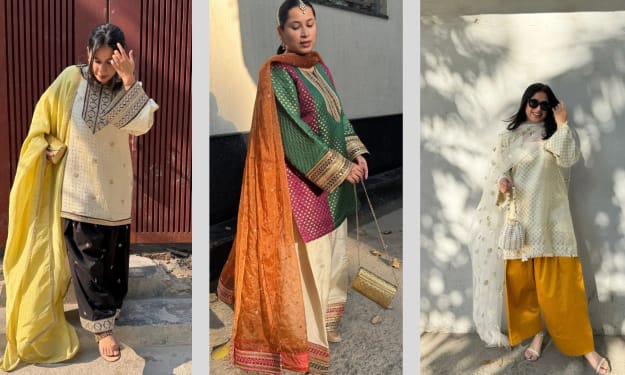
Pakistani Kurta Set for Women: Daily Wear vs Festive Wear Explained
Pakistani kurta set for women collections have quietly become a steady part of modern wardrobes, not because of trends alone, but because of how easily these outfits respond to real-life needs. From long working hours to relaxed gatherings and meaningful celebrations, the structure of a pakistani kurta set offers balance between comfort, appearance, and wearability. Many women today look for clothing that feels dependable across situations, and this is where the appeal of a pakistani kurti set becomes clear.
By fashion blogger25 days ago in Styled
Evening Glamour: The Most Popular Party Fustan of 2026
When it comes to evening parties, every woman wants to look graceful, confident, and comfortable at the same time. In 2026, fashion is moving beautifully towards modesty blended with glamour, and one outfit that is winning hearts everywhere is the fustan dress. From elegant dinner parties to festive celebrations and wedding evenings, fustan styles are becoming a must-have for women who love modest yet trendy fashion.
By Stylewithme26 days ago in Styled
Pastel vs Bright: Which Farshi Suit Colours Work Best for Lohri?
Lohri arrives at a time when winter is at its strongest and togetherness feels most meaningful. The festival is not just about fire rituals or traditional songs; it is also about how people come together, dress with intention, and express warmth through celebration. Clothing during Lohri often reflects comfort, tradition, and visual harmony, making thoughtful outfit choices an important part of the experience. Among the many traditional silhouettes worn during this season, the farshi salwar suit continues to feel relevant because it balances heritage with ease.
By Indian fashion updates26 days ago in Styled
Australia Smartwatch Market: Wearable Technology, Health Tracking & Connected Lifestyles. AI-Generated.
In 2024, Australia smartwatch market reached USD 1,064.00 Million Looking ahead, the market is expected to expand rapidly to USD 4,381.44 Million by 2033, exhibiting a compound annual growth rate (CAGR) of 17.03% during 2025–2033 by IMARC group.
By Kevin Cooper26 days ago in Styled
The Science of Sparkle: 6 Powerhouse Ingredients for Brighter Under-Eyes. AI-Generated.
The Science of Sparkle: 6 Powerhouse Ingredients for Brighter Under-Eyes Exploring how Chondrus Crispus, Vegetable Protein, and Glycerin work together to revive and protect your most delicate skin.
By Fashion Worldabout a month ago in Styled
Rose Brand’s 100-Year Evolution of Stage Drapery: Lessons for Today's Designers
Stage drapery has evolved over the past century to meet design standards, safety concerns, and current trends. We will dive into that 100-year history to glean helpful tips and tricks for today's designers. Drawing on legacy brands, such as Rose Brand’s archive of theatrical materials dating back to 1921, we will summarize the lessons learned for a new generation of scenic designers.
By Tiffany Youngabout a month ago in Styled
Latest Wedding Salwar Suit Designs Women Are Shopping for This Season
Wedding shopping has quietly evolved over the last few seasons. While grandeur and celebration remain at the heart of Indian weddings, women today are far more mindful about what they wear, how it feels, and how often it can be reused. This shift has changed how wedding suits for women are selected, moving the focus toward thoughtful design, wearable craftsmanship, and outfits that feel meaningful rather than excessive.
By Pakistani fashionabout a month ago in Styled
The Art of Tailoring: Understanding the Importance of Navel Measurements in Perfect Fit. AI-Generated.
Tailoring is more than just a profession; it is an art form that requires a deep understanding of the human body, fabric properties, and how both interact to create a perfectly fitted garment. While many people may focus on measurements like chest, waist, and hips when it comes to clothing, one area that often gets overlooked is the navel or mid-body region. In this article, we will explore why taking precise navel measurements is so important in the tailoring process, and how this seemingly small detail can make a world of difference in achieving a well-fitted, comfortable, and stylish piece of clothing. Understanding the Navel Area in Tailoring The navel area is not just a random part of the body—it is a central point that plays a pivotal role in how a garment fits. For many people, this region is where the body naturally curves and where the shirt or pants may either be too tight or too loose if not properly measured. When a tailor measures this area accurately, it ensures that the garment will rest well on the body, providing the right balance of comfort and style. Most people understand the importance of measurements like chest or waist circumference, but the navel area is just as crucial. If the fabric does not fit well around the navel, the garment will either be uncomfortable to wear or will not hang properly. This is why expert tailors give special attention to the midsection and measure it with precision. The Role of Navel Measurements in Shirts and Pants Whether you're tailoring a shirt, a suit, or pants, the navel measurement can greatly impact the overall fit. For shirts, the measurement taken from the shoulder down to the navel ensures that the fabric falls correctly, creating a flattering silhouette. A shirt that is too tight around the navel may restrict movement and cause discomfort, while one that is too loose may look baggy and ill-fitting. For pants, the navel measurement helps determine the correct waistband fit. If the waistband is placed too high or too low, it can lead to discomfort and awkward bunching of fabric. By measuring around the navel, a tailor ensures that the waistband sits comfortably on the waist, providing the necessary support while also enhancing the overall appearance of the pants. How to Take the Perfect Navel Measurement Taking accurate navel measurements may seem simple, but it requires careful attention to detail. Here are the steps involved in taking the perfect navel measurement: Stand Straight: Ensure that the person being measured stands up straight with their feet shoulder-width apart. This allows for the most accurate measurement and ensures that the garment will fit comfortably. Find the Natural Waistline: The natural waistline is typically located just above the navel, where the body naturally curves. It's important to note that the exact position of the waistline may vary from person to person, but it is usually just above or around the belly button. Use a Soft Measuring Tape: A flexible measuring tape is essential for measuring the navel area accurately. It should fit snugly but not too tightly around the waist. The measuring tape should be level and parallel to the floor. Take the Measurement: Once the tape is properly positioned, take the measurement in inches or centimeters. Make sure the tape is snug but not constricting, and note the measurement. Repeat for Accuracy: It is a good practice to take the measurement twice to ensure accuracy. To get e most accurate result, use the average if there is any difference. The Impact of Navel Measurements on Fit and Comfort The most obvious benefit of accurate navel measurements is the improvement in fit and comfort. When garments are tailored with precise measurements, they are less likely to cause discomfort or restrict movement. A well-fitted garment will allow the wearer to move freely while still looking polished and stylish. For example, a shirt that is too tight around the navel may cause the fabric to bunch up or create an uncomfortable tightness, making it difficult to sit or stretch without feeling restricted. On the other hand, a shirt that is too loose may appear shapeless and unflattering. Navel measurements ensure that the garment fits comfortably around the midsection, creating a smooth silhouette without any bunching or gaping. Similarly, pants that are tailored with accurate navel measurements will sit comfortably at the waist, reducing the risk of discomfort from tight waistbands or sagging fabric. The tailor contributes to the creation of a shape that is both flattering and comfortable by making certain that the waistband fits correctly around the navel. Why Navel Measurements Matter in Custom Tailoring In custom tailoring, every measurement counts, and the navel measurement is no exception. Custom-tailored garments are designed to fit the unique shape and proportions of the wearer’s body, and this includes taking into account the specific contours of the midsection. While off-the-rack clothing is made to fit a wide range of body types, custom tailoring focuses on the individual, ensuring that every measurement is accurate and that the final garment is comfortable and flattering. One of the key benefits of custom tailoring is that it allows the tailor to adjust the fit to suit the wearer’s body, which is especially important for areas like the navel. Off-the-rack clothing may not always accommodate the natural curves and proportions of the wearer’s midsection, leading to ill-fitting garments. Custom tailoring, on the other hand, takes these factors into consideration, ensuring a better fit and greater comfort. Navel Measurements and Body Types Different body types require different measurements, and the navel area is no exception. For individuals with a more athletic build, the navel measurement may need to be adjusted to account for a smaller waist and broader shoulders. For individuals with a fuller figure, the navel measurement may need to be taken into consideration to ensure the garment fits comfortably around the midsection without being too tight or restrictive. Regardless of body type, navel measurements should always be taken with care to ensure that the garment will fit comfortably and flatter the body. By understanding the wearer’s unique shape and proportions, the tailor can create a garment that enhances the individual’s natural features while also providing comfort and style. Conclusion: The Importance of Precision in Navel Measurements In conclusion, taking accurate navel measurements is essential for achieving a perfectly fitted garment. Whether tailoring a shirt, suit, or pants, the navel area plays a significant role in determining how well the garment fits and how comfortable it is to wear. By paying close attention to this important detail, tailors can ensure that their creations not only look stylish but also provide the comfort and freedom of movement that every wearer deserves. Tailoring is about more than just stitching fabric together—it's about understanding the body, the fabric, and how both interact to create something truly special. The navel measurement may seem like a small detail, but it has a big impact on the overall fit and comfort of a garment. By taking the time to measure carefully and accurately, tailors can create garments that are not only beautiful but also functional and comfortable
By Muhammad Adnankhanabout a month ago in Styled
Golf Jacket Trends and Leading Brands to Watch in 2026
The evolution of golf apparel continues to reflect the changing needs of modern players, and outerwear is no exception. As golf becomes more performance-driven and style-conscious, jackets are no longer viewed simply as protection from cold or wind. Instead, they function as technical garments designed to support mobility, comfort, and adaptability across varying weather conditions.
By Abbasi Publisherabout a month ago in Styled
A Practical Approach to Better Garment Fit. AI-Generated.
Tailoring is often seen as a straightforward task that begins with taking measurements and ends with stitching fabric into a finished garment. However, in actual practice, tailoring requires skill, observation, and careful planning to achieve the right balance. A single overlooked detail can affect the entire outcome of a garment. One of these details is to tailor around the navel and check the fabric before cutting. When a tailor starts a new garment, measurements are usually the first step. Shoulder width, sleeve length, chest size, waist, and overall length are noted carefully. Among these measurements, the navel or mid-body area plays a critical role. This section determines how the garment hangs on the body and whether it feels comfortable during movement. A small miscalculation here can make a shirt look tight, loose, or unbalanced. Tailoring the navel does not mean focusing on one single point. Knowing how the upper and lower bodies connect is necessary. Every measurement affects structure and balance from one shoulder bone to the other and from the shoulder to the wrist. If the shoulders are wide but the mid-body is not planned correctly, the garment will not sit naturally on the wearer. Despite accurate measurements, many tailoring problems begin with fabric handling. Material, weave, and quality all affect how a fabric behaves. Some fabrics stretch, some shrink, and others lose shape over time. This is why reviewing the fabric before cutting is one of the most important steps in tailoring. Unfortunately, many tailors overlook this step due to time pressure or overconfidence. A common issue faced in tailoring shops is fabric shortage. Sometimes, tailors start cutting right away because they think the cloth they are given is sufficient. Later, they realize there is not enough fabric for sleeves, hems, or finishing details. Once the fabric is cut, there is no solution except compromise. This affects garment quality and customer satisfaction. Defects can also be identified through fabric inspection. Small holes, weak threads, stains, or weaving flaws may not be visible at first glance. These issues frequently surface following washing or stitching. By checking fabric carefully under proper lighting before cutting, a tailor can avoid placing important garment sections on damaged areas. Another important factor is fabric grain direction. Cutting against the grain of the fabric can result in twisting and discomfort. This becomes especially noticeable around the navel and waist area, where balance is crucial. Proper alignment ensures that the garment moves naturally with the body and maintains its shape over time. The right fabric planning also affects the length of the shirt and pants. Regardless of the quality of the stitching, a shirt that is either too long or too short can ruin its appearance. Bad ankle-breaking pants affect posture and self-assurance. These issues usually trace back to rushed cutting and lack of fabric review. Professional tailoring is not about working fast. It is about working carefully. A skilled tailor is aware that taking a few extra minutes to examine the fabric and review the measurements can save hours of later correction. Planning before cutting saves material, time, and reputation. In the end, tailoring the navel represents attention to balance and structure. It reflects the tailor’s understanding of the human body and fabric behavior. The finished garment is more comfortable, looks more natural, and lasts longer when the measurements and fabric work together. True tailoring begins long before the scissors touch the cloth.
By Muhammad Adnankhanabout a month ago in Styled