
23 Donald Trump Illustrations that Sum Up America's Feelings Perfectly
Making America great again, one illustration at a time.



Humanity has always had a history of expressing social, political, and personal views using artwork. In Ancient Greece, the artwork extolling political figures took the form of statues and paintings on amphorae. In the 1850’s, it was a political cartoonist by the name Thomas Nast who outed Boss Tweed’s corruption through the form of easy to understand comics published in a local paper. Today, artists who are inspired to speak out against political figures are doing so through digital art - and what these pictures showing Trump definitely say more than a thousand words on how the artists feel about the president’s actions.
Trumpo
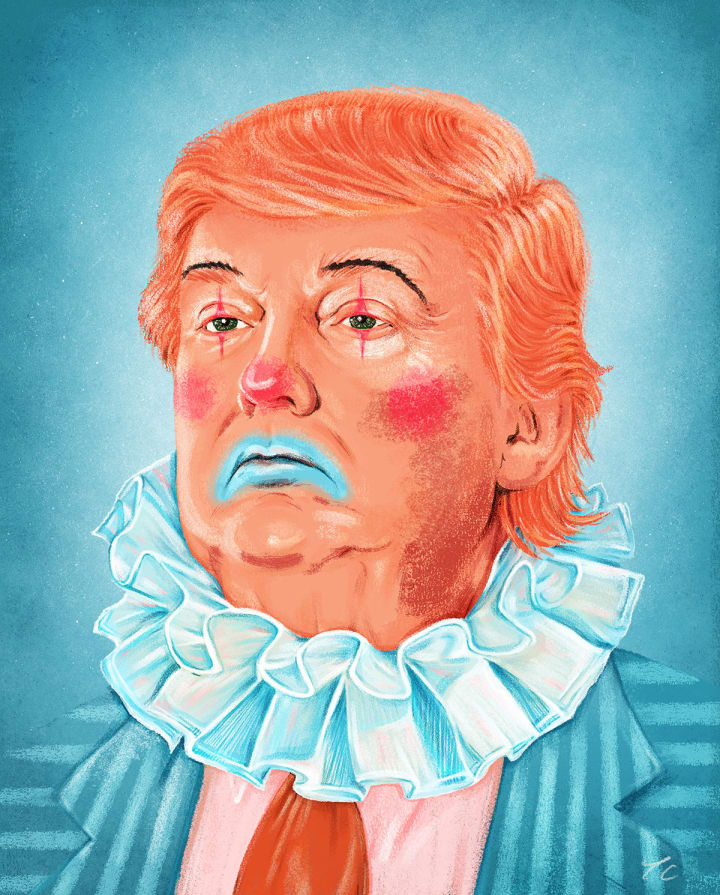
"Pieces of meat"
by Jo Breese
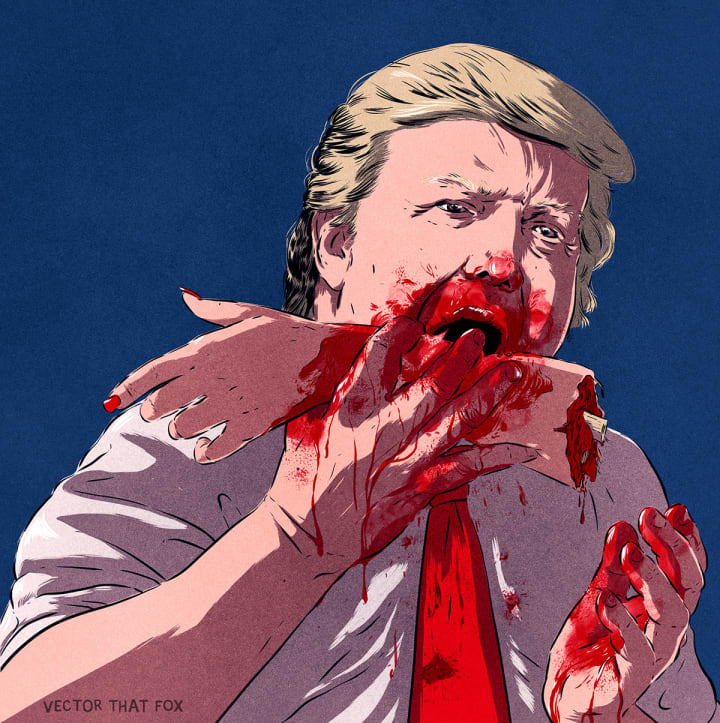
The Donald

Trump
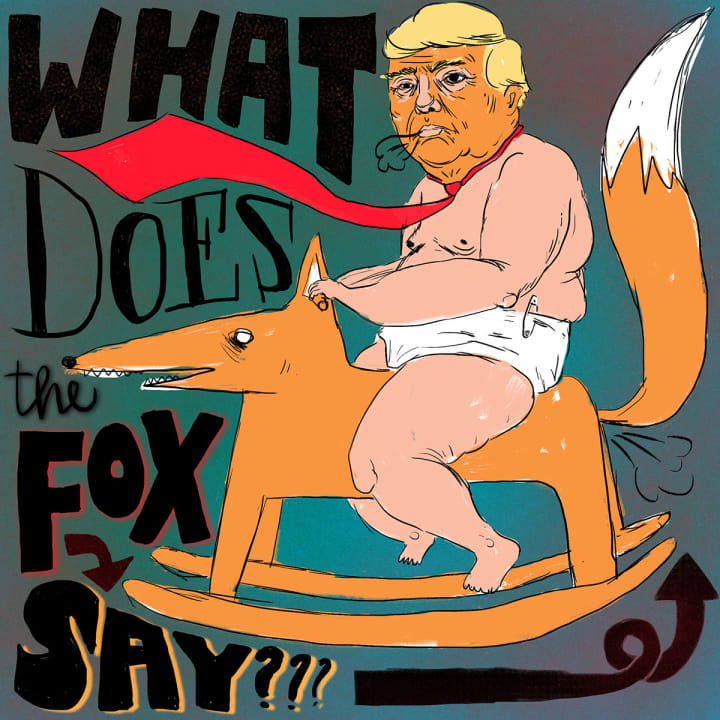
by Emese Kovács
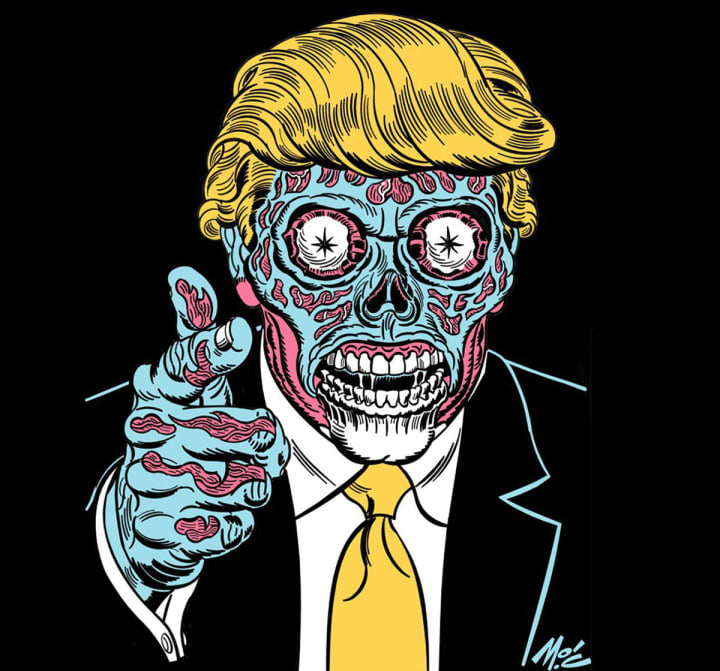
Donald Trump Zombie T-Shirt
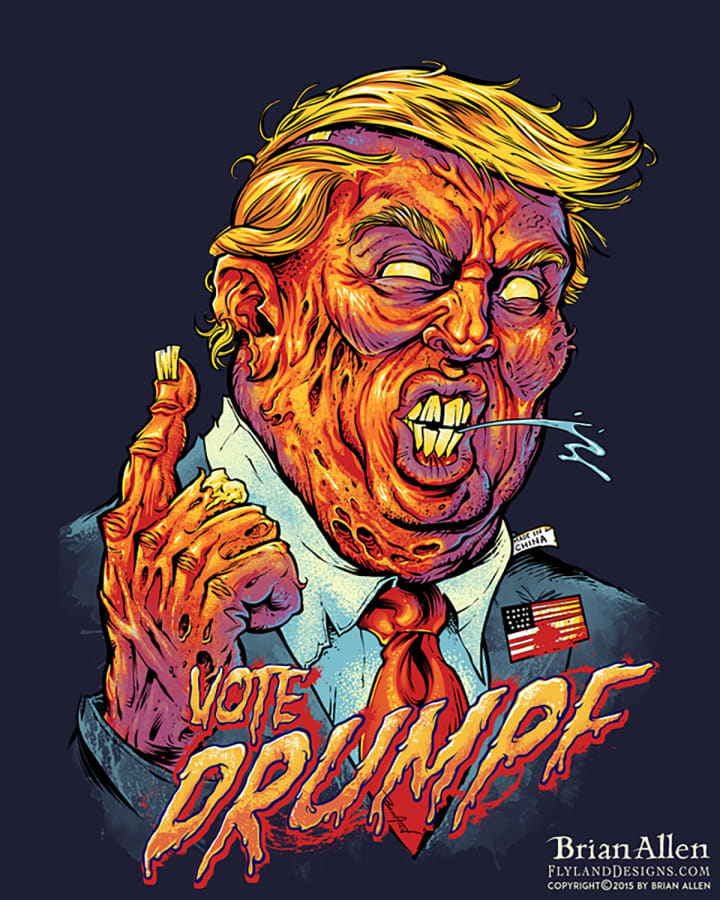
by Brian Allen
Trump Can't Swim
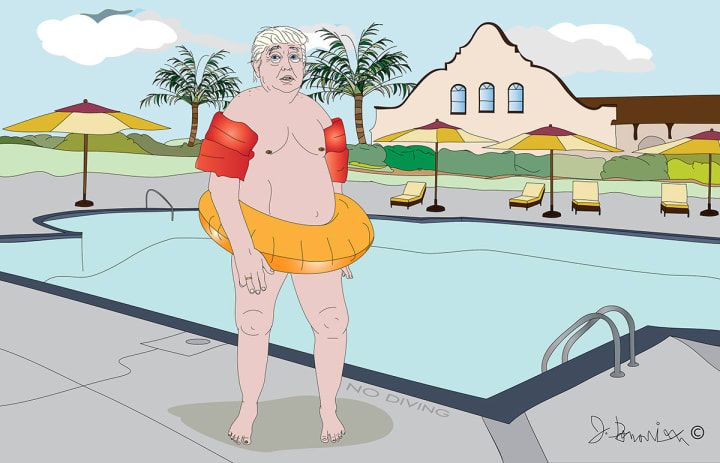
Cherry Vanilla (Trump Portrait)

make everything great again

Devil Trump

by Kirsten Ulve
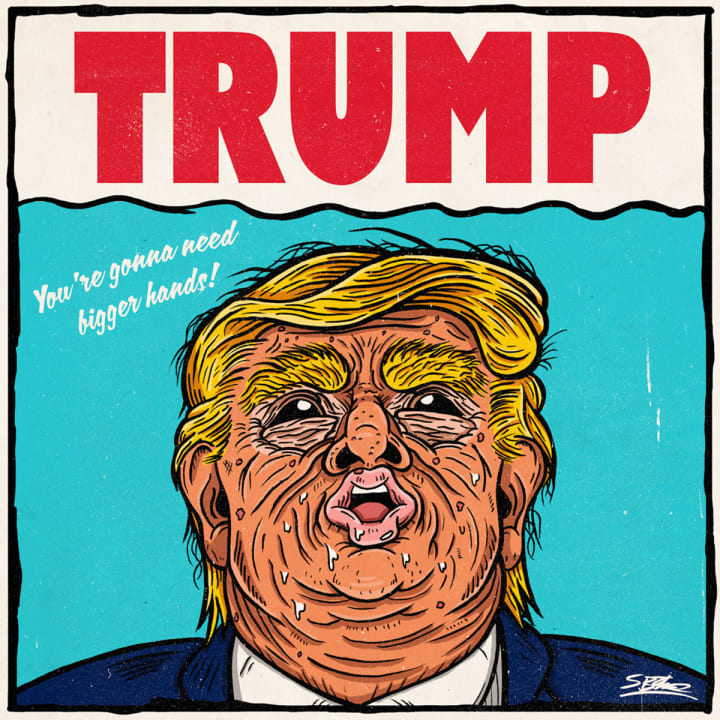
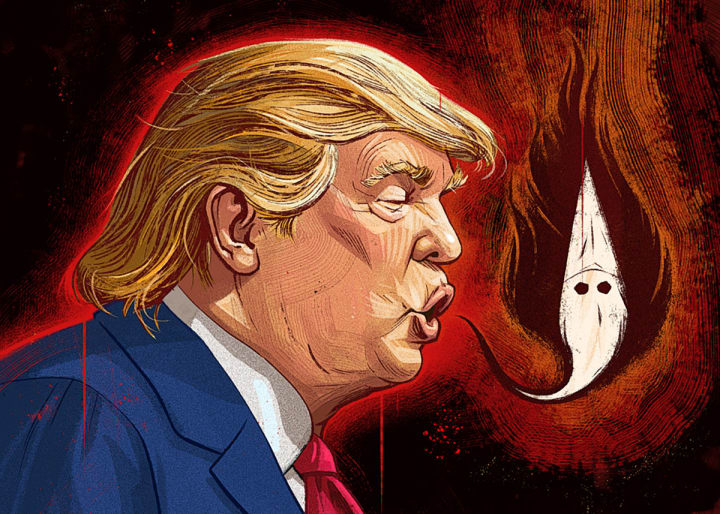
Tongue-tied

by Mr Cup
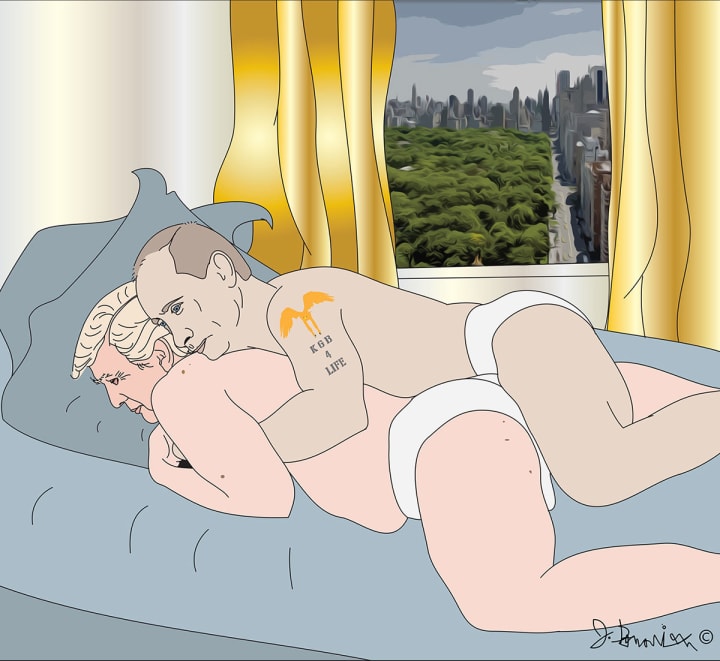
Bromance
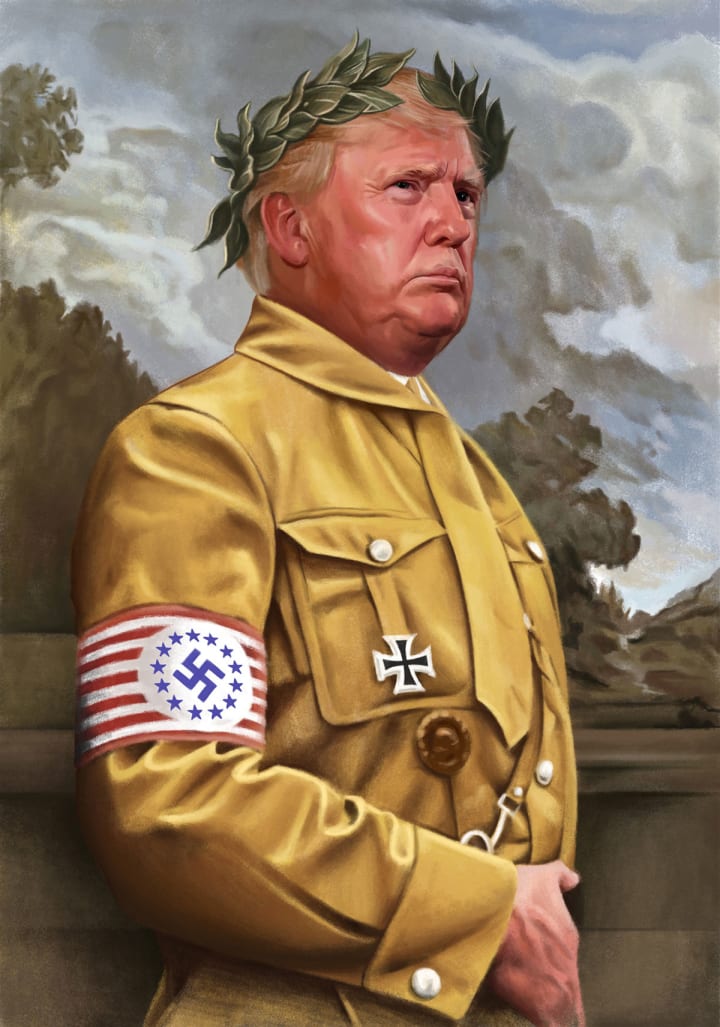
Trump Nazi

Trump Shaker
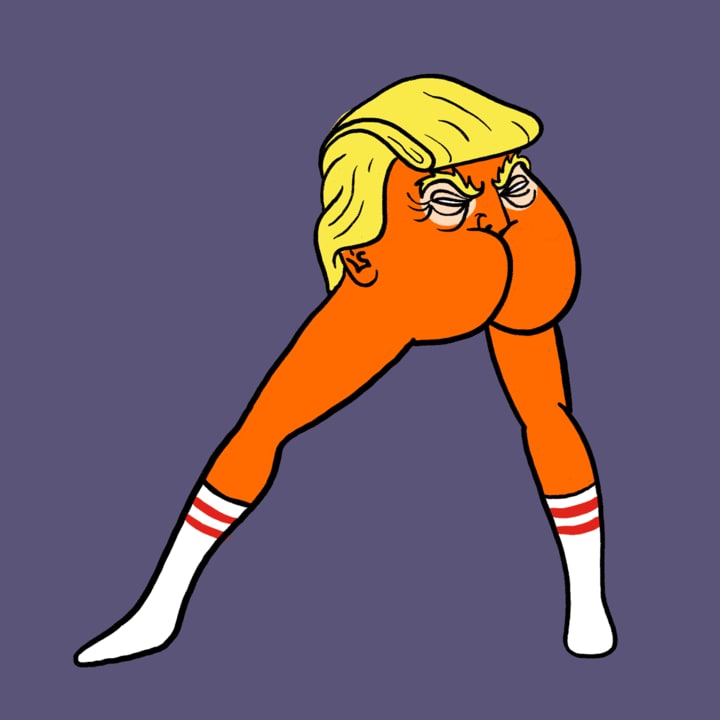
Upday

Nude Trump

by Illma Gore
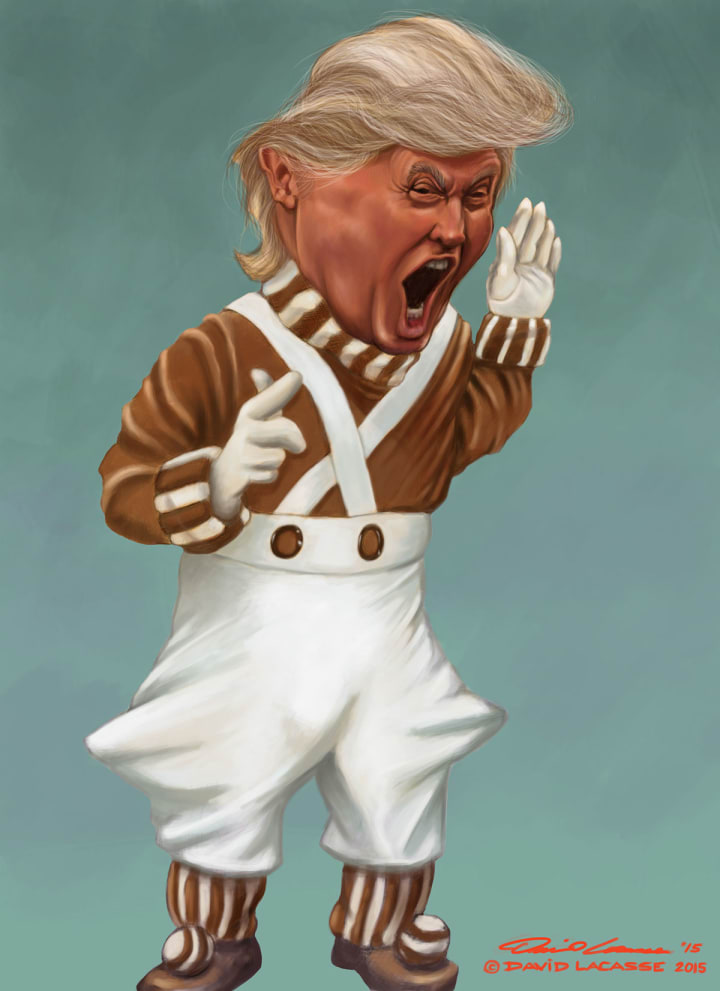
Angry Ooomp Loompa
Donald Trump
by Franco Nieri
Trump Talk
by Eugene Smith
A Day in the Life
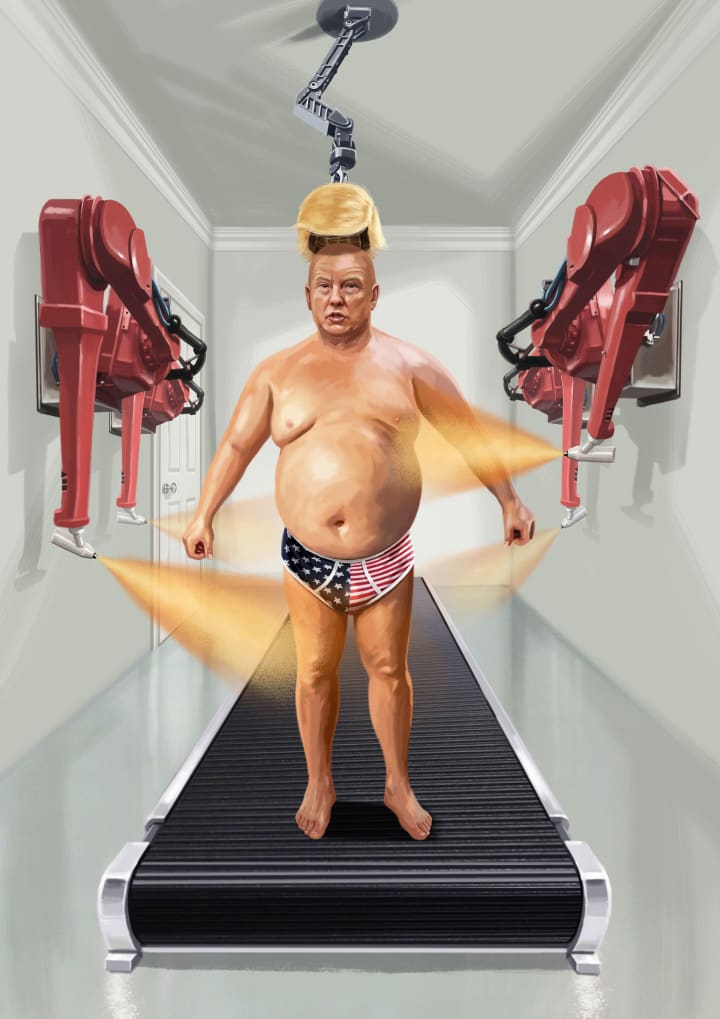
by Steve Ash
TRUMPET

by sidd wills
Trump Rally

About the Creator
A. Walter Cox
Keep reading
More stories from A. Walter Cox and writers in The Swamp and other communities.
Deadlines Aren’t to Be Trifled With
The Invisible Line Between Success and Excuses Deadlines are not suggestions. They are not flexible promises. And they are certainly not optional. In a world that moves faster every day, deadlines have become the invisible line separating those who build careers from those who explain why they couldn’t. While talent, creativity, and intelligence matter, they mean very little if they are not delivered on time. Deadlines are not about pressure. They are about trust. Miss one, and you don’t just delay a task—you weaken your credibility. Why Deadlines Exist (And Why They Matter More Than Ever) Deadlines exist because time is the one resource no one can recover. Money can be earned again. Opportunities can return. Energy can be restored. But time? Once gone, it is gone forever. Deadlines create structure in chaos. They allow collaboration to function, projects to move forward, and systems to stay reliable. In modern workplaces, remote environments, creative industries, and digital platforms like Vocal Media, deadlines are the backbone of professionalism. Without deadlines, progress collapses into intention. Deadlines Are a Measure of Character Meeting deadlines is not just about organization—it’s about integrity. When you commit to a deadline, you are making a promise. Not just to a manager, a client, or an editor—but to yourself. People who consistently meet deadlines demonstrate: Discipline Reliability Respect for others’ time Emotional maturity Those who constantly miss them often reveal: Poor planning Procrastination Lack of accountability Overconfidence without execution Talent without discipline is noise. The Myth of “I Work Better Under Pressure” Many people romanticize last-minute work. They claim pressure fuels creativity, urgency sharpens focus, and chaos brings brilliance. This is mostly a lie we tell ourselves to justify procrastination. While short bursts of pressure can spark energy, living deadline-to-deadline creates: Burnout Inconsistent quality Missed details Chronic stress True professionals don’t rely on panic. They rely on preparation. Deadlines and the Psychology of Respect Missing a deadline communicates something very specific—even if you don’t mean it to. It says: “My time matters more than yours.” This is why missed deadlines frustrate teams, clients, and editors more than mistakes. Errors can be corrected. Delays disrupt everyone else’s plans. When you respect deadlines, you show respect for: The workflow The people involved The process Deadlines are social contracts. Why Successful People Take Deadlines Personally High performers don’t see deadlines as external pressure. They internalize them. For them: A deadline is a target A commitment is a promise A delay is a personal failure This mindset is not about perfection—it’s about pride in execution. They understand a simple truth: Consistency beats intensity. The Cost of Ignoring Deadlines Missing deadlines doesn’t always bring immediate consequences. That’s what makes it dangerous. At first: People forgive Extensions are granted Explanations are accepted But slowly: Trust erodes Opportunities shrink Your name stops being mentioned You are not fired in one moment. You are forgotten over time. Deadlines in the Creative World: Freedom With Responsibility Creativity often rebels against structure. Artists, writers, and thinkers fear deadlines will suffocate inspiration. In reality, deadlines do the opposite. They: Force clarity Prevent endless overthinking Turn ideas into finished work A creative idea that never ships is not art—it’s potential. Platforms like Vocal Media thrive on creators who can balance imagination with discipline. Inspiration may be unpredictable, but publishing must be reliable. Why “Almost Done” Is Not Done One of the most dangerous phrases in professional life is: “It’s almost finished.” Almost finished still misses the deadline. Deadlines don’t care about effort—they care about results. This doesn’t mean quality should be sacrificed, but it does mean perfectionism must be controlled. Progress beats paralysis. The Hidden Power of Early Delivery Meeting a deadline is good. Beating it is powerful. Early delivery: Builds reputation Creates breathing room Allows revisions Signals excellence People remember those who make their lives easier. Deadlines and Self-Discipline Self-discipline is not about motivation. Motivation fades. Discipline remains. Meeting deadlines consistently requires: Planning backward Breaking tasks into stages Eliminating distractions Saying no when necessary Discipline is a muscle. The more you use it, the stronger it becomes. Why Excuses Don’t Age Well Everyone has reasons. Not everyone has results. Excuses may work once. Maybe twice. Eventually, they define you. The professional world is harsh in one way: It remembers patterns, not intentions. Deadlines in the Age of Digital Speed Technology has shortened attention spans and increased expectations. Responses are expected faster. Workflows move quicker. Deadlines shrink. This isn’t fair—but it is real. Those who adapt thrive. Those who resist complain. Time literacy is the new intelligence. How to Build a Deadline-Proof System To never fear deadlines again: Plan early – Start before you feel ready Break work into chunks – Small wins reduce overwhelm Set personal deadlines earlier than required Track time honestly – Guessing leads to delays Protect focus – Multitasking kills momentum Deadlines aren’t beaten by talent—they’re beaten by systems. The Emotional Side of Deadlines Deadlines also test emotional regulation. Stress, anxiety, and fear often cause delays more than laziness. Learning to work through discomfort is a skill. Professionals don’t wait to feel good to work. They work, and feeling good follows. Deadlines and Reputation: Your Silent Resume Your resume tells people what you can do. Your deadline history tells them whether they should trust you. In many careers, reputation matters more than credentials. People hire, promote, and recommend those who deliver. Why Deadlines Shape Identity Over time, how you handle deadlines becomes part of who you are. You become: “Reliable” “Difficult” “Always late” “Solid under pressure” These labels stick longer than you think. The Final Truth About Deadlines Deadlines are not enemies. They are mirrors. They show you: How you manage yourself How you value others How serious you are about your goals Respecting deadlines is not about obedience. It’s about ownership. Conclusion: Time Is Watching The world does not pause. Opportunities do not wait. Deadlines do not negotiate. You either meet them—or you explain why you didn’t. And over time, explanations lose value. Respect time, and time will reward you. Ignore it, and it will move on—without you.
By Zahid Hussain4 days ago in The Swamp
Major Step: French MPs Vote to Ban Social Media for Under-15s,
Historic Vote in France French lawmakers recently took a major step in digital regulation by voting in favor of a bill that would ban social media platforms for children under 15. The measure, aimed at protecting young users from the risks of excessive screen time, online harassment, and exposure to inappropriate content, has been hailed as a significant move toward safeguarding youth in the digital age. The bill passed with broad parliamentary support, reflecting growing public concern over the impact of social media on children’s mental health and development. Why the Bill Was Proposed The proposed legislation comes amid increasing evidence linking social media use to negative outcomes in young people, including: Anxiety and depression caused by cyberbullying and social comparison Sleep disruption and reduced physical activity Exposure to harmful content, including violence and misinformation Potential addictive behaviors linked to excessive screen time French MPs argued that children under 15 may lack the maturity and judgment to navigate complex online environments safely, making a preventive measure necessary. Key Provisions of the Bill The new law, if enacted, will require social media platforms to implement age verification systems and ensure compliance with usage restrictions. Key provisions include: Prohibiting registration and active participation for users under 15 Enforcing parental consent mechanisms for older teenagers Imposing fines or penalties on platforms that fail to comply The bill aligns with a broader European effort to increase digital safety regulations, including stricter privacy rules and protection against harmful online content. Reaction from Parents and Educators Parents and educators have expressed strong support for the legislation. Many believe that social media can pose risks to children’s mental and emotional well-being and welcome government intervention. Parents appreciate the clarity and boundaries set by the law, seeing it as a tool to guide healthy online habits. Educators note that young children are increasingly distracted by social media, affecting learning and classroom focus. However, some critics argue that enforcing the ban may be challenging, given the widespread use of smartphones and access to apps through family devices. Social Media Companies Respond Major social media platforms have reacted cautiously to the legislation. Companies must now consider how to implement robust age verification systems without violating privacy laws or alienating users. Some platforms are exploring technological solutions, such as AI-driven age verification and parental control dashboards, but critics warn that children may find ways to bypass these measures. The law is also likely to influence social media regulation globally, as other countries watch France’s approach to protecting children online. Potential Challenges and Criticisms While the bill has been widely praised, several challenges remain: Technical enforcement: Ensuring children under 15 cannot create accounts or access content is complex. Privacy concerns: Age verification systems may require sensitive data, raising concerns about data protection. Social impact: Critics argue that limiting social media access may reduce digital literacy or social connection for young people. Despite these challenges, lawmakers insist that protecting mental health and safety takes precedence, emphasizing the long-term benefits of the legislation. Comparisons with Other Countries France is not the first country to consider restricting social media for minors, but it is among the most proactive in Europe. For example: United Kingdom: Proposals for age limits and parental consent have been debated but not fully implemented. United States: Social media platforms offer parental control features but no nationwide age ban exists. Australia: Initiatives focus on cyberbullying and digital literacy rather than full restrictions. France’s approach may serve as a model for other nations grappling with youth digital safety. Implications for Communities The law has far-reaching implications for families, schools, and digital communities: Parents may feel empowered to monitor and guide children’s online activity. Schools could integrate digital literacy programs alongside restrictions to ensure safe use. Communities may experience shifts in youth social interaction, as alternative offline activities are encouraged. Experts highlight that legislation alone cannot solve all issues, stressing the importance of education, dialogue, and community support in raising digitally responsible children. Public Debate and Future Steps The vote has sparked nationwide debate, with supporters emphasizing child protection and mental health, while opponents caution about freedom of choice and practical implementation. The next steps include: Final approval in the upper house of Parliament Collaboration with social media companies to develop compliant systems Public education campaigns to help families navigate the new regulations If enacted, the law would mark a historic shift in digital policy, reinforcing France’s commitment to protecting young users in an increasingly online world. Conclusion The decision by French MPs to vote in favor of banning social media for children under 15 is being hailed as a major step in child protection and digital safety. While challenges in enforcement and privacy remain, the legislation reflects growing societal concern over the impact of social media on youth mental health, education, and development. As the bill moves through further legislative processes, families, educators, and communities will need to adapt to new standards, ensuring that children can enjoy the benefits of technology without being exposed to unnecessary risks. France’s approach could also inspire global discussions about digital safety, serving as a potential blueprint for countries seeking to balance connectivity with child protection.
By Aarif Lashari7 days ago in The Swamp




Comments (1)
🎉 Congrats on getting Top Story! 🌟 So well deserved — I’m super proud of you! 🙌💖 I seriously can’t wait to read the next one… I know it’s gonna be just as amazing! ✍️🔥 Keep shining! 💫