
Drone Strikes in Sudan’s Kordofan Region Take a Toll on Civilians and Aid Operations
Formal / News Style Unmanned attacks disrupt humanitarian relief and endanger civilian lives Ongoing drone strikes worsen security and access for aid workers 🔹 Neutral & Informative Civilians face rising casualties as aid operations struggle to operate safely Drone activity intensifies challenges for humanitarian agencies in Kordofan 🔹 Impactful Conflict and technology combine to imperil civilians and aid missions

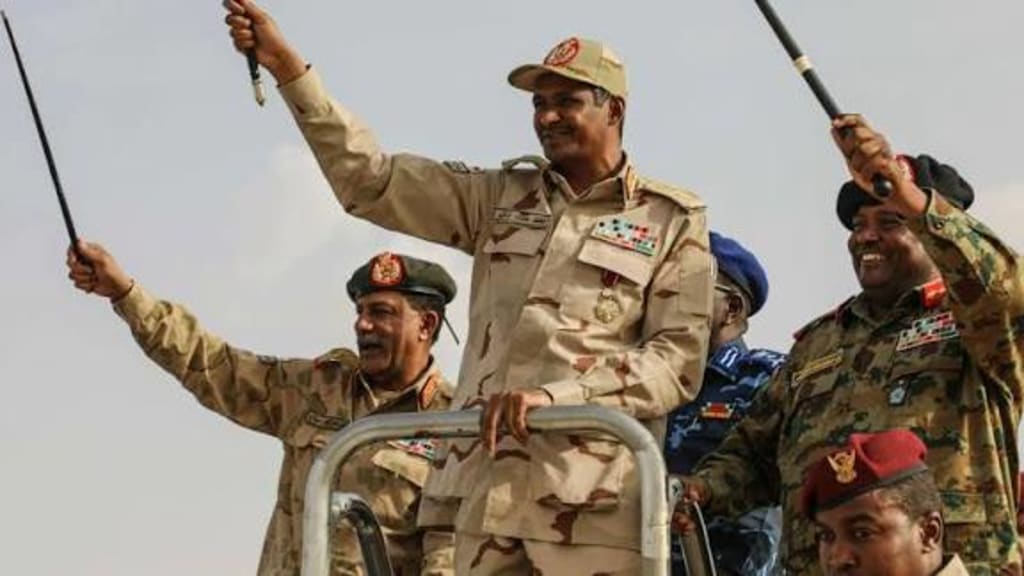
Drone strikes in Sudan’s Kordofan region have intensified in recent weeks, leaving a mounting toll on civilians and complicating already fragile humanitarian operations. Local authorities, aid workers, and independent observers report that the use of unmanned aerial weapons in populated areas has disrupted everyday life, displaced families, and hindered efforts to deliver food, medical supplies, and basic services.
Surge in Drone Activity
Residents and humanitarian agencies say that drone strikes—attributed to military forces and allied armed groups operating in Kordofan—have become more frequent and seemingly less discriminating in their targets. The strikes have hit villages, marketplaces, and roads used by civilians, leading to significant loss of life and property.
A spokesperson for a local community group described the mood in affected areas as one of fear and uncertainty. “People no longer feel safe even in their homes,” the spokesperson said. “We hear the hum of drones overhead, and every strike threatens a civilian area.”
Doctors and nurses at clinics in the region report treating increasing numbers of patients with injuries consistent with drone munitions, including shrapnel wounds, blast trauma, and burns. Hospitals operating with limited supplies are overwhelmed, forcing staff to ration care.
Impact on Humanitarian Operations
The drone strikes have severely disrupted humanitarian aid delivery. Convoys carrying food, water, and medical supplies have been forced to reroute or halt operations due to safety concerns. Aid groups operating in the region, including both Sudanese and international organizations, warn that the ongoing strikes are making it increasingly difficult to reach populations in need.
A senior aid official working in Kordofan said that the presence of active drone operations has made it nearly impossible to negotiate safe corridors. “When drones are present, vehicles and personnel are at risk,” the official said. “We cannot justify sending teams into areas where we have no guarantee of protection.”
The strikes have also driven displacement, compounding an already fragile situation. Families fleeing danger have sought shelter in makeshift camps, where overcrowding, poor sanitation, and a lack of services pose additional health risks.
Civilian Casualties
While accurate figures remain difficult to verify, local sources and humanitarian monitors estimate that dozens of civilians have been killed or injured in recent strikes. Among the victims are children and elderly residents who were not involved in any armed activity.
One survivor recounted how a drone strike hit a small market, killing relatives and neighbors who had gathered to buy basic supplies. “We were just trying to get food for our family,” the survivor said. “Then the explosion came. Everything changed in an instant.”
Human rights organizations have documented cases where drone strikes appear to have hit areas well outside active conflict zones, raising concerns about the standards used to select targets and the safeguards in place to protect civilians.
International and Regional Response
The escalation in drone strikes has drawn condemnation from human rights groups and diplomatic representatives. Calls for restraint and accountability have intensified, with some observers urging increased monitoring and reporting mechanisms to document potential violations of international humanitarian law.
However, external pressure has so far had limited impact on the conduct of military actors in the Kordofan region. Analysts note that the use of drones, including both surveillance and armed systems, has become a tactical preference for forces seeking to project power without exposing personnel.
Neighboring countries and regional organizations have expressed concern that instability in Sudan could have spillover effects, including increased refugee flows and cross-border tensions. Efforts to broker ceasefires or limited truces have repeatedly stalled, in part due to mistrust between combatants.
Humanitarian Challenges
Aid groups stress that the consequences of continued drone strikes extend beyond immediate casualties. Supply shortages, economic disruption, and psychological trauma are creating layers of long-term hardship. Children in affected areas face interrupted schooling, food insecurity, and increased vulnerability to disease.
A field coordinator for an international relief agency said that adapting to the changing security environment has required constant adjustments. “We are trying to innovate, adjust routes, and pre‑position supplies where possible,” the coordinator said. “But the unpredictability of drone strikes makes it extremely hard to plan effectively.”
Looking Ahead
As fighting and drone use continue, humanitarian needs are expected to grow. Observers warn that without a reduction in hostilities and meaningful diplomatic engagement, the conflict in Kordofan will continue to exact a heavy toll on civilians already struggling with poverty and displacement.
Human rights advocates insist that all parties to the conflict must respect international law and protect non‑combatants. Aid agencies are appealing for renewed diplomatic efforts, greater protection for humanitarian workers, and expanded mechanisms to document and respond to abuses.
The situation in Kordofan remains volatile, with no immediate end in sight to the drone strikes and their devastating impact on civilian life and relief operations. As the conflict unfolds, the toll on ordinary families and humanitarian responders alike continues to deepen.
About the Creator
Fiaz Ahmed
I am Fiaz Ahmed. I am a passionate writer. I love covering trending topics and breaking news. With a sharp eye for what’s happening around the world, and crafts timely and engaging stories that keep readers informed and updated.
Keep reading
More stories from Fiaz Ahmed and writers in The Swamp and other communities.
France’s Billion-Euro Edge in the Race to Sell Four Cutting-Edge Frigates to Sweden
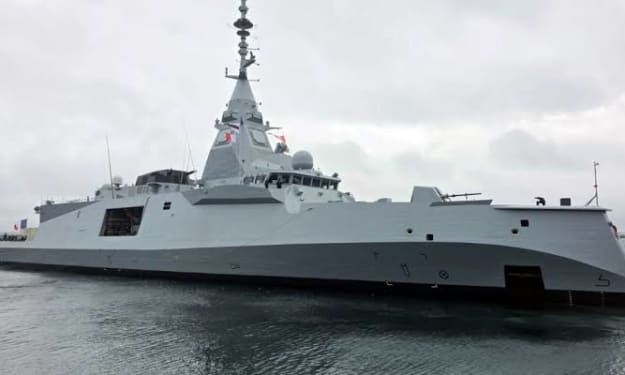
France is reportedly leading the competition to supply Sweden with four next-generation frigates, positioning itself ahead of rival bidders with a combination of advanced technology, cost efficiency, and strong political backing. The potential deal, valued at over €1 billion, underscores France’s ambition to expand its naval export footprint while strengthening defense ties with Nordic countries. Advanced Capabilities Drive French Advantage Sources close to the procurement process say that France’s proposed frigates feature state-of-the-art stealth designs, integrated missile defense systems, and versatile modular capabilities that allow the vessels to perform multiple roles—from anti-submarine warfare to air defense and humanitarian operations. “The French offering combines proven technology with operational flexibility,” said a defense analyst familiar with the bid. “Sweden sees value not only in the platforms themselves but in the long-term support and upgrades that France can provide.” The proposed frigates are designed for interoperability with NATO fleets and incorporate advanced electronic warfare systems, radar, and sonar arrays. Analysts note that modular mission bays could allow Sweden to adapt the vessels for emerging threats, an increasingly important factor as maritime security dynamics evolve in the Baltic Sea region. Cost and Industrial Considerations France’s edge is not only technical. Officials indicate that the French bid is economically competitive, offering favorable financing terms, domestic industrial participation, and long-term maintenance contracts. Swedish authorities have emphasized that value for money and lifecycle costs are critical in their evaluation. French shipbuilders have reportedly pledged to involve Swedish firms in key subsystems, creating local jobs and fostering industrial cooperation. This approach contrasts with other bidders, whose proposals may rely more heavily on imported components, limiting domestic benefits for Sweden. Political Backing Political support has also reinforced France’s position. Senior French officials have actively engaged with Swedish counterparts, highlighting shared defense priorities, regional security concerns, and the benefits of a strategic partnership. Analysts suggest that strong diplomatic engagement may have tipped the balance in France’s favor compared with competitors. “Deals of this magnitude are rarely won on technology alone,” said a European defense expert. “Political alignment, industrial cooperation, and strategic signaling all play a role.” Competition from Other Nations France faces competition from other European shipbuilders, including Germany, Italy, and the Netherlands, each offering advanced frigate designs with varying capabilities and cost structures. German and Dutch vessels are known for reliability and modular design, while Italian designs emphasize speed and versatility. However, sources indicate that Sweden views France’s combination of technology, support package, and financing as superior to other options. Preliminary evaluations reportedly favor the French bid, though Swedish officials caution that the final decision will consider technical trials, political factors, and long-term operational costs. Strategic Implications For France, securing this deal would reinforce its position as a major naval exporter in Europe, complementing ongoing programs with other NATO allies. Analysts say it could also strengthen defense ties in the Baltic region, a strategically sensitive area given recent geopolitical tensions. For Sweden, acquiring French frigates would provide a leap in capability, enhancing its maritime security and interoperability with allied forces. The decision also signals a commitment to modernizing its fleet amid evolving threats in Northern Europe, including submarine incursions and missile proliferation. Next Steps Swedish authorities are expected to conduct technical trials and further assessments before announcing a formal contract. While the French bid currently leads, officials stress that the process remains competitive and that evaluations will be thorough, balancing capability, cost, and long-term strategic value. Conclusion France’s combination of advanced frigate technology, competitive financial terms, and strong political engagement gives it a clear edge in Sweden’s multi-billion-euro naval procurement program. The decision will not only shape the future of the Swedish fleet but also influence European naval industry competition and regional defense cooperation for years to come.
By Fiaz Ahmed 2 days ago in The Swamp
The Saddest Thing - The Billionaires Who Rule America Aren't Even Enjoying Themselves
This single post says more about our ruling class than a thousand policy papers. The saddest thing about today's system is that the men robbing the rest of us - sabotaging our economic prospects, our pensions, our access to affordable healthcare - are not even happy.
By Scott Christenson🌴14 days ago in The Swamp
📢 Raise Your Voice Thread: 02/19/2026
Our “Raise Your Voice Threads” are hosted most alternating Thursdays at 12PM ET to offer creators more avenues to uncover exceptional stories on Vocal. As we are continuously searching for fresh creators and inspiring stories, this thread provides an opportunity to exchange and discuss the stories that have moved and motivated us on Vocal.
By Raise Your Voice by Vocala day ago in Resources



Comments
There are no comments for this story
Be the first to respond and start the conversation.