
Former Prince Andrew Released but Still Under Investigation After Arrest Following Epstein Revelations
Legal scrutiny deepens as the Duke of York faces renewed questions over his ties to Jeffrey Epstein, testing royal accountability and public trust.
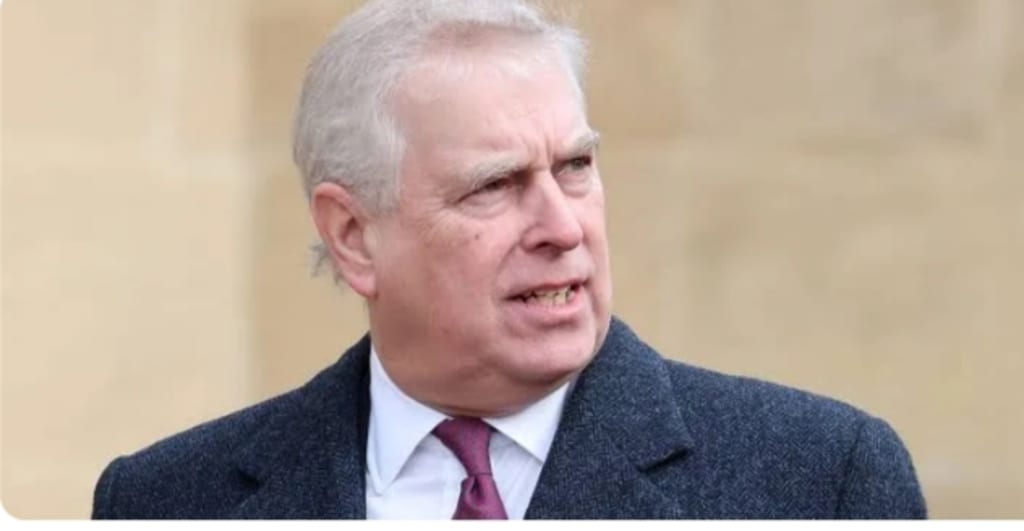
The legal and reputational turmoil surrounding Prince Andrew, the Duke of York, has entered yet another turbulent chapter. Following a brief but highly publicized arrest connected to renewed scrutiny over his past association with convicted sex offender Jeffrey Epstein, Prince Andrew has been released from custody. However, authorities confirmed that investigations remain ongoing, leaving the embattled royal figure in a state of legal limbo and public uncertainty.
The arrest, which unfolded amid mounting pressure from advocacy groups and fresh disclosures related to Epstein’s network, marks a significant escalation in a controversy that has shadowed the Duke for years. While officials have not publicly disclosed the full scope of the allegations prompting the detention, they emphasized that the inquiry centers on potential new evidence tied to Epstein’s activities and associations.
A Long-Standing Controversy Resurfaces
Prince Andrew’s relationship with Epstein has been the subject of scrutiny since Epstein’s initial conviction in 2008 for sex offenses involving minors. The Duke has consistently maintained that while he knew Epstein, he was unaware of the financier’s criminal conduct. Despite these assertions, photographic evidence, flight logs, and testimony from alleged victims have repeatedly placed Andrew within Epstein’s social orbit during the height of the latter’s influence.
Public pressure intensified following Epstein’s arrest in 2019 on federal sex trafficking charges and his subsequent death in jail while awaiting trial. In the years since, court documents, depositions, and civil litigation have continued to shed light on the network of powerful individuals associated with Epstein. Among the most prominent names linked to the case has been Prince Andrew.
The Duke’s 2019 televised interview, intended to clarify his position, instead deepened public skepticism. Critics argued that his explanations lacked empathy for victims and failed to convincingly address inconsistencies in his account. The fallout was swift: he stepped back from official royal duties and gradually retreated from public life.
The Arrest and Release
The recent arrest reportedly followed the surfacing of additional materials reviewed by investigative authorities. While sources indicate that the detention was procedural and conducted as part of evidence evaluation rather than a formal charge, its symbolic weight was undeniable. For the first time, a senior member of Britain’s royal family was temporarily taken into custody in connection with the Epstein saga.
After several hours of questioning, Prince Andrew was released pending further inquiry. Officials clarified that release does not equate to exoneration. Instead, investigators are continuing to analyze documents, digital records, and witness statements that may determine whether additional legal action is warranted.
Legal experts note that high-profile investigations involving international jurisdictions and decades-old allegations are often complex and prolonged. Cooperation between British and American authorities has been described as “active,” though no formal charges have been announced in either country.
Royal Implications
The renewed scrutiny places the British monarchy in a delicate position. Since the death of Queen Elizabeth II and the accession of King Charles III, efforts have been made to modernize and streamline the royal institution. Prince Andrew had already relinquished his honorary military titles and royal patronages amid earlier controversies. He has not participated in official state functions in recent years.
Nevertheless, the Duke retains his title and remains a member of the royal family. The current investigation threatens to reopen debates about accountability, privilege, and transparency within longstanding institutions. Critics argue that the monarchy’s credibility hinges on demonstrating that no individual is above the law, regardless of rank or lineage.
Public opinion polls conducted over recent years show significant erosion of support for Andrew personally, though broader support for the monarchy remains comparatively resilient. The palace has thus far declined detailed comment, reiterating only that legal matters are being handled independently of the royal household.
Civil Litigation and Settlements
In 2022, Prince Andrew reached an out-of-court settlement in a civil lawsuit filed by Virginia Giuffre, one of Epstein’s most vocal accusers. Giuffre alleged that she was trafficked and abused by Epstein and forced to have sexual encounters with Andrew when she was a minor. The Duke denied the allegations but agreed to a financial settlement, which included a statement expressing regret for his association with Epstein and support for victims of abuse.
Though the settlement resolved the civil case, it did not constitute an admission of guilt. Importantly, it also did not shield Andrew from potential criminal investigation should authorities uncover sufficient evidence. The latest developments suggest that investigative bodies are still evaluating information that may have emerged from broader Epstein-related proceedings.
The Broader Context
The Epstein case continues to reverberate globally, implicating powerful individuals across finance, politics, academia, and entertainment. Each new disclosure has prompted renewed calls for accountability and transparency. Advocacy groups argue that justice for victims requires persistent investigation, regardless of the status of those involved.
For Prince Andrew, the stakes are both legal and existential. Even absent formal charges, the damage to his public image has been profound. His withdrawal from public duties, reported loss of security privileges funded by the state, and exclusion from key royal ceremonies underscore the personal and institutional cost of the controversy.
Legal analysts caution against premature conclusions. Arrests during investigative processes do not automatically imply guilt, and due process remains central to any democratic legal system. At the same time, the symbolic power of a royal arrest underscores how deeply the Epstein scandal has penetrated elite circles.
What Comes Next?
Investigators have indicated that the review of evidence may take months, if not longer. Cross-border cooperation, witness availability, and evidentiary standards will all shape the trajectory of the inquiry. Should prosecutors determine that charges are warranted, the case could set a historic precedent for the legal accountability of a senior royal.
In the meantime, Prince Andrew remains under a cloud of uncertainty. Though released from custody, he faces continued examination and public scrutiny. For the monarchy, the situation represents a test of transparency and institutional resilience. For victims of Epstein’s crimes, it is another step in a long and painful pursuit of answers.
As the investigation unfolds, one reality is clear: the Epstein revelations continue to cast long shadows, and their consequences remain far from settled.
About the Creator
The Saddest Thing - The Billionaires Who Rule America Aren't Even Enjoying Themselves
This single post says more about our ruling class than a thousand policy papers. The saddest thing about today's system is that the men robbing the rest of us - sabotaging our economic prospects, our pensions, our access to affordable healthcare - are not even happy.
By Scott Christenson🌴14 days ago in The Swamp



Comments
There are no comments for this story
Be the first to respond and start the conversation.