
Germany and France Choose Two Sharply Different Paths for Their Armies, Especially on Tank Warfare
Formal / News Style Diverging strategies highlight contrasting views on the future of armored warfare Paris doubles down on heavy armor as Berlin prioritizes mobility and integration 🔹 Neutral & Informative Defense reforms reveal different approaches to modern battlefield requirements Two allies pursue contrasting military modernization plans 🔹 Impactful Europe’s leading armies rethink tanks in very different ways

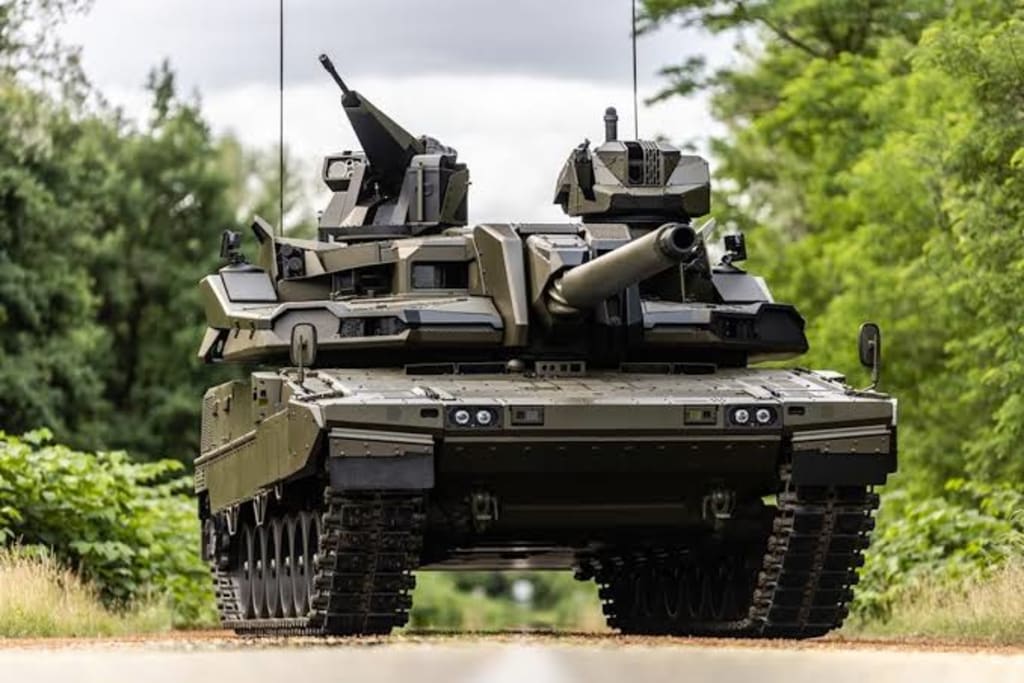
Germany and France are charting markedly different courses in the modernization of their armed forces — particularly in how they approach tank warfare — reflecting diverging strategic priorities, budgetary pressures, and assessments of future battlefield requirements.
As European security dynamics evolve in the wake of Russia’s war in Ukraine, both nations are rethinking traditional ground combat capabilities. But where France opts to sustain and enhance heavy armored formations, Germany is pursuing a more cautious path that prioritizes systems integration, mobility, and broad coalition interoperability over independent heavy armor investments.
France’s Heavy Armor Emphasis
France remains committed to maintaining a robust armored force centered around its Leclerc tank, widely considered one of Europe’s most capable main battle tanks. Modernization efforts include upgrading protection systems, networking capabilities, and fire control — ensuring the platform stays relevant against advanced threats.
French Army officials argue that heavy armor remains a cornerstone of deterrence and high-intensity conflict capability. “We see armored battalions as essential for both deterrence and decisive action in the event of major conflict,” said a senior French defense analyst. “Tanks and tracked vehicles provide survivability and shock effect that lighter forces cannot match.”
Paris has integrated its armor strategy into broader reforms of its French Armed Forces, including investments in mechanized infantry, artillery modernization, and unmanned systems that support armored maneuver warfare. The French approach reflects confidence that tanks, properly networked and supported, will remain relevant even as battlefield technologies evolve.
Germany’s Different Direction
In contrast, Germany has adopted a more nuanced stance on heavy armor. While Germany continues to operate modern Leopard 2 tank tanks — including those supplied to Ukraine — it has placed a stronger emphasis on mobility, logistical flexibility, and long-range fires.
German defense policy documents outline a vision of forces that can integrate seamlessly into NATO operations, contribute to expeditionary missions, and provide rapid reinforcement rather than field-heavy armored brigades intended for sustained independent high-intensity combat.
“Germany’s strategic environment and defense doctrine have shifted,” said a Berlin-based defense expert. “The priority is interoperability, air mobility, and combined arms rather than defaulting to a tank-centric force structure.”
This shift does not mean Germany is abandoning tanks entirely — rather, it is balancing armored capability with investments in drones, anti-tank guided missiles, electronic warfare, and cyber assets that support modern maneuver warfare without relying on sheer mass.
Diverging Budgets and Industrial Considerations
Budgetary realities also help explain the different paths. France has maintained relatively stable defense appropriations, enabling sustained investment in heavy platforms. Germany, however, has grappled with competing fiscal pressures, including energy transition costs and social spending priorities, alongside defense budget commitments.
The German defense industry is also adapting, focusing on technologies that complement NATO’s emphasis on integrated warfare across domains. German firms are investing in autonomous ground systems, sensor fusion technologies, and next-generation communication networks that extend battlefield awareness but do not necessarily translate into new tank programs.
Operational Perspectives
Operational experience in Ukraine has contributed to these assessments. Tanks have played a highly visible role on the battlefield, offering both protective platforms for crews and formidable firepower. But they have also faced vulnerabilities, particularly to drones, loitering munitions, and modern anti-armor weapons.
French military planners argue that proper combined arms integration — where tanks operate with infantry, close air support, and electronic warfare — mitigates these risks. German analysts are more inclined to emphasize tactics that reduce the exposure of heavy armor to sophisticated enemy sensors and guided weapons.
Allied Implications
The diverging paths have implications for NATO cohesion and European defense planning. France’s commitment to heavy armor supports alliance deterrence capability, while Germany’s emphasis on mobility and integration strengthens rapid reaction and interoperability. Allies generally welcome the complementary strengths but note that clear coordination is essential.
“Different approaches can be advantages if they fit into a coherent collective defense posture,” said an alliance official. “France and Germany each contribute capabilities that, together with other partners, form a balanced and resilient force.”
Conclusion
France and Germany’s contrasting decisions on their military futures — particularly regarding tank warfare — reflect differing historical experiences, strategic assessments, and resource environments. France’s sustained investment in heavy armor underscores its confidence in the continued relevance of tanks within combined operations. Germany’s broader, systems-focused approach prioritizes adaptability, mobility, and alliance integration.
As threats on Europe’s eastern flank and beyond continue to evolve, the success of these divergent paths — and how effectively they complement one another within collective defense frameworks — will shape European security for years to come.
About the Creator
Fiaz Ahmed
I am Fiaz Ahmed. I am a passionate writer. I love covering trending topics and breaking news. With a sharp eye for what’s happening around the world, and crafts timely and engaging stories that keep readers informed and updated.
Keep reading
More stories from Fiaz Ahmed and writers in The Swamp and other communities.
Russia-Ukraine peace talks end after two hours
Russia‑Ukraine Peace Talks End After Two Hours A brief and tense round of peace negotiations between Russia and Ukraine concluded on Wednesday after just two hours of closed‑door discussions, with both sides acknowledging that no substantive agreements were reached. The short duration of the talks reflects deep disagreements over core issues, even as international actors continue to urge both capitals to engage in more extensive diplomacy. Talks at a Glance The meeting, held in a neutral European capital under the auspices of international facilitators, brought together senior diplomats and military advisers from both sides. Expectations for progress had been modest, given the lack of tangible movement in recent negotiations. Still, observers hoped the talks might at least open a sustained dialogue. Instead, representatives spent the limited time reaffirming their positions on key points of contention, including territorial control, ceasefire commitments, prisoner exchanges, and security guarantees. Ukrainian negotiators emphasized the need for clear, verifiable commitments to end hostilities and restore sovereignty over territories currently under Russian control. Russian representatives reiterated their stance that any negotiated outcome must reflect Russia’s strategic interests and security concerns. Divergent Positions A senior Ukrainian official described the talks as “disappointing” but said Kyiv remains committed to finding a diplomatic path forward, even if it requires further rounds of negotiation. “We made our position clear,” the official said. “We cannot compromise on issues of territorial integrity and the rule of international law. Peace must be based on respect for Ukraine’s sovereignty.” A Russian delegate used similar language, framing Russia’s approach as grounded in security needs. “We continue to seek assurances that will prevent further escalation,” the delegate said. “But any agreement must be achievable and sustainable, not dictated by external pressure.” International Reaction International reaction was swift. United Nations diplomats expressed regret at the lack of progress and reiterated calls for renewed engagement. A spokesperson for the U.N. Secretary‑General said that the short meeting “underscores the complexity of the issues at stake” and renewed the appeal for both parties to prioritize diplomacy over continued conflict. European Union leaders also weighed in. Officials in Brussels described the talks as an important symbolic step but urged both sides to return to the negotiating table with “greater political will and flexibility.” The NATO echoed similar sentiment, stating that while military responses remain under consideration, diplomacy must remain a central component of efforts to end the war. Challenges on the Ground Despite international pressure to negotiate, fighting continues in multiple regions, with military analysts reporting ongoing clashes along the front line. Recent skirmishes have hindered humanitarian access and displaced civilians, complicating efforts by aid groups to deliver food, medicine, and shelter to affected communities. Security experts warn that without meaningful diplomatic breakthroughs, the conflict risks further entrenchment. “The war has hardened positions on both sides,” said a regional affairs analyst. “When leaders feel they have the upper hand or fear losing ground, it becomes harder to make the concessions necessary for peace.” Implications for Future Talks Despite the limited outcome, both sides indicated they are open to future sessions. Negotiators from Ukraine reportedly conveyed a willingness to meet again once preconditions related to ceasefire enforcement and international monitoring are addressed. Meanwhile, Russian officials suggested that further talks could occur, provided they include discussions on security guarantees and economic ties — issues Moscow has repeatedly emphasized. International mediators are now reviewing the brief session and preparing proposals for potential future negotiations. Among the options under consideration are confidence‑building measures — such as localized ceasefires and humanitarian corridors — that could ease tensions and create conditions conducive to broader peace discussions. Conclusion The two‑hour Russia‑Ukraine peace talks may have ended without agreement, but they did not mark the end of diplomatic efforts. Deep divisions on core issues remain a formidable barrier to peace. However, the very act of dialogue underscores that diplomacy continues to be pursued even amid active hostilities. For the millions affected by the conflict, the urgent need for a durable ceasefire and a negotiated settlement remains clear. Whether future talks can bridge the divide between entrenched positions will depend on a combination of international pressure, strategic reconsiderations, and political will on both sides. As negotiators return to their capitals, the world watches closely, hoping that the next round of diplomacy yields more than words and gestures — and instead yields a path toward lasting peace.
By Fiaz Ahmed about 6 hours ago in The Swamp
Why Black History Matters in America?
The United States of America is celebrating their 250th anniversary in 2026. I'm proud to be an American and as someone who was born here, I wouldn't imagine myself living anywhere else. This is a country where opportunities are possible. Where anyone can be successful in anything they desire to do. Equality, community, and togetherness are the backbones of what America is and should be about. However, we have an administration who wants to erase and disregard those who have made positive, meaningful impacts in our country, specifically Black figures, such as Martin Luther King, Jr., Rosa Parks, and Maya Angelou. President Trump and his administration have been constantly complaining and fighting against what they call the "Woke agenda". They use this excuse as a distraction from other issues they refuse to address, such as the high cost of living, climate change, and inflation. That equality is dividing America, when in reality, it's bringing us together. Being woke is not tied to a specific political party. No matter where you stand on the political spectrum, you can still care about other people and their plights. Compassion and empathy for others isn't tied to a political party, either. We were taught as children to treat others the way we want to be treated and not judge others because they're different from us. Caring about others isn't a personal attack on your beliefs. It doesn't make you any less of a person. People who are easily offended over African American figures, past or present, or anything related to it, are grasping at straws. Current and future generations need to know who people like Harriet Tubman and Shirley Chisholm were, especially in the classroom. Black History is part of American History. It should be recognized, not hidden or forgotten. Besides, you can't shield children from everything, just because your feelings are easily hurt.
By Mark Wesley Pritchard 17 days ago in The Swamp
Rhode Island Shooting: Grief, Fear, and Community Response
The words rhode island shooting carry a weight that is hard to explain unless you have felt it in your own neighborhood. A shooting does not only affect the people directly involved. It ripples through schools, homes, workplaces, and quiet streets that once felt safe. Parents hold their children a little tighter. Neighbors glance at each other with questions in their eyes. Fear settles in slowly, like a fog that refuses to lift.
By Muqadas khan2 days ago in The Swamp
The Tango Connection
I suppose I've become a writer so I wouldn't bore everyone to death telling them my stories. Reading them is reading. Not the same. There's rhythm. And timing and, most importantly, drama and suspense. Unless you have tremendous magnetism and an undeniable stage presence, there's no way you can engage an audience the way you can by writing your story. That's my opinion.
By Rene Volpi 5 days ago in Beat



Comments
There are no comments for this story
Be the first to respond and start the conversation.