
Gold Slump Eases as Traders Weigh Unwinding of ‘Crowded’ Bets
Understanding why gold prices are stabilizing after a recent sharp decline and what it means for investors


After weeks of dramatic swings in global markets, gold has finally shown signs of stabilizing. The recent slump that rattled traders and investors worldwide appears to be easing, as market participants reassess positions and reconsider the so-called “crowded bets” that had amplified volatility. But what exactly drove gold’s decline, and why is the market now regaining its footing? Let’s break down the factors behind this key turning point in precious metals trading.
What Happened in Gold Markets?
Gold, traditionally seen as a safe-haven asset, faced a sharp sell-off in recent weeks. Analysts attribute the drop primarily to the unwinding of crowded trades, where many investors had simultaneously bet on rising gold prices. When market sentiment shifted, these positions were closed rapidly, exacerbating the price decline.
Crowded bets: A high concentration of positions on one side of the market
Forced selling: Margin calls and stop-loss triggers intensified the decline
Volatility spike: Short-term swings magnified by algorithmic trading
According to industry reports, speculative investors, including hedge funds and ETFs, had heavily increased their gold holdings after inflation concerns and geopolitical tensions had initially pushed prices higher. When traders began taking profits or adjusting portfolios, it created a domino effect, causing a sharp price correction.
Factors Contributing to the Gold Slump
Several interconnected factors led to the initial slump:
Stronger U.S. Dollar:
Gold is priced in dollars, so a rising dollar can make bullion more expensive for foreign buyers, reducing demand. Recent gains in the greenback contributed to downward pressure on gold prices.
Rising Interest Rates:
Higher yields on bonds and other fixed-income instruments make non-yielding assets like gold less attractive. Central banks signaling tighter monetary policy have also influenced investors to reduce gold exposure.
Profit-Taking After Rapid Gains:
Gold had rallied to multi-year highs earlier in the year due to inflation fears and geopolitical uncertainty. Many investors used this as an opportunity to lock in profits, triggering mass selling.
Algorithmic and Leveraged Trading:
The interplay of automated trading systems and leveraged positions amplified swings, particularly during periods of thin liquidity, contributing to sudden drops.
Why the Slump Is Easing
Despite the recent turbulence, market indicators suggest that gold’s slump is moderating. Several factors contribute to this stabilization:
Position Rebalancing: Traders who sold in panic are now reassessing market fundamentals and returning to positions at lower levels, providing support for prices.
Global Uncertainty: Geopolitical risks, including tensions in the Middle East and economic concerns in Asia, continue to support safe-haven demand.
Technical Support Levels: Gold has reached key technical support zones on charts, where buyers typically step in, halting further declines.
As a result, gold has begun a period of consolidation, allowing the market to digest prior volatility and prepare for the next directional move.
Investor Sentiment and ‘Crowded Trades’
The concept of “crowded trades” is central to understanding recent gold market dynamics. When too many investors take similar positions, markets become fragile:
If sentiment shifts slightly, mass selling can occur rapidly
Gains can reverse quickly, creating sharp, short-term corrections
Experienced traders often watch for signs of overcrowding to anticipate reversals
In this case, the unwinding of speculative long positions helped explain both the depth of the slump and why stabilization is now occurring. By reducing exposure, traders remove the pressure that had driven prices down so sharply.
What This Means for Investors
For gold investors and traders, the recent slump and subsequent easing offer several lessons:
Expect Volatility: Even “safe-haven” assets like gold are subject to sharp moves during periods of crowded trades or changing macro conditions.
Monitor Positioning: Understanding how other market participants are positioned can provide clues about potential reversals or stabilization points.
Diversify Exposure: Maintaining a diversified portfolio can help mitigate the impact of sudden swings in gold prices.
Focus on Fundamentals: Despite short-term volatility, underlying drivers like inflation, currency movements, and geopolitical tensions remain key determinants of gold’s long-term trajectory.
Looking Ahead
Analysts are now watching for signals that could indicate the next phase in gold’s movement:
Economic Data: U.S. inflation reports, employment figures, and global growth indicators could influence safe-haven flows.
Central Bank Policies: Any changes in interest rates or asset purchase programs by major central banks could sway investor behavior.
Geopolitical Events: Regional conflicts or trade tensions often boost gold demand due to its status as a protective asset.
While short-term volatility is expected, many experts believe gold’s fundamentals remain supportive. The recent easing of the slump may represent a healthy correction rather than a sustained downtrend.
Key Takeaways
Gold recently experienced a sharp slump due to crowded bets and forced liquidation.
Factors like a stronger dollar, rising interest rates, and profit-taking contributed to the decline.
Stabilization is underway as traders reassess positions and safe-haven demand continues.
Investors should monitor positioning, macroeconomic trends, and geopolitical risks while managing exposure.
In short, gold’s recent market behavior illustrates the interplay between speculative positioning and fundamental demand, reminding investors that even historically stable assets can experience sharp, short-term swings.
About the Creator
Sajida Sikandar
Hi, I’m Sajida Sikandar, a passionate blogger with 3 years of experience in crafting engaging and insightful content. Join me as I share my thoughts, stories, and ideas on a variety of topics that matter to you.
Keep reading
More stories from Sajida Sikandar and writers in The Swamp and other communities.
Nipah Virus: What It Is, Why It Matters, and What You Should Know Now
The world is keeping a close eye on the Nipah virus (NiV) after recent cases surfaced in West Bengal, India. While the risk of international spread is currently low, the virus’s high fatality rate and potential for human-to-human transmission make it a serious public health concern. This blog explains what Nipah is, how it spreads, its symptoms, and practical tips to stay safe.
By Sajida Sikandarabout 7 hours ago in The Swamp
What Did the UK and China Get Out of Starmer’s Reset Visit?
British Prime Minister Sir Keir Starmer’s visit to China marked a significant moment in UK foreign policy, widely described as a “reset” after years of strained relations. As the first UK prime minister to travel to China in nearly a decade, Starmer arrived with a message of pragmatic engagement rather than ideological confrontation. But beyond the diplomatic optics, an important question remains: what did the UK and China actually gain from the visit?
By Ayesha Lashari3 days ago in The Swamp
Mine Collapses in Eastern Congo, Leaving at Least 200 Dead
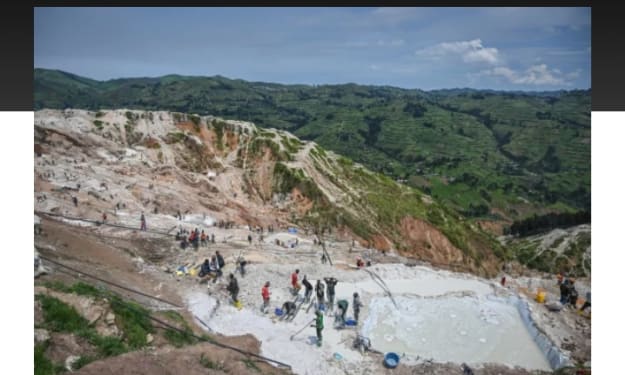
A devastating mining disaster has struck the Rubaya coltan mines in eastern Democratic Republic of Congo (DRC), killing at least 200 people after a landslide caused multiple mine shafts to collapse. The incident — attributed to heavy seasonal rains and unsafe mining conditions — highlights long‑standing issues of economic desperation, conflict, and lax safety in one of Africa’s most mineral‑rich but unstable regions. � Al Jazeera The Collapse: What Happened and Where The disaster occurred Wednesday at the Rubaya mining site in the North Kivu province, a sprawling artisanal mining region where local residents dig for coltan — a metallic ore used to produce tantalum, a critical component in smartphones, computers, and aerospace systems. � Al Jazeera According to rebel authorities controlling the area, heavy rains triggered a massive landslide, destabilising the fragile tunnels and shafts where miners were working, burying many underground. Rescue efforts continue, but many of the bodies remain trapped in the debris. � Al Jazeera The precise number of casualties is still emerging. A local official cited anonymously told Reuters that the confirmed death toll is at least 227, but this figure may rise as crews recover more victims. � The Week Who Were the Victims? Lives Lost in a Day The victims include artisanal miners, local workers, and even children and market vendors who were near or inside the tunnels when the collapse occurred. Many miners work informally without professional safety measures, entering narrow shafts with little structural support, making them extremely vulnerable during heavy rainfall or seismic shifts. � The Week Some survivors have been rescued with serious injuries and are being treated in local health facilities, but access to medical care and emergency rescue equipment remains limited, further complicating recovery efforts. � The Independent A Dangerous Reality: Mine Safety and Artisanal Mining The Rubaya site — like much of eastern Congo’s mining sector — is dominated by artisanal and small‑scale mining (ASM), where thousands of individuals dig by hand or with rudimentary tools to eke out a living. This type of mining, while economically vital for local families, lacks basic safety controls and engineering standards seen in industrial operations. � The Independent A former miner described the perilous conditions: tunnels are dug haphazardly without reinforcement, and parallel shafts can collapse collectively, multiplying the scale of tragedies when accidents happen. � The Independent Heavy rains — common in the region’s rainy season — can rapidly destabilise the ground, turning fragile pits into death traps. Experts have documented multiple similar accidents over recent years, though none on this catastrophic scale. � The Week Rubaya’s Strategic Importance and Conflict Context Rubaya’s mines are not just locally significant — they are a major source of global coltan. The town’s coltan deposits account for about 15 % of the world’s supply of tantalum, making the site one of the most important suppliers of the rare mineral used in high‑tech manufacturing worldwide. � The Independent Control of these mineral resources has also fueled ongoing conflict in eastern Congo. Since 2024, the mining site has been under the control of the M23 rebel group, a heavily armed faction that seized territory from government forces and has been accused of using mineral wealth to fund its insurgency — allegations the Rwandan government denies. � The Independent The region has endured decades of instability, with armed groups, shifting frontlines, and a humanitarian crisis that has displaced millions of people. Despite peace efforts and brokered deals, violence continues across multiple fronts, complicating responses to crises like this latest mining collapse. � The Independent Why Coltan Matters: Beyond Congo’s Borders Coltan is not just another mineral — it is critical to the electronics supply chain. Tantalum extracted from coltan is prized for its heat‑resistant qualities and used in a range of high‑performance components, including: Smartphone capacitors Computer hardware Aerospace and defense systems Medical devices Congo produces a significant share of the global coltan supply, with Rubaya alone accounting for a large portion of the world’s tantalum output. Disruptions to this supply can have ripple effects on global manufacturing and technology industries. � The Independent Humanitarian Impact and International Response The scale of the tragedy — with hundreds dead and many more injured — has prompted concern from humanitarian organisations. With limited infrastructure and ongoing insecurity, the region struggles to mount efficient disaster responses, and local health facilities are often overwhelmed by the sudden influx of casualties. � The Independent Beyond the immediate rescue and medical response, the collapse underscores broader issues: Poverty and economic desperation that drive individuals to risk their lives in unsafe mining Lack of regulation and oversight of artisanal mining operations Conflict and lack of state authority in key resource areas Human rights advocates argue that without structural changes to mining governance, worker protection, and conflict resolution, similar disasters are likely to recur. Voices from the Ground: Loss and Resilience In discussions online, observers have expressed shock and grief at the enormity of the loss. Commenters note how dangerous everyday life can be for artisanal miners in eastern Congo — a profession marked by extreme risk and minimal reward. � Reddit “Mining is one of the most dangerous jobs,” one commenter wrote, reflecting on the realities of artisanal work and the lack of protections. � Reddit Personal stories from surviving community members, though still emerging, paint a picture of profound loss — families torn apart, skills erased, and futures abruptly cut short. Looking Ahead: Safety, Conflict, and Reform Experts suggest several priorities to reduce future tragedies: Improved mining safety protocols and engineering standards Regulation and oversight of artisanal mining practices Economic diversification to reduce dependence on perilous mining Conflict resolution and strengthening of state authority in resource‑rich regions International partners, including governments and NGOs, may play a role in promoting safer, more sustainable mining and supporting local development — but progress remains challenging amid ongoing conflict. � The Independent Conclusion: A Tragedy with Global Echoes The collapse of the coltan mines in eastern Congo — killing at least 200 people — is a stark reminder of the human cost behind some of the world’s most valuable resources. It highlights not only the physical dangers faced by artisanal miners but also the broader systemic issues of poverty, conflict, governance gaps, and global demand for critical minerals. As recovery efforts continue and the death toll may rise, this disaster serves as both a tragic human loss and a call to re‑examine how mineral wealth is extracted, regulated, and shared — from local communities to global supply chains.
By Zahid Hussain2 days ago in The Swamp



Comments
There are no comments for this story
Be the first to respond and start the conversation.