
Mine Collapses in Eastern Congo, Leaving at Least 200 Dead
Tragedy at Rubaya: A catastrophic landslide at coltan mining site exposes deep vulnerabilities and human costs
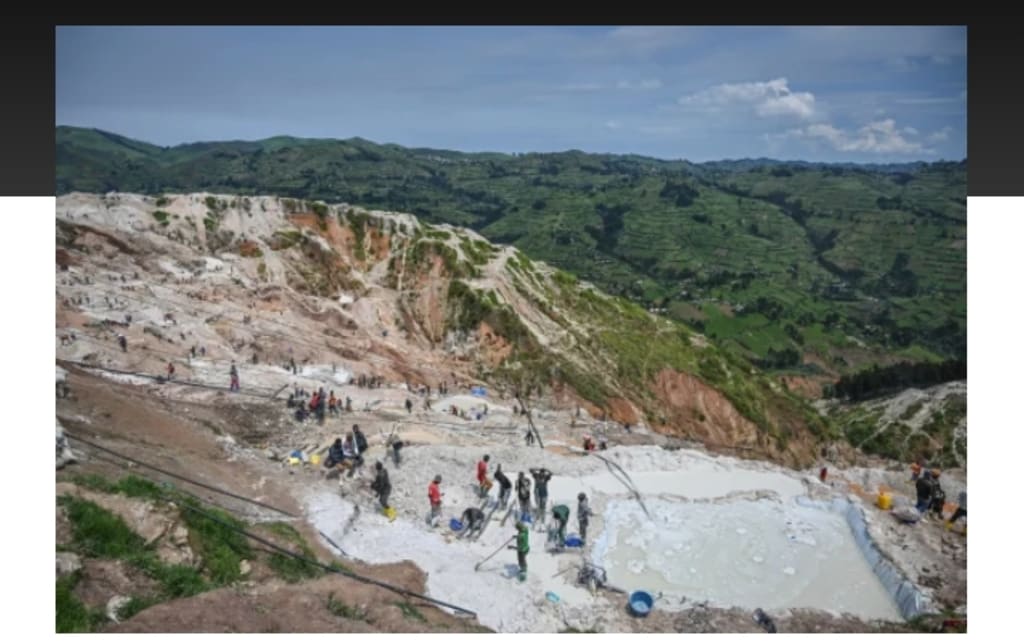
A devastating mining disaster has struck the Rubaya coltan mines in eastern Democratic Republic of Congo (DRC), killing at least 200 people after a landslide caused multiple mine shafts to collapse. The incident — attributed to heavy seasonal rains and unsafe mining conditions — highlights long‑standing issues of economic desperation, conflict, and lax safety in one of Africa’s most mineral‑rich but unstable regions. �
Al Jazeera
The Collapse: What Happened and Where
The disaster occurred Wednesday at the Rubaya mining site in the North Kivu province, a sprawling artisanal mining region where local residents dig for coltan — a metallic ore used to produce tantalum, a critical component in smartphones, computers, and aerospace systems. �
Al Jazeera
According to rebel authorities controlling the area, heavy rains triggered a massive landslide, destabilising the fragile tunnels and shafts where miners were working, burying many underground. Rescue efforts continue, but many of the bodies remain trapped in the debris. �
Al Jazeera
The precise number of casualties is still emerging. A local official cited anonymously told Reuters that the confirmed death toll is at least 227, but this figure may rise as crews recover more victims. �
The Week
Who Were the Victims? Lives Lost in a Day
The victims include artisanal miners, local workers, and even children and market vendors who were near or inside the tunnels when the collapse occurred. Many miners work informally without professional safety measures, entering narrow shafts with little structural support, making them extremely vulnerable during heavy rainfall or seismic shifts. �
The Week
Some survivors have been rescued with serious injuries and are being treated in local health facilities, but access to medical care and emergency rescue equipment remains limited, further complicating recovery efforts. �
The Independent
A Dangerous Reality: Mine Safety and Artisanal Mining
The Rubaya site — like much of eastern Congo’s mining sector — is dominated by artisanal and small‑scale mining (ASM), where thousands of individuals dig by hand or with rudimentary tools to eke out a living. This type of mining, while economically vital for local families, lacks basic safety controls and engineering standards seen in industrial operations. �
The Independent
A former miner described the perilous conditions: tunnels are dug haphazardly without reinforcement, and parallel shafts can collapse collectively, multiplying the scale of tragedies when accidents happen. �
The Independent
Heavy rains — common in the region’s rainy season — can rapidly destabilise the ground, turning fragile pits into death traps. Experts have documented multiple similar accidents over recent years, though none on this catastrophic scale. �
The Week
Rubaya’s Strategic Importance and Conflict Context
Rubaya’s mines are not just locally significant — they are a major source of global coltan. The town’s coltan deposits account for about 15 % of the world’s supply of tantalum, making the site one of the most important suppliers of the rare mineral used in high‑tech manufacturing worldwide. �
The Independent
Control of these mineral resources has also fueled ongoing conflict in eastern Congo. Since 2024, the mining site has been under the control of the M23 rebel group, a heavily armed faction that seized territory from government forces and has been accused of using mineral wealth to fund its insurgency — allegations the Rwandan government denies. �
The Independent
The region has endured decades of instability, with armed groups, shifting frontlines, and a humanitarian crisis that has displaced millions of people. Despite peace efforts and brokered deals, violence continues across multiple fronts, complicating responses to crises like this latest mining collapse. �
The Independent
Why Coltan Matters: Beyond Congo’s Borders
Coltan is not just another mineral — it is critical to the electronics supply chain. Tantalum extracted from coltan is prized for its heat‑resistant qualities and used in a range of high‑performance components, including:
Smartphone capacitors
Computer hardware
Aerospace and defense systems
Medical devices
Congo produces a significant share of the global coltan supply, with Rubaya alone accounting for a large portion of the world’s tantalum output. Disruptions to this supply can have ripple effects on global manufacturing and technology industries. �
The Independent
Humanitarian Impact and International Response
The scale of the tragedy — with hundreds dead and many more injured — has prompted concern from humanitarian organisations. With limited infrastructure and ongoing insecurity, the region struggles to mount efficient disaster responses, and local health facilities are often overwhelmed by the sudden influx of casualties. �
The Independent
Beyond the immediate rescue and medical response, the collapse underscores broader issues:
Poverty and economic desperation that drive individuals to risk their lives in unsafe mining
Lack of regulation and oversight of artisanal mining operations
Conflict and lack of state authority in key resource areas
Human rights advocates argue that without structural changes to mining governance, worker protection, and conflict resolution, similar disasters are likely to recur.
Voices from the Ground: Loss and Resilience
In discussions online, observers have expressed shock and grief at the enormity of the loss. Commenters note how dangerous everyday life can be for artisanal miners in eastern Congo — a profession marked by extreme risk and minimal reward. �
Reddit
“Mining is one of the most dangerous jobs,” one commenter wrote, reflecting on the realities of artisanal work and the lack of protections. �
Reddit
Personal stories from surviving community members, though still emerging, paint a picture of profound loss — families torn apart, skills erased, and futures abruptly cut short.
Looking Ahead: Safety, Conflict, and Reform
Experts suggest several priorities to reduce future tragedies:
Improved mining safety protocols and engineering standards
Regulation and oversight of artisanal mining practices
Economic diversification to reduce dependence on perilous mining
Conflict resolution and strengthening of state authority in resource‑rich regions
International partners, including governments and NGOs, may play a role in promoting safer, more sustainable mining and supporting local development — but progress remains challenging amid ongoing conflict. �
The Independent
Conclusion: A Tragedy with Global Echoes
The collapse of the coltan mines in eastern Congo — killing at least 200 people — is a stark reminder of the human cost behind some of the world’s most valuable resources. It highlights not only the physical dangers faced by artisanal miners but also the broader systemic issues of poverty, conflict, governance gaps, and global demand for critical minerals.
As recovery efforts continue and the death toll may rise, this disaster serves as both a tragic human loss and a call to re‑examine how mineral wealth is extracted, regulated, and shared — from local communities to global supply chains.
About the Creator
Keep reading
More stories from Zahid Hussain and writers in The Swamp and other communities.
Elena Rybakina Triumphs at Australian Open, Defeating No. 1 Aryna Sabalenka for Her Second Grand Slam Title
Elena Rybakina has once again etched her name into tennis history by claiming her second Grand Slam title, defeating the world No. 1 Aryna Sabalenka in a thrilling final at the Australian Open 2026. The Kazakh star, known for her powerful serve and relentless baseline play, overcame a fierce challenge from Sabalenka to lift the trophy and announce her arrival as one of the sport’s elite players. The Final Showdown: Rybakina vs Sabalenka The championship match was a high-octane clash that captivated tennis fans worldwide. Sabalenka, renowned for her aggressive game and dominating presence on court, seemed poised to continue her winning streak. However, Rybakina’s tactical brilliance, composure under pressure, and incredible serve accuracy allowed her to seize key points at crucial moments. The final scoreline, 6-4, 3-6, 7-5, reflected the intensity of the encounter. Rybakina broke Sabalenka’s serve multiple times, while maintaining her own unbroken serves at pivotal moments. Her ability to stay calm in tense rallies proved decisive, earning her both the championship and widespread acclaim. Elena Rybakina’s Rise to Stardom Rybakina’s journey to this second Grand Slam has been remarkable. Born in Russia but representing Kazakhstan, she made her Grand Slam breakthrough in Wimbledon 2022, where she won her first major title. Since then, she has consistently improved her ranking and performance, establishing herself as a formidable opponent on all surfaces. Her style of play blends power, precision, and mental toughness. Analysts highlight her ability to deliver aces under pressure and her adaptability against different opponents as key factors behind her success. Overcoming the Top Seed Defeating the world No. 1 is never easy, and Rybakina’s win over Sabalenka underlines her growing dominance in women’s tennis. Throughout the match: She showcased strategic shot placement to exploit weaknesses in Sabalenka’s baseline game. Her serve velocity consistently exceeded 110 mph, making return games extremely challenging. Rybakina displayed unwavering focus, bouncing back even after dropping the second set. This victory cements her status as a top-tier contender, signaling that she is a player capable of winning multiple Grand Slam titles in the coming years. Fan Reactions and Global Impact Fans across the globe celebrated Rybakina’s triumph. Social media erupted with messages praising her resilience, skill, and sportsmanship. Tennis commentators noted the match as one of the most thrilling finals in recent Australian Open history, emphasizing the intense rivalry between these two modern powerhouses. This victory also has broader implications for Kazakhstan’s presence in global tennis. Rybakina’s success inspires young athletes in her country, highlighting the potential for emerging tennis nations to compete at the highest levels. What’s Next for Rybakina Following her Australian Open win, Rybakina will focus on upcoming WTA tournaments and Grand Slam events, including the French Open and Wimbledon. Her performance in these competitions will determine if she can sustain her momentum and challenge for the No. 1 ranking. Analysts expect her to continue refining her game, particularly her net play and backhand consistency, which could make her virtually unstoppable against top-tier opponents. Conclusion: A New Era in Women’s Tennis Elena Rybakina’s Australian Open victory is more than a personal achievement; it represents the rise of a new generation in women’s tennis. By defeating a top-ranked player like Aryna Sabalenka, Rybakina has proven that determination, skill, and mental resilience are the keys to tennis glory. With her second Grand Slam title now secured, the tennis world eagerly anticipates what this rising star will achieve next, making her one of the most exciting figures to watch in global sports.
By Zahid Hussain2 days ago in The Swamp
The Locksmith’s Teeth
How a simple tool became a powerful metaphor for precision, problem‑solving, and hidden craftsmanship In the world of craftsmanship, few tools are as humble yet as indispensable as the locksmith’s pick. But hidden within that phrase — “the locksmith’s teeth” — lies not only a vivid image but also a rich metaphor that spans practical skill, psychological insight, and even cultural symbolism. At once literal and figurative, the idea of the locksmith’s teeth opens a window into the nature of expertise: the ability to penetrate barriers, understand complex systems, and unlock solutions that remain hidden to the untrained eye.
By Salaar Jamali5 days ago in The Swamp
Gold Slump Eases as Traders Weigh Unwinding of ‘Crowded’ Bets
After weeks of dramatic swings in global markets, gold has finally shown signs of stabilizing. The recent slump that rattled traders and investors worldwide appears to be easing, as market participants reassess positions and reconsider the so-called “crowded bets” that had amplified volatility. But what exactly drove gold’s decline, and why is the market now regaining its footing? Let’s break down the factors behind this key turning point in precious metals trading.
By Sajida Sikandarabout 7 hours ago in The Swamp
Off the Book
It ended like every other stupid idea. Badly, and alone. I’m researching digital confession ethics, he said. A tech ethicist. He gestured at floating data I couldn’t see then pulled out a physical notebook. Actual paper, fountain pen. He held it up like he was showing me scripture.
By Nicky Frankly3 days ago in Fiction



Comments
There are no comments for this story
Be the first to respond and start the conversation.