
Historic Storm Delivers Biggest Snowfall in Decades for North Carolina
Winter “bomb cyclone” blankets the state with record snow, snarls travel, and shutters daily life
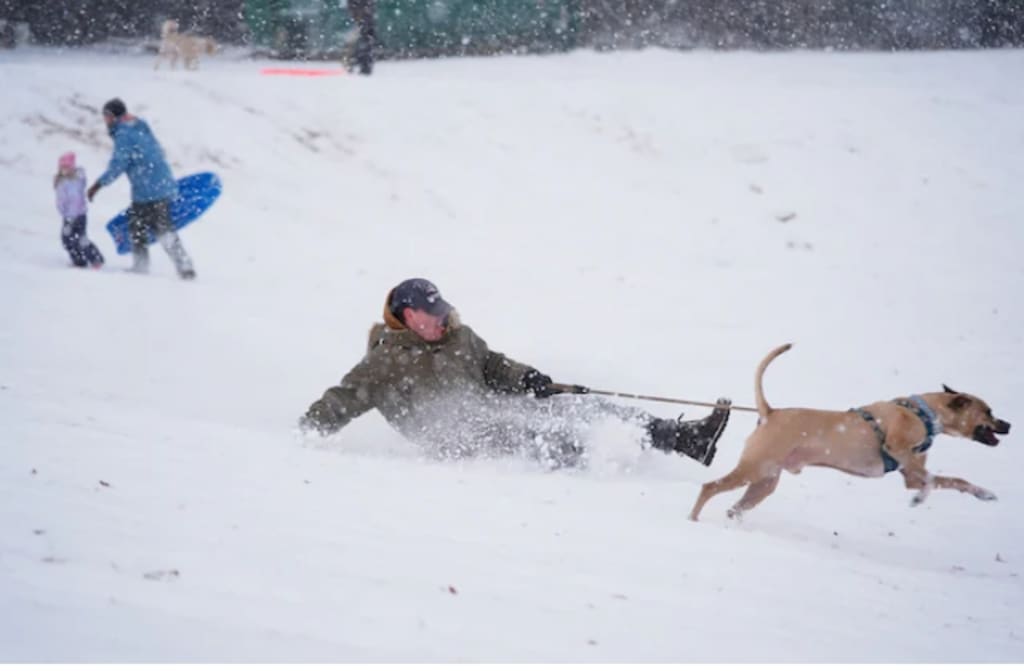
A rare and powerful winter storm — described by meteorologists as “historic” — has brought the most significant snowfall North Carolina has seen in decades, blanketing all 100 counties and transforming the Tar Heel State’s landscape from coastal plains to mountain peaks. (turn0news0turn0news2)(https://www.carolinajournal.com/north-carolina-begins-cleanup-following-historic-snowfall/)
Dubbed a bomb cyclone and fueled by a strong nor’easter, the storm delivered heavy snow, large drifts, and dangerously cold conditions. From Charlotte’s urban streets to the Outer Banks’ coastal dunes, communities were blanketed with snow totals rarely seen in modern memory. (turn0news3)
Record or Near-Record Snowfall Across the State
The storm’s snowfall — in many places the greatest in decades — shocked residents and meteorologists alike:
Eastern North Carolina’s coast recorded up to 15 inches, the highest in nearly 40 years. Some coastal communities saw totals that exceeded those from storms in 1980 and 1989. (turn0search19)
Charlotte reported around 11 inches on a single day, tying for one of the city’s fourth-heaviest one-day snowfalls ever recorded in historical meteorological data. (turn0search25)
Interior regions and foothills experienced heavy snow as well, with isolated reports of over *20 inches in some rural parts of eastern North Carolina. (turn0news38)
The breadth of the snowfall — reaching nearly every corner of the state — was remarkable for a region that typically sees light snow at most a few times a winter.
Storm Mechanics and Historical Context
This powerful system developed as a bomb cyclone, meaning the storm underwent rapid intensification off the southeastern U.S. coast as cold Arctic air collided with moist air over the Atlantic. This kind of setup is rare in the Southeast and more common farther north, making the storm both unusual and impactful. (turn0news36)
Meteorological records show that events this significant haven’t occurred frequently in recent decades. The last time much of eastern North Carolina saw comparable snow accumulation was in the 1980 and 1989 storms, which stood as benchmarks for heavy winter snow in the region for decades. (turn0search19)
Widespread Disruptions and Safety Hazards
While the snow delighted many residents, the impacts were serious and widespread:
Road and Travel Chaos
More than 1,100 vehicle crashes were reported across North Carolina due to slick, icy roads, stretching emergency services thin. (turn0news2)
Major highways, including Interstate 85, saw multi-car pileups and extended travel delays.
Airports including Charlotte’s major hub canceled scores of flights as crews struggled to clear runways and cope with heavy snowfall.
Power Outages and Cold
Freezing temperatures and weight on lines caused power outages for thousands of homes and businesses.
Local officials urged people to stay home, citing dangerous road conditions and the risk of hypothermia.
Rare Southern Snow
The storm’s influence even spread beyond North Carolina: snow flurries and record cold were reported as far south as Florida, where temperatures plunged far below typical winter lows. In some areas, cold-stunned iguanas fell from trees, highlighting the extremity of the cold. (turn0news36)
Community Reactions: Beauty and Strain
Social media and local commentary captured a mix of wonder and hardship:
Many residents described the snowy landscape as “magical” and shared photos of heavy snow drifts and winter scenes reminiscent of more cold-climate states. (turn0reddit70)
At the same time, emergency managers warned that beautiful snow can mask deadly conditions, including black ice, downed trees, and the dangers of extended cold exposure.
Local schools and businesses closed for safety, and community members helped shovel driveways and clear sidewalks — a rare sight in a state better known for warm beaches than winter blizzards.
State Response and Cleanup Efforts
North Carolina officials moved quickly to begin cleanup and restoration:
State Highway Patrol and DOT crews worked around the clock to clear roads and treat bridges with salt and sand.
Local governments deployed plows to priority routes even in areas that rarely see heavy snow.
Emergency workers urged residents to avoid unnecessary travel and to check on neighbors, especially elderly or disabled individuals.
The state’s emergency management highlighted that while snowfall may taper off, dangerous icy conditions would persist for several days due to below-freezing temperatures.
What This Storm Says About Winter Weather Trends
Although climate patterns vary from year to year, this event stands out as exceptional for the Carolinas:
The scale of snowfall — from the Outer Banks to the mountains — is highly unusual.
Many communities saw snow accumulations not experienced in decades.
Meteorologists stress that such storms, while rare, can occur when atmospheric forces align just right, particularly with strong cold air masses and abundant moisture.
Some long-time residents noted that while snow was more common in past decades, heavy events of this magnitude haven’t been typical in recent years — making this storm both a meteorological landmark and a reminder of nature’s unpredictability. (turn0reddit64)
Looking Ahead: Cold Weather Continues
National weather authorities warn that the freezing temperatures will persist, keeping roads icy and slowing recovery efforts. Residents were advised to prepare for continued hazardous conditions, even as snowplows and crews work to restore normalcy. (turn0news38)
As North Carolina digs out from one of the most remarkable snow events in living memory, the storm will be remembered not just for its beauty but for the challenges it posed and the resilience it revealed in communities across the state.
About the Creator
Keep reading
More stories from Zahid Hussain and writers in The Swamp and other communities.
Portland Mayor Demands ICE Leave the City After Federal Agents Tear-Gas Protesters
Portland, Oregon’s mayor Keith Wilson has issued a strong public demand that U.S. Immigration and Customs Enforcement (ICE) withdraw from the city after federal agents deployed tear gas, pepper balls, and rubber bullets at protesters — including young children in strollers — during a weekend demonstration outside an ICE facility. The mayor and others have described the protest as peaceful and non-violent before the federal response. � The Guardian +1 What Happened at the Protest On Saturday, January 31, 2026, thousands of demonstrators gathered at the South Waterfront ICE facility in Portland as part of a nationwide wave of protests against immigration policies. � The Guardian Witnesses reported that the protest had been peaceful, with no major disorder, when federal agents began deploying chemical agents and force against the crowd. � Bangor Daily News A former OregonLive reporter, Erin Hoover Barnett, told media that she was about 100 yards away when agents began dousing the crowd with gas, causing panic among adults and children trying to seek safety. � Bangor Daily News Local paramedics were called to treat people affected by the tear gas, while Portland police monitored the scene but made no arrests. � The Guardian Mayor Wilson’s Response Mayor Wilson strongly condemned the federal actions, characterising them as an unjustified and harmful use of force against a non-violent crowd. He said that: The majority of those present “violated no laws, made no threat, and posed no danger.” � Bangor Daily News He called on ICE employees to resign and for ICE operations in Portland to end completely. In a written statement, Wilson said the use of violence had “trampled the Constitution” and that federal agents had “lost all legitimacy and replaced it with shame.” � Portland.gov He also announced that Portland will move to impose fees on detention facilities that use chemical agents, under a law recently passed by the city to hold such entities accountable. � Portland.gov Broader Context: Protests and Federal Enforcement This weekend’s Portland protest is part of a broader national surge in demonstrations against the Biden administration’s immigration enforcement policies. Similar protests have taken place in cities across the United States, often drawing clashes between federal agents and local demonstrators. � The Guardian In some other Oregon cities—such as Eugene—federal agents also deployed tear gas when protesters attempted to enter federal buildings, prompting local authorities to declare riots and order dispersals. � The Guardian Federal Government’s Position President Donald Trump (current as of early 2026) responded on social media, stating that local law enforcement has the primary responsibility for policing protests in their cities, but he also said he instructed Homeland Security Secretary Kristi Noem to ensure federal agents vigorously protect federal property. He warned that there would be no tolerance for attacks on federal personnel or property. � Inquirer.com This stance underscores ongoing tensions between federal enforcement priorities and local authorities over public safety and protest management. Impact on Community and Immigrant Neighbors Mayor Wilson emphasised that Portland stands with its immigrant communities and that federal tactics undermined public trust and safety. His office said it was gathering evidence of the federal response and preparing to enforce local ordinances aimed at safeguarding residents from what it views as excessive federal force. � Portland.gov Local officials also noted that the ICE facility includes immigration processing functions and that its presence — and the federal response to protests — raises longstanding questions about the role of federal agencies in local communities. Local Government Actions In addition to demanding that ICE leave Portland: The city council urged the mayor to take decisive action after federal use of chemical agents allegedly violated local codes. � Axios Portland is moving forward with an ordinance to charge fees on detention centers using such agents, reflecting growing resistance to federal tactics. � Portland.gov Why This Matters This incident highlights ongoing national debates over: The balance of authority between local governments and federal agencies Appropriate responses to peaceful protests, especially involving families and children The role of ICE in enforcement and local community relations Portland’s mayor’s demand that ICE leave the city illustrates how contentious these issues have become and could set a precedent for other cities facing similar conflicts. � The Guardian
By Zahid Hussainabout 6 hours ago in The Swamp
“Storm on Ice: Why the U.S. Deployment of ICE Agents to the Winter Olympics Has Sparked Italian Fury”
the 2026 Winter Olympics in Milan and Cortina d’Ampezzo draw near, an unexpected diplomatic storm has erupted — not over medals or weather, but over the proposed involvement of U.S. federal agents from Immigration and Customs Enforcement (ICE) in security operations on Italian soil. What began as a technical announcement of logistical support has swiftly spiraled into one of the most contentious pre‑Games controversies yet, triggering sharp criticism from political leaders, civil society, and ordinary Italians who see the move as deeply incompatible with Italian values and Olympic ideals. �
By Ayesha Lashari6 days ago in The Swamp



Comments
There are no comments for this story
Be the first to respond and start the conversation.