
“I Just Don’t Have a Good Feeling About This”: Economist Claudia Sahm Warns the Economy Quietly Shifted — and Everyone’s Watching the Wrong Alarm
A subtle economic turn raises concerns as traditional recession signals may no longer tell the full story

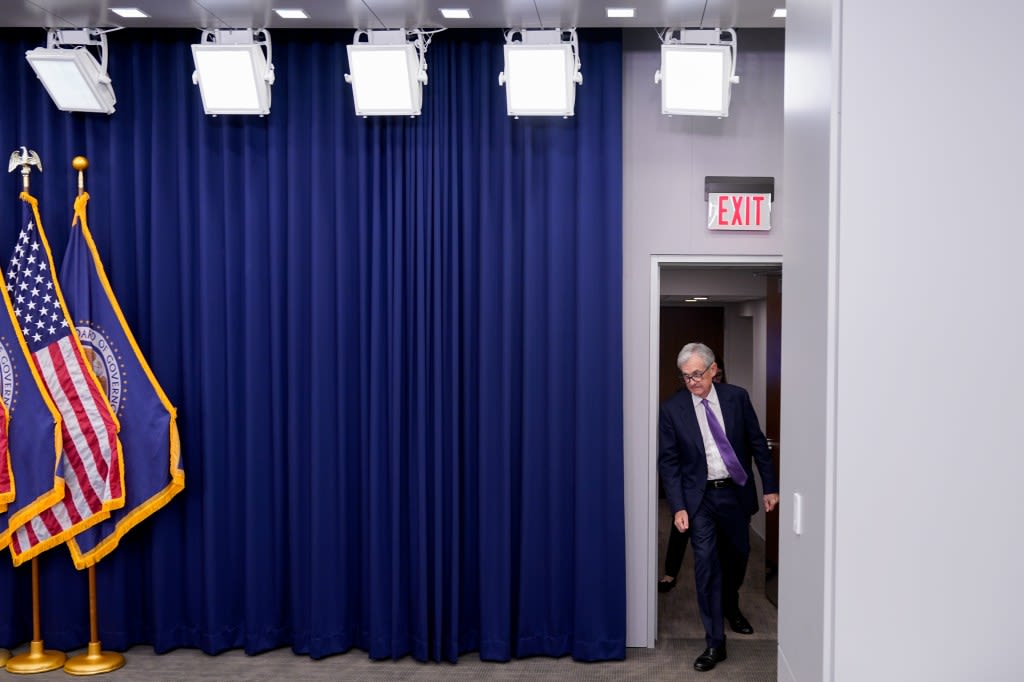
Renowned economist Claudia Sahm, best known for creating the Sahm Rule recession indicator, is raising a quiet but unsettling warning about the U.S. economy. While many analysts remain focused on familiar red flags such as inflation data, interest rates, or headline job numbers, Sahm argues that the economy has already shifted beneath the surface — and policymakers and investors may be paying attention to the wrong warning signs.
“I just don’t have a good feeling about this,” Sahm recently said, reflecting growing unease among economists who believe traditional indicators may be lagging behind today’s economic realities.
Who Is Claudia Sahm — and Why Her Warning Matters
Claudia Sahm is a former Federal Reserve economist and a widely respected voice in macroeconomic policy. She gained prominence after developing the Sahm Rule, a simple but historically reliable method for identifying the start of recessions based on changes in unemployment.
Because her indicator has successfully flagged every U.S. recession since the 1970s without false positives, Sahm’s caution tends to carry weight — especially when she suggests that existing tools may no longer capture the full picture.
This time, her concern isn’t about a sudden crash. It’s about a slow, quiet economic shift that could catch both markets and households off guard.
The Economy Isn’t Breaking — It’s Bending
One of Sahm’s key points is that the economy doesn’t always collapse dramatically. Sometimes, it weakens gradually, masking deeper vulnerabilities.
On the surface, many economic indicators still appear relatively stable. Unemployment remains historically low, consumer spending has not collapsed, and inflation has cooled compared to recent peaks. These signals have reassured markets that the economy remains resilient.
But Sahm suggests this confidence may be misplaced.
She points to subtle changes: slower hiring, reduced job switching, shrinking savings buffers, and growing financial stress among middle- and lower-income households. These shifts may not trigger immediate alarms, but together they suggest the economy is losing momentum.
The “Wrong Alarm” Problem
According to Sahm, too much attention is being paid to headline data, while more meaningful stress signals are being overlooked.
For example, policymakers often focus on inflation rates or interest-rate policy as primary gauges of economic health. While important, these metrics don’t always reflect how households are actually coping.
Instead, Sahm highlights areas such as:
Declining labor market fluidity
Reduced hours worked rather than outright layoffs
Rising credit card and consumer debt balances
Slower real wage growth for non-high-income workers
These indicators suggest economic strain that doesn’t immediately show up in traditional recession models.
Why This Cycle Is Different
One reason existing alarms may be misleading is that this economic cycle is unlike previous ones.
The post-pandemic economy has been shaped by massive fiscal stimulus, rapid interest-rate hikes, supply chain disruptions, and shifting work patterns. As a result, old benchmarks may no longer behave the way economists expect.
Sahm argues that relying solely on historical patterns risks missing new forms of weakness. For instance, companies may avoid mass layoffs due to recent labor shortages, opting instead for hiring freezes or reduced hours — actions that still hurt workers but don’t trigger unemployment spikes.
This makes economic slowdowns harder to detect until the damage is already widespread.
Households Feeling the Pressure First
While macroeconomic indicators may appear stable, many households are already feeling the strain. Rising costs of housing, healthcare, and everyday essentials have eroded purchasing power, especially for those without substantial savings.
Pandemic-era financial cushions are thinning, and higher interest rates have made borrowing more expensive. For many families, even small disruptions — a job change, medical bill, or rent increase — now carry greater risk.
Sahm’s concern reflects this disconnect between official economic narratives and lived experiences. When confidence weakens quietly, consumer behavior can shift suddenly, accelerating downturns.
What Policymakers May Be Missing
Sahm’s warning also carries implications for policymakers. If leaders wait for clear recession signals before responding, they may act too late.
She has long advocated for automatic stabilizers, such as direct cash payments triggered by rising unemployment, to help households early in downturns. But if unemployment no longer rises quickly, those safeguards may fail to activate when needed.
This raises questions about whether economic policy tools are adequately designed for today’s more complex and uneven economy.
Not a Prediction — A Caution
Importantly, Sahm is not declaring that a recession is inevitable or imminent. Her message is more nuanced: the economy may already be shifting into a more fragile state, and complacency could prove costly.
Economic slowdowns often become obvious only in hindsight. By the time official data confirms trouble, businesses and families may already be struggling.
Her unease reflects a broader sentiment among economists who worry that optimism based on outdated signals could delay necessary action.
Conclusion: Listening to the Quiet Signals
Claudia Sahm’s warning isn’t about panic — it’s about awareness. When she says she doesn’t have a good feeling, she’s urging policymakers, investors, and the public to look beyond traditional alarms and pay attention to the quieter signs of stress.
The economy may not be flashing red yet, but it could be changing direction in ways that standard indicators fail to capture. If history has taught anything, it’s that the most dangerous shifts are often the ones that happen quietly — until suddenly, they don’t.
About the Creator
Asad Ali
I'm Asad Ali, a passionate blogger with 3 years of experience creating engaging and informative content across various niches. I specialize in crafting SEO-friendly articles that drive traffic and deliver value to readers.
The 2026 LAUSD Election Is Shockingly Uncontested — and That Should Worry Parents
“The foundation of every state is the education of its youth.” — Diogenes The 2026 Los Angeles Unified School District (LAUSD) board elections are shaping up to be one of the most consequential — and least competitive — school board races in recent memory. With labor unrest rising, enrollment falling, and school closures looming, voters might expect a crowded field of challengers. Instead, they are getting the opposite: quiet races, thin opposition, and decisions that could reshape public education in Los Angeles for years to come.
By Carl J. Petersen3 days ago in The Swamp
American Warship Begins Patrol of European Waters
US Navy strengthens presence amid rising geopolitical tensions An American warship has begun a routine patrol of European waters, marking the latest in a series of naval deployments aimed at maintaining stability and supporting allied nations. Officials say the patrol is part of the US Navy’s ongoing commitment to regional security, freedom of navigation, and maritime readiness. The deployment comes amid heightened attention to European security, with recent tensions in the region prompting closer cooperation between the United States and NATO allies. Details of the Patrol The warship, identified by officials as part of the US Navy’s Atlantic Fleet, departed from its home port earlier this week and is scheduled to operate in key strategic areas. The ship will conduct training exercises, maritime surveillance, and joint operations with allied navies during its deployment. Patrols like this are routine but strategically significant. They allow the Navy to monitor maritime traffic, respond quickly to potential threats, and demonstrate commitment to allies. Why European Waters Are Important European waters are home to some of the busiest shipping lanes in the world, connecting major economies and supporting global trade. In addition, the region has been central to NATO operations and multinational military exercises for decades. Maintaining a US naval presence in these waters helps: Ensure freedom of navigation in international waters Support allied nations in joint exercises and strategic planning Respond quickly to potential security threats or emergencies Analysts note that these patrols are not only defensive but also serve as a signal of deterrence to any actors who might threaten regional stability. Strengthening Ties With Allies During the patrol, the warship will participate in joint exercises with NATO and other European partners. These exercises focus on: Maritime defense coordination Anti-submarine operations Search and rescue drills Cybersecurity measures for naval operations Officials emphasize that working closely with allies ensures interoperability and readiness across nations, which is essential in responding to regional crises or conflicts. Routine Operations With Strategic Importance While this patrol is described as routine, its timing carries strategic weight. European security concerns, particularly in areas near Eastern Europe and the North Atlantic, have increased in recent years. The deployment demonstrates the US commitment to collective security agreements and reassures partners that maritime cooperation remains strong. In addition to patrolling and exercises, the ship will also gather intelligence on maritime conditions and shipping patterns, which helps the Navy maintain situational awareness. Technology and Capabilities of the Warship Modern US Navy warships are equipped with advanced radar systems, sensors, and communication technologies that allow them to operate effectively across vast ocean regions. This particular ship also carries: Missile defense systems Anti-air and anti-ship capabilities Advanced sonar for submarine detection Helicopter and drone support for reconnaissance These capabilities enable the vessel to respond to multiple threats simultaneously, making it a versatile asset for both defense and deterrence. Impact on Regional Security Analysts say that visible US naval presence in European waters can: Deter potential aggression by signaling military readiness Provide reassurance to allies about US commitments under NATO Encourage cooperation and dialogue among regional actors While no immediate threats have been reported, the patrol underscores the importance of proactive defense measures. Community and Environmental Considerations US Navy deployments also follow strict environmental and safety guidelines. Activities are coordinated to minimize disruption to civilian shipping and marine ecosystems. Officials note that training exercises and patrols are planned with careful attention to environmental impact. Moreover, ports and coastal communities benefit from occasional resupply stops, which bring economic activity and logistical support to the region. Looking Ahead The patrol is expected to last several weeks, during which the warship will complete its scheduled operations and participate in joint drills with European navies. Analysts believe that such deployments are likely to continue as part of the US’s long-term strategy to maintain a secure and stable maritime environment in Europe. Military observers note that routine patrols like this are crucial for preparedness, providing real-world experience for crews while supporting diplomatic and defense objectives. Conclusion The US Navy’s patrol of European waters is a clear demonstration of commitment to allied security, maritime readiness, and strategic presence. While described as routine, the deployment carries significant weight amid global geopolitical uncertainties. By maintaining a visible presence, conducting joint exercises, and ensuring readiness, the Navy strengthens both regional stability and international cooperation. For allied nations and global observers alike, the patrol highlights the enduring importance of a well-prepared and responsive naval force.
By Fiaz Ahmed 6 days ago in The Swamp
Cabin Fever Because of Snow, Sleet, and Freezing Rain That Turned to Icy Roads
What Is Cabin Fever? The short answer is that cabin fever is restlessness from being in a confined area. Cabin fever is the distressing irritability or restlessness experienced when a person or group is stuck at an isolated location or in confined quarters for an extended time. Research shows that prolonged cold, gray skies, and being stuck indoors can trigger mood shifts similar to “winter blues.”
By Margaret Minnicksa day ago in Humans


Comments
There are no comments for this story
Be the first to respond and start the conversation.