
Ivan Raiklin and the Shadow Lines of Power and Loyalty in America
Some public figures do not seek the spotlight, yet they seem to walk straight into it.

Some public figures do not seek the spotlight, yet they seem to walk straight into it. Ivan Raiklin is one of those names that surfaces quietly, then refuses to disappear. He is not a household name, but among political circles, legal debates, and online discussions, his presence feels heavy. People search his name with a mix of curiosity and concern. Who is he really? What does he stand for? And why does his role spark such strong reactions? Ivan Raiklin’s story is not about fame. It is about belief, loyalty, and how far individuals are willing to go when they feel the system has failed them. Understanding him means stepping into uncomfortable territory.
Who Is Ivan Raiklin?
Ivan Raiklin is a lawyer and former military officer who became more widely known through his involvement in political and legal activism. His background includes service in the U.S. military and work within legal and national security spaces.
Unlike politicians who campaign openly for votes, Raiklin’s influence appears in arguments, legal theories, and behind-the-scenes pressure. This makes his role harder to define but no less significant.
People often struggle to place him because he does not fit neatly into traditional categories. He is not just a lawyer. He is not just an activist. He operates in the gray areas where law, politics, and ideology meet.
Early Career and Formation of Beliefs
Understanding Ivan Raiklin requires looking at how his early experiences shaped his worldview. Military service often leaves a lasting mark. It reinforces ideas of duty, loyalty, and chain of command.
For Raiklin, these values appear to carry into his legal thinking. He often frames arguments around responsibility, authority, and perceived betrayal within institutions.
This background helps explain why his later actions feel driven by conviction rather than compromise. His approach reflects a belief that rules matter only when they are enforced honestly.
Entry Into Political Controversy
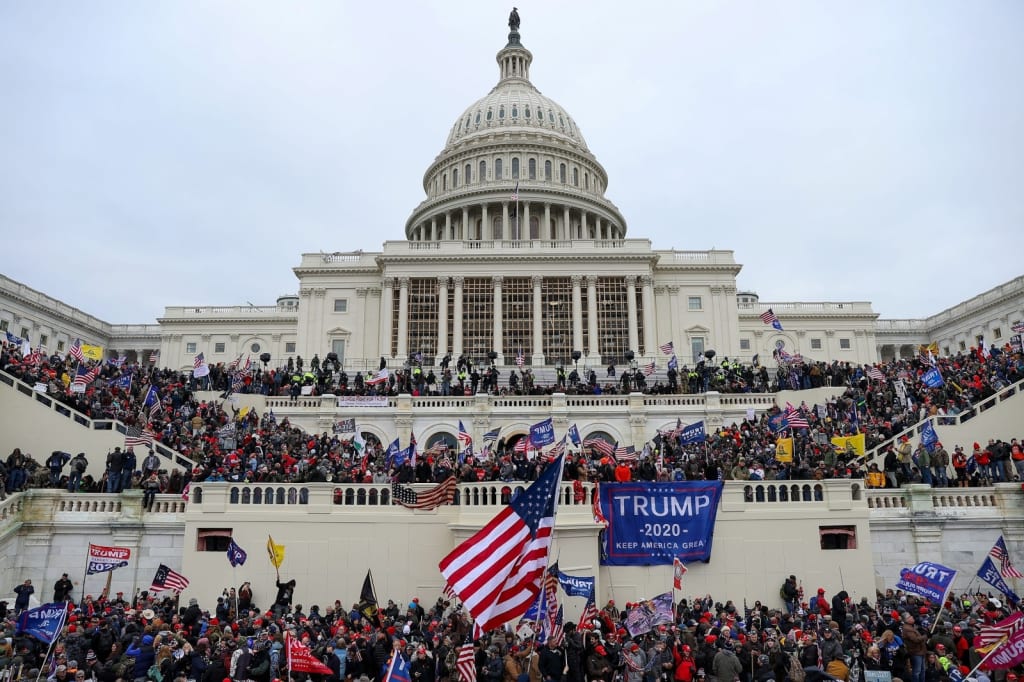
Ivan Raiklin entered broader public awareness during a time of extreme political tension in the United States. Elections, court rulings, and government agencies were under intense scrutiny.
As trust in institutions weakened, figures like Raiklin gained attention by offering sharp, uncompromising interpretations of law and power.
He became associated with arguments that challenged existing norms. Supporters saw courage. Critics saw danger.
This split reaction followed him into every public discussion that followed.
Legal Arguments That Stir Debate
Raiklin is known for pushing legal theories that many experts consider extreme or untested. He argues that existing systems have failed and require aggressive correction.
To supporters, these arguments feel like necessary wake-up calls. They believe traditional checks no longer work.
To critics, these ideas threaten stability. They worry that bending legal interpretation to serve political goals erodes the rule of law.
This tension defines Ivan Raiklin’s public image. He operates where legality and ideology collide.
Loyalty as a Central Theme
One recurring theme in discussions around Ivan Raiklin is loyalty. Loyalty to leaders. Loyalty to country. Loyalty to a specific interpretation of the Constitution.
Raiklin often frames issues in terms of allegiance versus betrayal. This framing resonates with people who feel abandoned by institutions they once trusted.
However, this same framing raises concerns. Loyalty-based thinking can oversimplify complex systems. It can reduce disagreement to disloyalty.
That emotional framing fuels both support and opposition.
The Language of Crisis
Ivan Raiklin often speaks in urgent terms. His language suggests that the country stands at a breaking point.
This sense of crisis is powerful. It motivates action. It creates clarity in uncertain times.
But constant urgency also carries risk. When everything feels like an emergency, restraint disappears.
Critics argue that this mindset encourages reckless solutions. Supporters argue that calm responses have already failed.
Supporters and Their Perspective
Those who support Ivan Raiklin often share a deep distrust of government institutions. They believe courts, agencies, and elections no longer function fairly.
To them, Raiklin voices what others are afraid to say. He articulates frustration with precision and force.
Supporters often view him as principled, not extreme. They see his willingness to challenge norms as proof of integrity.
This support is emotional, rooted in disappointment and fear about the future.
Critics and Their Warnings
Critics see Ivan Raiklin very differently. They view his ideas as legally unsound and socially dangerous.
They argue that his proposals undermine democratic processes. They worry that encouraging radical interpretations of authority invites chaos.
To critics, Raiklin represents a broader trend where legal language is used to justify political ends.
Their concern is not just about one individual, but about what his ideas enable.
The Role of Fear in Political Identity
Fear plays a central role in modern political identity. Fear of loss. Fear of change. Fear of being ignored.
Ivan Raiklin’s rise cannot be separated from this emotional environment. His arguments gain traction because they speak directly to fear.
He offers certainty in uncertain times. Clear enemies. Clear solutions.
Whether those solutions are realistic is a separate question.
Social Media and Amplified Reach
Like many controversial figures, Ivan Raiklin benefits from social media attention. Short clips and summaries spread quickly.
Nuance disappears in this format. Complex legal arguments turn into slogans.
This amplification intensifies reactions. Supporters feel validated. Critics feel alarmed.
The platform shapes the perception as much as the message.
The Difference Between Law and Justice
One of the core debates surrounding Ivan Raiklin centers on law versus justice. Are laws valid if people believe they are corrupted?
Raiklin’s stance suggests that legality loses meaning when institutions lose legitimacy.
This argument is emotionally compelling. It reflects real frustration.
But it also opens dangerous doors. If everyone decides when law applies, order becomes optional.
This philosophical tension sits at the heart of his influence.
Historical Echoes
History shows that periods of instability often produce figures like Ivan Raiklin. People who claim existing systems are broken and demand drastic correction.
Some such figures are later praised. Others are condemned.
The difference often lies in outcomes, not intentions.
At present, Raiklin exists in that uncertain middle space, judged in real time rather than hindsight.
The Impact on Public Trust
Public trust is fragile. Once broken, it is hard to restore.
Ivan Raiklin’s message reflects distrust, but it also deepens it. When people hear constant accusations of corruption, confidence erodes further.
Supporters may feel clarity. Others feel exhaustion.
The long-term impact of this erosion remains unclear.
The Legal Community’s Response
Within legal circles, reactions to Raiklin are largely critical. Many lawyers emphasize precedent, restraint, and process.
They argue that radical reinterpretation weakens the legal system.
However, even critics acknowledge the underlying discontent he represents. Dismissing him entirely ignores the reasons people listen.
This tension creates uncomfortable conversations within the profession.
Personal Conviction Versus Public Responsibility
Ivan Raiklin appears driven by strong personal conviction. He speaks and acts as someone who believes he is right.
Conviction can be admirable. It can also be blinding.
Public responsibility requires weighing consequences beyond intent. It requires accepting limits.
Whether Raiklin recognizes or accepts those limits is a central question.
The Emotional Appeal of Certainty
Certainty is comforting. It removes doubt.
Ivan Raiklin offers certainty in a time of confusion. Clear narratives. Clear villains.
This emotional appeal explains much of his following.
But certainty can also silence questions. It can discourage reflection.
In complex systems, certainty often oversimplifies reality.
The Cost of Polarization
Figures like Ivan Raiklin thrive in polarized environments. Conflict creates attention.
But polarization carries real costs. Relationships strain. Institutions weaken. Dialogue collapses.
Raiklin did not create polarization, but he operates comfortably within it.
Whether that comfort helps or harms society remains debated.
Private Individual, Public Consequences
Despite being a private citizen, Ivan Raiklin’s ideas have public consequences. Words shape actions. Arguments influence decisions.
This raises questions about accountability. How much responsibility does an individual carry for how others use their ideas?
There are no easy answers, but the question matters.
The Search for Control
At its core, the fascination with Ivan Raiklin reflects a search for control. When systems feel unpredictable, people gravitate toward strong frameworks.
Raiklin provides a framework that promises order through forceful correction.
Whether that promise holds is uncertain.
But the desire behind it is deeply human.
Why Ivan Raiklin Keeps Appearing in Searches
People continue to search Ivan Raiklin because his name represents unresolved tension.
He is not a resolved figure. His role is still unfolding.
Curiosity persists because the outcome is unclear.
In a world obsessed with closure, unresolved stories hold attention.
The Difference Between Dissent and Disruption
Dissent is essential to democracy. Disruption can be destructive.
Ivan Raiklin exists at the edge of this distinction.
Supporters call him a dissenter. Critics call him a disruptor.
The line between the two depends on perspective and consequence.
Final Thoughts
Ivan Raiklin is not just a person. He is a reflection of a moment in American life marked by distrust, fear, and longing for certainty.
His ideas challenge norms and provoke strong reactions. They force uncomfortable questions about loyalty, authority, and law.
Whether history judges him as a warning or a symptom remains to be seen.
For now, his presence reminds us that when institutions falter, individuals step forward. And what they carry with them can shape more than they ever intended.
About the Creator
Muqadas khan
Hi! Welcome to my Vocal page. I’ll be sharing fresh articles every day covering stories, ideas, and a bit of inspiration to brighten your feed. Thanks for reading and supporting daily writing! 📖💫
Keep reading
More stories from Muqadas khan and writers in The Swamp and other communities.
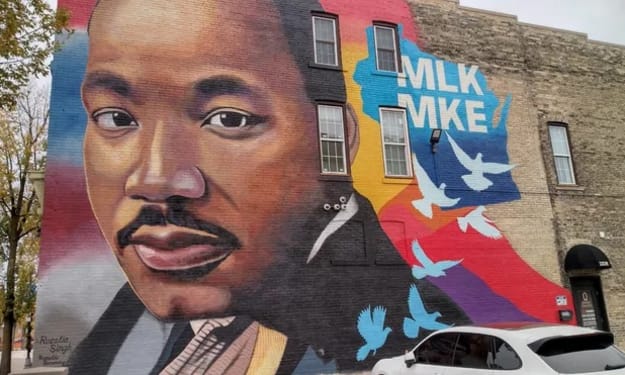
Are Banks Closed on MLK Day and Why It Still Matters
Every January, a familiar pause appears on the calendar. Offices slow down. Schools adjust schedules. People check their phones and ask the same practical question: are banks closed on MLK Day? On the surface, it feels like a simple matter of hours and availability. But beneath that question sits something deeper. This day is tied to memory, history, and the way modern life balances reflection with routine. For many, realizing the bank is closed comes with mild inconvenience. For others, it is a reminder that this day exists for a reason beyond transactions. Understanding why banks close, what stays open, and how to prepare helps ease stress while honoring the meaning behind the holiday.
By Muqadas khan14 days ago in The Swamp
American Airlines Becomes the First Airline to Reconnect Venezuela With the United States
In a historic shift for hemispheric aviation and travel, American Airlines is set to become the first U.S. carrier to reconnect Venezuela with the United States, marking the end of a more than six-year hiatus in scheduled service between the two nations. The announcement comes amid dramatic geopolitical changes, evolving diplomatic ties, and new U.S. government directives that reopened commercial airspace over Venezuela.
By Aadil shanawar4 days ago in The Swamp
Saim Ayub: The Rising Star of Pakistan's Digital Revolution
Saim Ayub is fast becoming a household name, not just in Pakistan but across the globe. From his captivating YouTube content to his stellar contributions to the digital space, Saim’s rise is nothing short of inspiring. This article delves into the journey of Saim Ayub, the factors that led to his meteoric rise, and his impact on Pakistan's digital landscape.
By Ayesha Lashari5 days ago in The Swamp



Comments
There are no comments for this story
Be the first to respond and start the conversation.