
“Keep on Dreaming”: Could Europe Really Defend Itself Without the U.S.?
Why Europe’s security still depends on America — and what it would take to go it alone
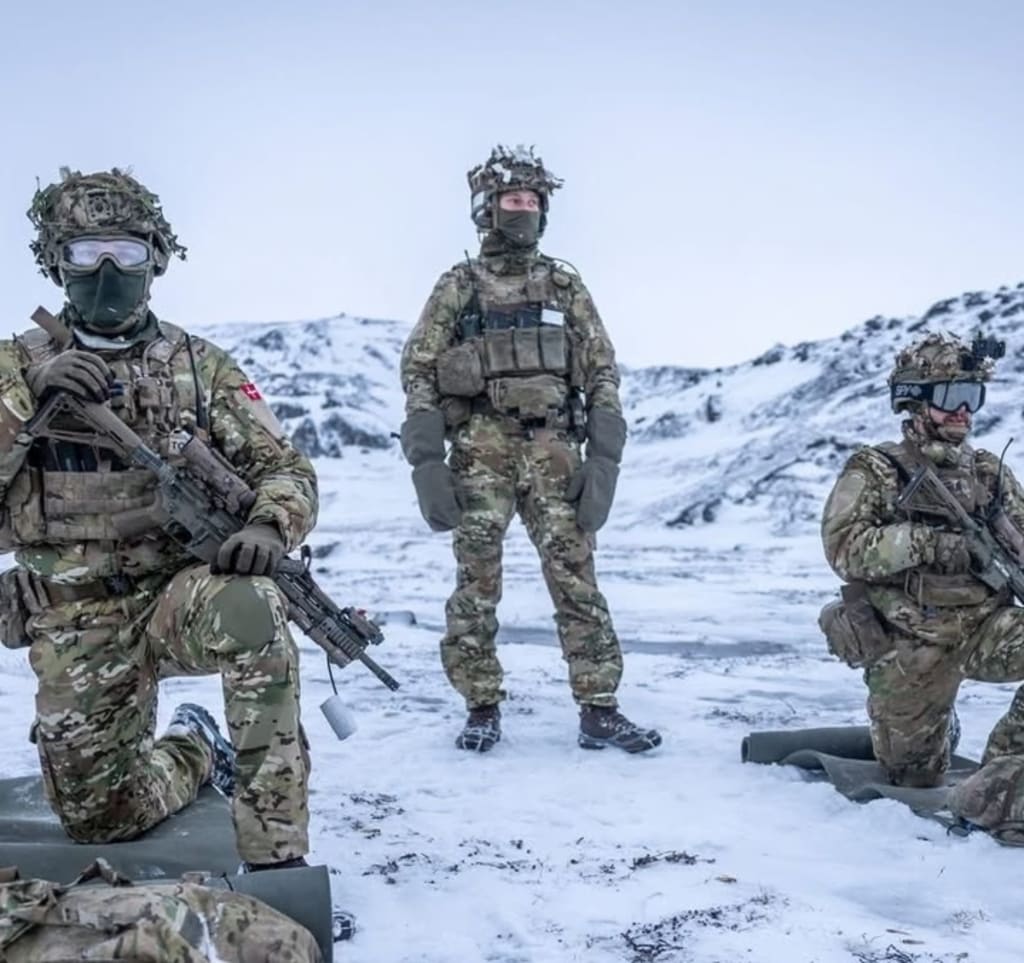
Europe’s leaders have been talking for years about strategic autonomy — the idea that the continent could one day defend itself without relying on the United States. But recent comments from NATO’s Secretary‑General have underscored how far that goal still is from reality. �
The Guardian +1
“If anyone thinks Europe can defend itself without the U.S., keep on dreaming,” NATO chief Mark Rutte told lawmakers, bluntly dismissing the notion that Europe is currently capable of going it alone. �
European Interest
This stark assessment has triggered a major debate across European capitals: Can Europe truly protect its territory and interests without American military support — and what would it take if Washington steps back?
Why the U.S. Still Matters for European Security
Since the end of World War II, American military power has been the backbone of European defence. The U.S. provides capabilities that European countries, even collectively, struggle to replicate:
Nuclear deterrence: NATO’s nuclear umbrella — with U.S. weapons and strategy at its core — remains a primary deterrent against existential threats like Russia. �
European Interest
Intelligence, surveillance, and reconnaissance (ISR): U.S. satellites, sensors, and data systems currently give NATO a broad, real‑time picture of threats — something Europe lacks independently. �
CEPA
Strategic airlift and logistics: Long‑range transport aircraft and aerial refuelling tankers allow forces to move rapidly and sustain operations — areas where U.S. capabilities still dwarf European lift capacity. �
Brookings
Command and control systems: Integrated battle management and space assets that coordinate multi‑domain operations remain dominated by U.S. technology. �
CEPA
Without these “enablers,” even a large European force would struggle to operate cohesively against a high‑end military threat. �
Defense News
What Experts Say: The Military Gap
Reports by defence analysts paint a clear picture of the scale of the challenge:
Troop readiness: Europe’s combined armed forces total around 1.5 million personnel, but many nations lack the readiness levels, logistics, and long‑range capabilities needed for high‑intensity operations. �
Brookings
Equipment shortfalls: To fill gaps left by a hypothetical U.S. withdrawal, Europe would need about 50 new brigades and massive investments in tanks, artillery, aircraft, and ammunition — a level of force modernisation far beyond current budgets. �
bruegel.org
Strategic investment: Analysts estimate Europe would need to spend hundreds of billions more and increase defence budgets to around 3–4% of GDP to begin replacing U.S. capabilities — far above the current norm of about 1.5–2%. �
Start Insight
These gaps aren’t just about numbers — European militaries were largely designed to operate with U.S. support, not replace it. �
Brookings
The Cost of Autonomy: Financial and Industrial Hurdles
Building a truly independent defence posture would be enormously expensive and politically contentious:
Huge Investment Needed
Europe could need €1 trillion or more over the next few decades to stand on its own feet, according to estimates from international security institutes. �
Strategic Culture Foundation
Raising Defence Spending
Most European states commit around 2% of GDP to defence, a NATO target. But analysts say that level isn’t enough for genuine autonomy — many argue it would have to rise “well beyond” that, potentially 3–4% or more. �
Start Insight
Industrial Fragmentation
European defence industries are fragmented. Different weapon systems, procurement processes, and national priorities make joint development, production, and interoperability difficult. �
The Guardian
Long Time Horizon
Even with political will and funding, experts say it could take a decade or more for Europe to build the technologies and capabilities it would need to defend itself independently. �
Defense News
Political and Strategic Obstacles
Even if the money were available, political factors complicate defence autonomy:
Lack of Unified Strategy
European countries still disagree over key defence priorities, threat perceptions, and how to structure a collective force. There is no single defence doctrine shared across the continent. �
The Guardian
National Rivalries
Countries often prefer national procurement, industrial jobs, and bilateral arrangements rather than pooling sovereignty in a European army. �
The Guardian
Debate Over Nuclear Deterrence
Europe’s only nuclear powers, France and the UK, maintain independent arsenals — but they function differently from NATO’s broader deterrent and are not designed to replace U.S. tactical nuclear capabilities. �
Defense News
Signs of Change: Moves Toward Strategic Autonomy
Despite the challenges, Europe is making incremental progress:
The EU has launched defence initiatives aimed at boosting joint capability and readiness, including proposals to mobilise hundreds of billions in investment and accelerate collaborative armaments development. �
europarl.europa.eu
Some European leaders, especially in France, argue for a stronger “European pillar” within NATO — not a replacement for the alliance, but a force that could operate autonomously when necessary. �
The Guardian
Nations such as Germany and the UK have increased defence spending and announced long‑term upgrades to their militaries.
Still, experts caution that even these advances fall short of full independence and — for now — mainly serve to strengthen NATO rather than supplant the U.S. role. �
chathamhouse.org
Could Europe Deter Major Threats Without the U.S.?
In theory, a military alliance of European states could defend against limited threats or regional instability. But against a large, well‑equipped adversary like Russia — or in high‑intensity collective defence — Europe lacks:
Integrated strategic airpower and missile defence
Space‑based ISR and cybersecurity assets
Heavy logistical lift and rapid force projection
A unified command structure with shared doctrine and supply chains �
Brookings
Without these, any European effort would rely on improvisation, higher casualties, slower response times and logistical bottlenecks — a “bloodier” conflict, analysts warn. �
Defense News
Conclusion: Realism vs. Aspirations
The idea of a fully independent European defence has long been an aspiration for some leaders and strategic thinkers. But as NATO’s Secretary‑General bluntly put it: Europe today cannot defend itself without the United States. �
European Interest
That doesn’t mean Europe is doomed to permanent dependency — far from it. Many countries are investing more, coordinating better, and debating structural reforms that could lay the foundations for greater autonomy in the future. Yet the financial cost, political obstacles, capability gaps, and time required mean that real independence — if it ever comes — is still decades away.
For now, the transatlantic alliance remains the cornerstone of European security, and even the most ardent proponents of autonomy acknowledge that achieving true military self‑sufficiency is a massive, long‑term project — not something Europe can simply “dream” into reality overnight.
About the Creator
Keep reading
More stories from Zahid Hussain and writers in The Swamp and other communities.
When Hope and Horror Collide: Gaza Under Fire as a Ceasefire Inches Forward
A Ceasefire Shadowed by Bloodshed In Gaza, hope rarely arrives alone. It usually comes carrying grief. As international mediators speak in careful language about ceasefire progress, families in Gaza bury their dead. On a day when the world expected calm to grow stronger, Israeli airstrikes killed at least 30 Palestinians, including children. The timing was brutal, the symbolism unavoidable. While talks moved forward on paper, violence surged on the ground. For the people of Gaza, this contradiction is not new. Ceasefires have come and gone before, often collapsing under the weight of mistrust, retaliation, and unresolved injustice. Yet each announcement still sparks a fragile optimism — a belief that maybe this time, the bombs will stop. This time, they didn’t. A Deadly Day in Gaza The strikes hit multiple locations across the Gaza Strip. Residential buildings, a police station, and areas sheltering displaced families were among the targets. Hospitals quickly filled with the wounded, while doctors struggled with limited supplies, overcrowded wards, and exhausted staff. Among the dead were women and children — names added to a growing list that has become tragically long. For many families, there was no warning, no time to escape, and no safe place left to run. Parents searched hospital corridors for their children. Survivors described explosions that tore through sleeping neighborhoods. Tents meant for refuge became sites of mourning. Each casualty represented not just a number, but a life interrupted: a student who would never return to school, a child whose favorite toy lay buried under rubble, a parent whose role as protector ended in helplessness. The Ceasefire That Exists — and Doesn’t Officially, a ceasefire has been in place. Unofficially, Gaza has remained under constant threat. Ceasefires in this conflict are rarely absolute. They are fragile understandings, often broken by accusations from both sides. Israel claims it strikes in response to security threats. Palestinian groups accuse Israel of violating truces with disproportionate force. This creates a deadly loop: one side claims defense, the other calls it aggression, and civilians pay the price. For Gaza’s residents, the term “ceasefire” has lost much of its meaning. It does not guarantee safety. It does not ensure electricity, clean water, or medical access. And it certainly does not promise that children will sleep through the night without fear. Children Caught in a War They Did Not Choose Perhaps the most devastating aspect of this latest violence is the loss of young lives. Children in Gaza are born into siege, raised under drones, and educated amid ruins. Many have never experienced a day without the sound of aircraft overhead. Psychologists warn of widespread trauma, anxiety, and emotional numbness among Gaza’s youth. When children are killed during ceasefire talks, it sends a painful message: even moments of supposed peace are unsafe. For parents, the fear is constant. Do you send your child outside to play? Do you let them sleep near a window? Do you hope, or do you prepare for the worst? In Gaza, parenting has become an act of courage. Rafah Crossing: A Gate of Survival One of the most discussed elements of the ceasefire negotiations is the reopening of the Rafah border crossing with Egypt. For Gaza, Rafah is more than a checkpoint — it is a lifeline. Its reopening would allow: Medical evacuations for critically ill patients Entry of humanitarian aid Movement for families trapped inside the strip Yet even this hopeful step remains uncertain. Past openings have been limited, temporary, and heavily controlled. Each delay costs lives, especially for patients needing urgent treatment unavailable inside Gaza. The strikes came just as optimism around Rafah was growing, raising questions about whether political progress can truly protect civilians. The International Response: Words Without Weight Global reactions followed a familiar pattern. Statements of concern. Calls for restraint. Renewed emphasis on negotiations. But for Gazans, words without action feel hollow. Human rights organizations continue to warn that repeated civilian casualties may violate international humanitarian law. Aid groups stress that Gaza’s healthcare system is near collapse. Journalists document destruction, yet accountability remains elusive. The international community’s inability to enforce lasting peace has bred deep cynicism. Many in Gaza believe the world sees their suffering but lacks the will to stop it. Israel’s Perspective: Security Above All Israel maintains that its military actions are necessary to protect its citizens. Officials argue that militant groups exploit ceasefires to regroup and that strikes target threats, not civilians. From Israel’s viewpoint, security concerns are immediate and non-negotiable. Rocket fire, tunnels, and armed groups remain central to its justification for military operations. However, critics argue that overwhelming force in densely populated areas inevitably leads to civilian deaths — regardless of intent. The line between security and collective punishment remains heavily contested. Life in Gaza: Survival as Routine Beyond headlines and death tolls, life in Gaza continues — not because it is easy, but because stopping is not an option. People queue for bread. Families ration water. Children attend makeshift schools. Fishermen risk their lives at sea. Doctors perform surgeries by generator light. Resilience has become a necessity, not a choice. Yet resilience should not be mistaken for acceptance. Beneath daily survival lies exhaustion, anger, and grief. Many Gazans feel trapped in a cycle they did nothing to create and cannot escape. The Psychological Toll of Endless Conflict Wars do not end when bombs stop falling — especially when they never truly stop. Mental health professionals report soaring cases of post-traumatic stress disorder, depression, and anxiety in Gaza. Children reenact airstrikes in their games. Adults struggle with survivor’s guilt. Each broken ceasefire deepens psychological wounds. Each loss reinforces a sense of abandonment. Peace, when it comes, will need to heal minds as much as rebuild homes. A Future Held Hostage The tragedy of Gaza is not only what is happening now, but what it steals from the future. Education is disrupted. Economic development is impossible under blockade. Dreams shrink to basic survival. A generation grows up knowing checkpoints better than playgrounds and sirens better than lullabies. Every child killed is not just a life lost, but a future erased. Can Peace Ever Be More Than a Pause? History suggests that ceasefires without justice are temporary. Without addressing root causes — occupation, blockade, security fears, political division — violence returns. True peace requires more than silence in the sky. It demands accountability, dignity, and equal value for all human lives. Until then, ceasefires will remain fragile pauses in an ongoing tragedy. Conclusion: Between Diplomacy and Destruction The latest Israeli strikes in Gaza, killing dozens including children, expose the painful reality behind diplomatic language. Ceasefires may inch forward, but peace remains distant. For Gaza’s civilians, the question is no longer when peace will come, but whether it ever will. Until the world moves beyond statements and toward solutions, hope in Gaza will continue to arrive hand-in-hand with grief — fragile, fleeting, and heartbreakingly incomplete.
By Zahid Hussain3 days ago in The Swamp
Israeli Airstrikes Kill at Least 30 in Gaza as Tensions Escalate Despite Ceasefire Hopes
Children and police officers among the dead as renewed violence shakes the fragile calm in the region Fresh Israeli airstrikes on Gaza have killed at least 30 people, including children and police officers, according to Palestinian health officials. The attacks come at a time when international mediators were pushing for calm, raising fears that the conflict may be entering another dangerous phase. Residents of Gaza City reported hearing multiple explosions overnight as fighter jets struck several neighborhoods. Buildings were damaged, roads were blocked with debris, and hospitals quickly became overwhelmed with injured civilians. Emergency crews worked through the night to pull survivors from the rubble. The Israeli military stated that the strikes were aimed at what it described as “militant infrastructure” and locations used by armed groups. Officials said the operations were launched in response to rocket fire and other security threats originating from Gaza. However, Palestinian authorities insist that many of the casualties were civilians who had no connection to militant activities. Civilians Caught in the Middle Among the victims were children and local police officers who were reportedly on duty when the strikes occurred. Families rushed their wounded relatives to nearby hospitals, where doctors struggled with limited medical supplies and overcrowded wards. A doctor at Al-Shifa Hospital said the situation was critical. “We are seeing severe injuries, including burns and shrapnel wounds. Many of the victims are women and children. We are running out of space and equipment,” he said. Eyewitnesses described scenes of panic as residents fled their homes in fear of further bombardment. Entire neighborhoods were plunged into darkness after electricity lines were damaged during the attacks. International Reaction The renewed violence has drawn swift reactions from the international community. Several countries called for restraint and urged both sides to prevent further civilian casualties. The United Nations issued a statement expressing deep concern over the rising death toll and the impact on civilians. A spokesperson said, “The loss of innocent life is unacceptable. We urge all parties to respect international humanitarian law and avoid actions that could worsen the crisis.” Human rights organizations also criticized the escalation, warning that Gaza’s already fragile humanitarian situation could deteriorate further if the fighting continues. Fragile Ceasefire in Danger Just days earlier, there were signs of potential calm after indirect talks aimed at reducing hostilities. However, these latest strikes have cast doubt on the future of any ceasefire arrangement. Analysts say both sides appear trapped in a cycle of retaliation. Each new attack increases pressure for a stronger response, making de-escalation more difficult. “The region is walking on a razor’s edge,” said a Middle East political analyst. “Without strong international mediation, this could easily spiral into a wider confrontation.” Life Under Constant Threat For Gaza’s residents, the situation feels tragically familiar. Years of conflict have left much of the population traumatized and struggling to rebuild their lives. Schools have been closed in several areas due to security concerns, and many families are once again taking shelter in safer zones or with relatives. Parents fear sending their children outside, unsure when the next explosion may occur. A local resident shared his fear: “We don’t know when it will end. Every time we think there is hope, the bombs return. Our children are growing up in fear.” Israel’s Position Israeli officials maintain that their military operations are necessary for national security. They claim that armed groups in Gaza continue to plan attacks and launch rockets toward Israeli territory, forcing them to act in self-defense. In a brief statement, the Israeli military said it would continue operations as long as threats remain. “We are targeting terror networks that pose a danger to Israeli civilians,” the statement read. However, critics argue that military action in densely populated areas inevitably leads to civilian casualties and worsens humanitarian suffering. Calls for Immediate Action Aid agencies have urged for humanitarian corridors to allow medical supplies and emergency aid to reach affected areas. They warn that Gaza’s healthcare system is already stretched beyond capacity. Several Middle Eastern and European nations have called for emergency talks to prevent further bloodshed. Diplomatic efforts are reportedly underway to restore calm and revive negotiations. A Region at a Crossroads The latest violence highlights the deep-rooted tensions that continue to plague the region. Despite repeated ceasefire attempts over the years, lasting peace remains elusive. As night fell again over Gaza, the sound of drones and aircraft filled the sky, reminding residents that the danger was far from over. With at least 30 lives already lost, the human cost of renewed conflict is painfully clear. Unless decisive diplomatic steps are taken, observers fear that more civilians will pay the price for a conflict that shows no sign of ending soon.
By Fiaz Ahmed 3 days ago in The Swamp




Comments
There are no comments for this story
Be the first to respond and start the conversation.