
New Snow and Ice Warnings Issued as Arctic Air Hits the UK
Severe Cold Wave Brings Disruption, Safety Concerns, and Travel Chaos Across the Country
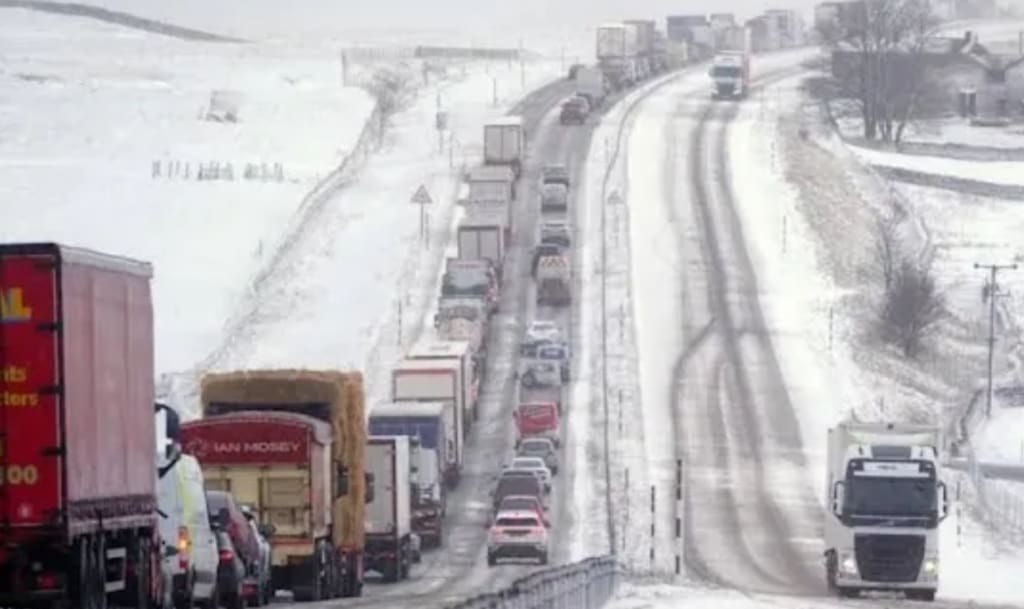
powerful wave of Arctic air has swept across the United Kingdom, bringing with it freezing temperatures, heavy snowfall, and dangerous icy conditions. As winter tightens its grip, authorities have issued fresh snow and ice warnings, urging people to remain cautious and prepared. With daily life disrupted and essential services under pressure, the country is facing one of the harshest cold spells of the season.
According to the Met Office, the sudden drop in temperatures is the result of cold air flowing south from the Arctic region. This icy air mass, combined with moist weather systems, has created perfect conditions for snowfall and frost across England, Scotland, Wales, and Northern Ireland.
Arctic Air Brings Extreme Cold
Meteorologists explain that changes in atmospheric pressure and jet stream patterns have allowed freezing winds from northern regions to move into the UK. As a result, many areas are experiencing temperatures well below average for this time of year.
In northern England and Scotland, snowfall has already covered roads, fields, and rooftops. Some rural areas have recorded several inches of snow, making travel extremely difficult. Meanwhile, southern and central parts of the country are dealing with freezing rain and black ice, which is often more dangerous than snow because it is hard to see.
Overnight temperatures in some regions have fallen to -7°C or lower, while daytime temperatures remain close to freezing. Experts warn that such conditions can persist for days, increasing risks for both people and infrastructure.
Transport and Travel Disruption
One of the biggest impacts of the cold wave has been on transportation. Motorways, local roads, and country lanes have become slippery, leading to traffic jams and accidents. Gritting teams and snowploughs are working day and night, but continued snowfall makes their job challenging.
Rail services have also been affected, with frozen tracks and faulty signals causing delays and cancellations. Passengers in major cities and rural areas alike have reported long waiting times and overcrowded platforms.
Air travel has not been spared. Several airports have faced temporary closures or flight delays due to icy runways and poor visibility. De-icing aircraft and clearing snow has become a major task for airport staff.
Authorities are advising people to avoid unnecessary travel and to check transport updates before leaving home.
Schools and Public Services Under Pressure
The severe weather has forced many schools to close, especially in northern and mountainous areas. Headteachers have cited unsafe road conditions and heating problems as reasons for suspending classes. Online learning has been used in some regions, but not all students have access to reliable internet.
Public services have also been disrupted. Waste collection, postal delivery, and community transport services have experienced delays. Local councils are focusing on clearing main roads, hospital routes, and access to emergency facilities first.
Libraries, community centers, and sports facilities in some towns have temporarily shut down due to heating issues and safety concerns.
Health Risks in Freezing Conditions
Doctors and health experts warn that extreme cold poses serious risks, particularly for older adults, children, and people with long-term illnesses. Prolonged exposure to low temperatures can lead to hypothermia, chest infections, and heart problems.
Hospitals have reported an increase in patients suffering from slips and falls caused by icy pavements. Broken bones and head injuries are common during such weather conditions.
Mental health experts also point out that isolation and reduced social interaction during severe winter weather can affect emotional well-being. People living alone may feel anxious or depressed when unable to leave their homes.
Authorities are encouraging residents to check on neighbors, especially the elderly and vulnerable, and to seek medical help if needed.
Economic and Business Impact
The cold spell is having a noticeable effect on the economy. Retail shops and restaurants have seen fewer customers, as people prefer to stay indoors. Tourism in some regions has slowed, particularly in areas that rely on winter travel.
Delivery companies are struggling to meet schedules due to blocked roads and weather-related delays. Online shoppers may experience longer waiting times for their orders.
Agriculture is also facing challenges. Farmers are worried about livestock health, frozen water supplies, and damage to crops. Prolonged frost can reduce crop yields and increase feeding costs for animals.
Construction projects have slowed down as icy conditions make outdoor work unsafe, leading to financial losses and delayed deadlines.
Government and Emergency Response
In response to worsening conditions, local authorities and emergency services have activated winter emergency plans. Extra gritting vehicles have been deployed, and emergency shelters have been opened in some cities for homeless people.
Community organizations and charities are working with councils to distribute blankets, warm clothing, and food packages. Volunteers are helping to deliver medicines and supplies to people who cannot leave their homes.
Government officials are urging citizens to follow official advice, avoid spreading rumors, and rely on trusted sources for weather updates.
Weather Outlook for the Coming Days
Forecasters predict that the Arctic air mass will remain over the UK for several more days. While snowfall may decrease in some areas, icy conditions are expected to continue, especially at night and early in the morning.
There is also a possibility that another weather system could bring more snow or freezing rain, increasing the risk of further disruption. Gradual warming may arrive later in the week, but experts warn that rapid melting could lead to flooding in low-lying areas.
How to Stay Safe During Severe Winter Weather
To reduce risks during this cold spell, authorities recommend the following steps:
Stay updated with official weather forecasts
Avoid unnecessary travel
Wear warm, layered clothing and non-slip shoes
Keep homes properly heated and insulated
Store emergency supplies such as food and medicine
Check on elderly and vulnerable neighbors
Drivers should carry blankets, water, and mobile chargers when traveling.
A Test of National Resilience
The latest wave of snow and ice highlights the challenges that extreme weather brings to modern society. Despite improved forecasting and emergency planning, severe cold continues to test transport systems, healthcare services, and community support networks.
However, it also shows the strength of cooperation among authorities, volunteers, and citizens. By staying informed, helping one another, and following safety advice, people across the UK can
About the Creator
The Saddest Thing - The Billionaires Who Rule America Aren't Even Enjoying Themselves
This single post says more about our ruling class than a thousand policy papers. The saddest thing about today's system is that the men robbing the rest of us - sabotaging our economic prospects, our pensions, our access to affordable healthcare - are not even happy.
By Scott Christenson🌴10 days ago in The Swamp
Astronomers Detected a Strong Signal from Space Lasting Seven Hours. Now They May Have Worked Out What It Was
Introduction: A Signal That Wouldn’t Stop In the vast silence of space, signals from distant objects usually appear as brief flashes — milliseconds of light or radio waves that vanish almost as soon as they arrive. That is why astronomers were stunned when a powerful signal detected by radio telescopes persisted for nearly seven continuous hours.
By Sajida Sikandar7 days ago in The Swamp




Comments
There are no comments for this story
Be the first to respond and start the conversation.