
Opinion | Why Black Biraciality Makes People Uncomfortable
In online spaces where many consider themselves “woke,” why might an article shining a light on the experiences of an overlooked marginalized population cause people to disengage?

I recently published an article titled “The Double Marginalization of Black Biracial People.” In it, I argue that Black biracial individuals - those with one Black parent and one white parent who are socially identified as Black - face two forms of marginalization: anti-Black racism and monoracism. (Monoracism refers to a specific type of oppression that affects mixed-race individuals.)
"Discussions about the 'Black biracial experience' are triggering for people from a range of backgrounds, causing them to tune out."
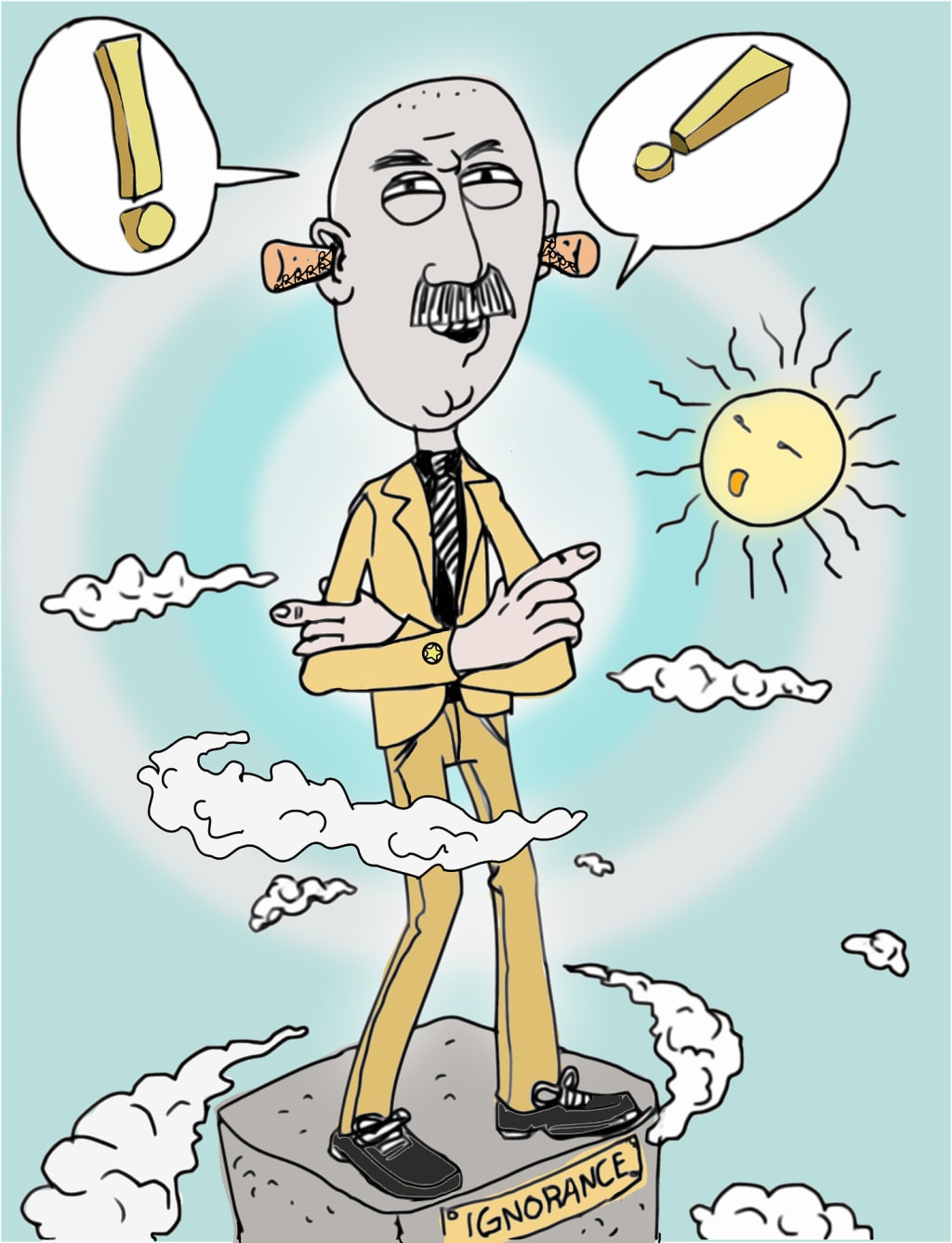
The relative lack of engagement with the article on many platforms (though not all) indicates that the topic touches a collective raw nerve. While a small number of readers did engage thoughtfully, the broader pattern of disengagement raises an uncomfortable question: why? In online spaces where many consider themselves “woke,” why might an article shining a light on the experiences of an overlooked marginalized population cause people to disengage?
This “deadly silence” emanates from a reluctance to confront uncomfortable truths about how racial categories are constructed and maintained to benefit certain groups. For this reason, discussions about the “Black biracial experience” are triggering for people from a range of backgrounds, causing them to tune out.
"Content that supports dominant narratives gets more engagement, while material that challenges those narratives is penalized."
Indeed, in our racially hierarchical society, rigid classifications contribute to many people's sense of identity. Some white individuals may experience discomfort in situations that challenge these categories (e.g., being confronted with the reality that someone they categorize as "Black" actually has a white parent). As a Black biracial person, I experienced this firsthand: In the late 1990s, when my white mother visited me at my university workplace in the UK, a white professor visibly winced after overhearing me introduce her as my mother.
From a Black perspective, prioritizing Black unity is understandably important. As a result, discussing the Black biracial experience is often viewed as threatening that solidarity or as challenging the idea that anyone with African ancestry is considered Black. Some point out that all African Americans have some mixed heritage, insinuating that a first-generation biracial experience is neither particularly unique nor noteworthy. The assumption is that, since Black biracial people are socially perceived as Black, their lived realities are identical to those in the broader Black community. This view overlooks how our racially hierarchical society creates specific challenges for those with one Black and one white parent, as discussed in the article referenced above.
"When dominant groups ignore the lived experiences of marginalized people, those realities are effectively erased."
Within the “mixed community,” the concept of a “Black biracial” experience disrupts prevailing clichés about mixedness, such as the familiar “What are you?” anecdotes featured in journalistic articles, academic research, and online forums. Against this backdrop, an article centering the 61% of Black-White biracial individuals who, according to Pew Research, are perceived as Black forces a reckoning with societal anti-Blackness that many prefer to ignore.
On social publishing platforms, content that supports dominant narratives gets more engagement, while material that challenges those narratives is penalized. Ironically, this silences the neglected social realities we most need to discuss. The way this has played out with the topic of Black biraciality can be viewed as an example of “epistemic erasure”: when dominant groups ignore the lived experiences of marginalized people, those realities are effectively erased. Ultimately, we have a moral obligation to address epistemic erasure by amplifying these suppressed stories. Those who unhypocritically value equity, diversity and inclusion recognize that the discomfort that this topic evokes is precisely why it needs to be discussed.
© 2026 Clare Xanthos
About the Creator
Clare Xanthos
Researcher & Writer. Interests: racial equity, social justice, cultural identity. Co-editor & an author of 2 chapters in the book "Social Determinants of Health among African-American Men." PhD in Social Policy (London School of Economics).
Keep reading
More stories from Clare Xanthos and writers in The Swamp and other communities.
Why Black History Matters in America?
The United States of America is celebrating their 250th anniversary in 2026. I'm proud to be an American and as someone who was born here, I wouldn't imagine myself living anywhere else. This is a country where opportunities are possible. Where anyone can be successful in anything they desire to do. Equality, community, and togetherness are the backbones of what America is and should be about. However, we have an administration who wants to erase and disregard those who have made positive, meaningful impacts in our country, specifically Black figures, such as Martin Luther King, Jr., Rosa Parks, and Maya Angelou. President Trump and his administration have been constantly complaining and fighting against what they call the "Woke agenda". They use this excuse as a distraction from other issues they refuse to address, such as the high cost of living, climate change, and inflation. That equality is dividing America, when in reality, it's bringing us together. Being woke is not tied to a specific political party. No matter where you stand on the political spectrum, you can still care about other people and their plights. Compassion and empathy for others isn't tied to a political party, either. We were taught as children to treat others the way we want to be treated and not judge others because they're different from us. Caring about others isn't a personal attack on your beliefs. It doesn't make you any less of a person. People who are easily offended over African American figures, past or present, or anything related to it, are grasping at straws. Current and future generations need to know who people like Harriet Tubman and Shirley Chisholm were, especially in the classroom. Black History is part of American History. It should be recognized, not hidden or forgotten. Besides, you can't shield children from everything, just because your feelings are easily hurt.
By Mark Wesley Pritchard 7 days ago in The Swamp
US Pushes Russia and Ukraine to End War by June, Says Zelensky
The United States is intensifying its diplomatic push to bring an end to the ongoing war between Russia and Ukraine, with a proposed deadline set for June, according to Ukrainian President Volodymyr Zelensky. The revelation signals renewed urgency from Washington as the conflict drags on, exacting a heavy toll on civilians, global security, and international relations.
By Ayesha Lashariabout 9 hours ago in The Swamp


Comments
There are no comments for this story
Be the first to respond and start the conversation.