
Pakistan to Boycott T20 World Cup Match Against India on February 15
Political tensions spill into cricket as Pakistan signals withdrawal from high-profile World Cup clash, raising questions over sport, diplomacy, and the tournament’s future

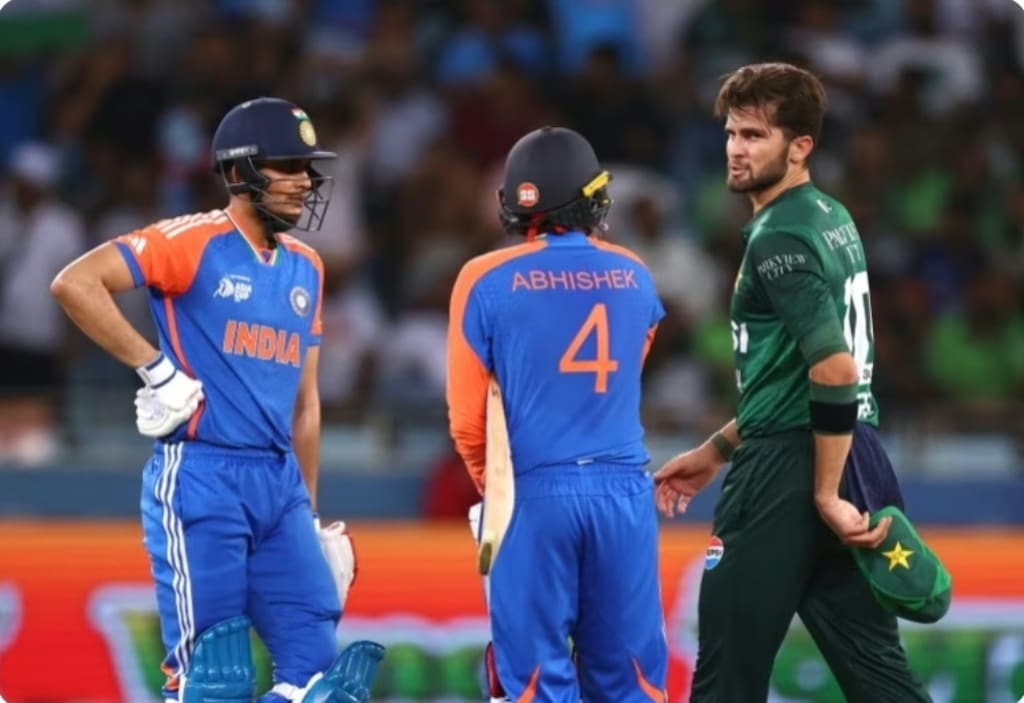
Cricket, long described as a unifying force in South Asia, is once again at the center of geopolitical tension after reports emerged that Pakistan will boycott its T20 World Cup match against India scheduled for February 15. The decision, if formally confirmed by the Pakistan Cricket Board (PCB) and tournament organizers, would mark one of the most dramatic moments in modern cricket diplomacy, underscoring how deeply politics and sport remain intertwined in the region.
The potential boycott has sent shockwaves through the cricketing world. Matches between Pakistan and India are not merely sporting contests; they are global events that attract hundreds of millions of viewers, generate massive commercial revenues, and often serve as rare moments of engagement between two nuclear-armed neighbors with a long history of conflict.
---
Background: A Rivalry Beyond the Boundary
The rivalry between Pakistan and India is among the most intense in world sport. Rooted in history, politics, and national identity, encounters between the two teams carry emotional weight far beyond the pitch. Over the years, bilateral cricket series have frequently been suspended, resumed, and suspended again due to diplomatic crises, border tensions, or security concerns.
In recent decades, multinational tournaments like the T20 World Cup have been the only consistent platform where Pakistan and India face each other. These matches are often marketed as the highlight of the tournament, drawing record-breaking television ratings and sponsorship interest.
A boycott, therefore, is not a routine administrative decision — it represents a significant escalation that could reshape the dynamics of the tournament and the future of cricketing ties.
---
Why Pakistan Is Considering a Boycott
According to sources familiar with the matter, Pakistan’s decision is linked to ongoing political and diplomatic tensions with India, including disputes over regional security, cross-border accusations, and concerns regarding the treatment of Pakistani players and fans.
Officials close to the PCB have reportedly expressed frustration over what they describe as an “unfair and politicized environment” surrounding Pakistan’s participation in events involving India. There are also claims of inadequate assurances related to team security, visa issues, and equal treatment under tournament arrangements.
While no official statement has yet detailed every reason behind the move, the message from Islamabad appears clear: Pakistan does not want cricket to be used as a platform that ignores or sidelines broader political grievances.
---
Impact on the T20 World Cup
The absence of a Pakistan-India clash would be a major blow to the T20 World Cup.
From a commercial perspective, broadcasters and sponsors invest heavily in anticipation of this marquee fixture. Advertising rates for Pakistan-India matches are often several times higher than for other games. A boycott could lead to financial losses for the International Cricket Council (ICC) and its commercial partners.
From a sporting standpoint, the tournament’s competitive balance could also be affected. Depending on tournament rules, Pakistan’s withdrawal from the match might result in points allocation, forfeits, or rescheduling complications, potentially influencing qualification scenarios in the group stage.
Cricket analysts warn that such disruptions risk undermining the integrity of the competition and setting a precedent for political withdrawals in future global events.
---
Reactions from Players, Fans, and Officials
The reported boycott has triggered strong reactions across the cricketing spectrum.
Fans in Pakistan are divided. Some support the decision, viewing it as a principled stand that prioritizes national dignity over sport. Others argue that cricket should remain separate from politics and that fans should not be deprived of one of the game’s most anticipated contests.
Indian fans have expressed disappointment and frustration, with many pointing out that players from both sides have often spoken about mutual respect and professionalism on the field.
Former players from both countries have urged restraint. Several ex-cricketers have publicly called for dialogue, emphasizing that cricket has historically served as a bridge during periods of political strain.
The ICC has so far maintained a cautious stance, reportedly engaging in behind-the-scenes discussions with both boards to prevent a complete breakdown.
---
Cricket and Diplomacy: A Long, Complicated History
Cricket diplomacy between Pakistan and India has oscillated for decades. There have been moments when matches helped thaw relations, such as high-profile tours followed by diplomatic engagements. At other times, attacks or political crises have led to immediate suspension of cricketing ties.
The current situation reflects a broader trend in international sport, where athletes and tournaments increasingly find themselves entangled in geopolitical disputes. From Olympic boycotts during the Cold War to recent controversies in football and other sports, the line between sport and politics has never been entirely clear.
What makes the Pakistan-India case unique is the emotional intensity of the rivalry and the scale of global attention it commands.
---
What Happens Next?
Several scenarios remain possible:
1. Last-minute mediation: The ICC, along with neutral cricket boards, could broker an agreement addressing Pakistan’s concerns, allowing the match to go ahead as scheduled.
2. Official boycott: Pakistan could formally refuse to play, leading to a forfeit and significant repercussions for the tournament.
3. Neutral compromise: In an unlikely but discussed option, alternative arrangements such as symbolic protests or modified protocols could allow the match to proceed without either side appearing to concede politically.
Much will depend on diplomatic developments in the days leading up to February 15.
---
Conclusion: More Than Just a Match
The potential boycott of the Pakistan vs India T20 World Cup match highlights a difficult reality: in South Asia, cricket is never just a game. It is a reflection of history, politics, and public sentiment, played out on a global stage.
Whether the match ultimately takes place or not, the episode serves as a reminder that sport cannot fully escape the forces shaping the world around it. For fans, players, and organizers alike, the hope remains that dialogue will prevail — allowing cricket to once again offer moments of competition, respect, and unity in a divided region.
About the Creator
Keep reading
More stories from Salaar Jamali and writers in The Swamp and other communities.
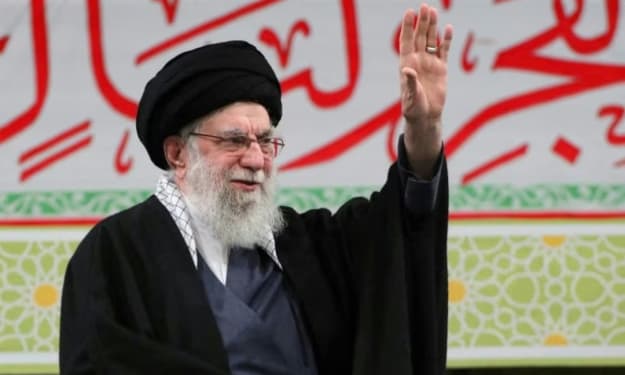
Khamenei’s Stark Warning: “Any U.S. Attack Means Regional War”
Iran’s Supreme Leader Ayatollah Ali Khamenei has issued one of his strongest statements yet against U.S. military action, warning on 1 February 2026 that any attack on Iran by the United States would ignite a “regional war” across the Middle East. His remarks came amid sharply escalating tensions between Tehran and Washington, marked by military deployments, diplomatic standoffs, and deepening regional unease.
By Salaar Jamaliabout 16 hours ago in The Swamp


Comments
There are no comments for this story
Be the first to respond and start the conversation.