
Private Schools Announce Strike: What It Means for Students, Parents, and the Education System
Understanding the Causes, Consequences, and Wider Impact of the Private School Strike

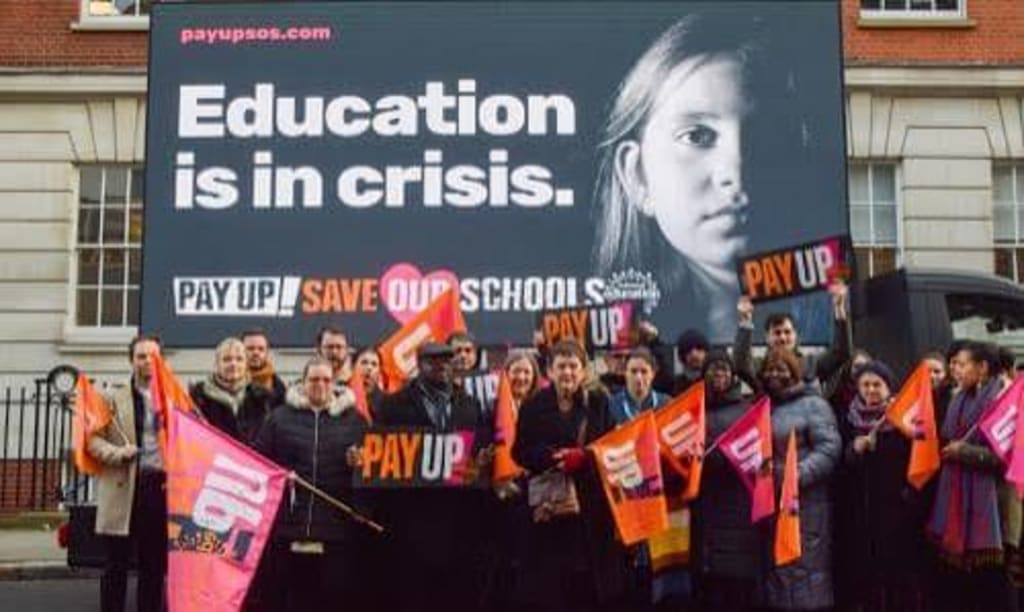
Private schools across the country have announced a coordinated strike, sending shockwaves through the education sector and leaving thousands of parents and students facing uncertainty. The decision, driven by mounting financial pressures, unresolved disputes with management bodies, and growing dissatisfaction among teaching staff, highlights deeper challenges within the private education system that have been building for years.
While strikes are more commonly associated with public-sector education, this move by private schools signals a turning point—one that raises serious questions about sustainability, fairness, and the future of quality education.
Why Are Private Schools Going on Strike?
At the heart of the strike are teacher grievances over pay, job security, and working conditions. Many educators in private institutions argue that despite rising tuition fees, their salaries have stagnated, benefits have been reduced, and workloads have increased significantly.
Teachers report longer teaching hours, larger class sizes, and added administrative responsibilities without corresponding compensation. In some cases, contracts are renewed annually, offering little job security and limiting teachers’ ability to raise concerns without fear of dismissal.
School administrations, on the other hand, cite rising operational costs, inflation, and declining enrollments as reasons for financial strain. However, educators counter that cost-cutting measures have disproportionately affected staff rather than management structures.
The Scale of the Strike
The strike involves hundreds of private schools, ranging from elite institutions to mid-fee schools that cater to middle-income families. Some schools have announced full closures for the duration of the strike, while others are operating with reduced staff or switching temporarily to online learning.
Teacher unions and associations claim this is not a short-term protest but a last-resort action after months of failed negotiations. Many schools had issued warnings to parents in advance, yet the sudden disruption has still caught families off guard.
Impact on Students
Students are the most immediate casualties of the strike. Academic schedules have been disrupted, examinations postponed, and coursework delayed. For students preparing for board exams or university admissions, the uncertainty is particularly stressful.
Younger children, who rely heavily on structured learning environments, are also affected. Parents report difficulty managing childcare, especially working families who depend on schools for daily routine and supervision.
Mental health experts warn that prolonged disruption can affect students’ emotional well-being, particularly when uncertainty replaces stability in their daily lives.
Parents Caught in the Middle
Parents, already burdened by rising tuition fees, find themselves frustrated and conflicted. Many sympathize with teachers’ demands, recognizing their role in shaping children’s futures. At the same time, families question why high fees are not translating into better pay and working conditions for educators.
Some parents have demanded fee reductions or refunds for missed school days, while others are calling for greater transparency from school administrations regarding financial management.
The strike has also sparked debates about accountability in private education, an area often less regulated than public schooling.
A Broader Crisis in Private Education
The strike reflects a deeper structural issue within the private education sector. Over the years, private schools have expanded rapidly, often operating as profit-driven institutions rather than purely educational ones. This model, critics argue, places financial performance above teacher welfare and educational quality.
Additionally, the absence of strong regulatory frameworks means that disputes often escalate without effective mediation. Unlike public schools, private institutions lack standardized salary scales or employment protections, leaving teachers vulnerable.
The strike has reignited calls for education sector reforms, including minimum wage standards for private school teachers, contract protections, and oversight of fee structures.
Responses from Authorities
Education departments and labor ministries have urged both sides to return to the negotiating table. Officials warn that prolonged disruption could violate education continuity laws and harm students’ right to learning.
Some governments have offered to mediate, while others are considering emergency measures to ensure schools reopen. However, teachers insist that without concrete commitments, returning to classrooms would only delay the inevitable.
What Happens Next?
The outcome of the strike will likely shape the future of private education. If teachers succeed in securing better conditions, it could set a precedent for labor rights within private institutions. If not, the sector may face continued unrest, staff shortages, and declining trust from parents.
One thing is clear: the strike has exposed cracks in a system long assumed to be stable.
Conclusion
The private schools strike is more than a labor dispute—it is a wake-up call. It forces parents, policymakers, and school operators to confront uncomfortable truths about how education is valued and who bears the cost of maintaining it.
As negotiations continue, the hope remains that a balanced solution can be found—one that respects teachers, protects students, and preserves the integrity of education itself. Without meaningful reform, however, the classrooms reopening may only mark a temporary pause in a much larger crisis.
About the Creator
Fiaz Ahmed Brohi
I am a passionate writer with a love for exploring and creating content on trending topics. Always curious, always sharing stories that engage and inspire.
Keep reading
More stories from Fiaz Ahmed Brohi and writers in The Swamp and other communities.
US Raid on Venezuela Sparks Global Outcry: UN Rights Body Warns of a Dangerous Breach of International Law
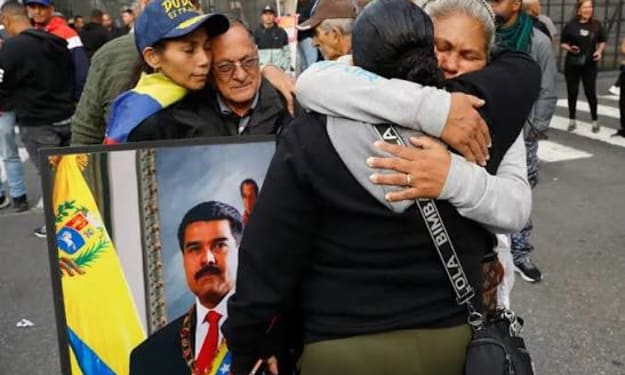
The recent United States raid on Venezuelan territory has ignited intense international debate, with a United Nations human rights body stating that the operation “undermined a fundamental principle of international law.” The remark has added legal and moral weight to growing global concerns, raising urgent questions about sovereignty, the use of force, and the future of international norms in an increasingly polarized world. What Happened and Why It Matters According to official statements, the US operation targeted individuals and infrastructure linked to alleged criminal or security threats. While Washington framed the raid as a necessary action to protect its national interests, critics argue that the operation crossed a critical legal line. By conducting a unilateral raid inside another sovereign state without clear international authorization, the US has reignited long-standing debates about the limits of power in global affairs. At the heart of the controversy is a core principle of international law: the sovereignty of states. This principle, enshrined in the United Nations Charter, holds that nations have the right to govern their own territory without external interference. The UN rights body’s warning suggests that the raid risks weakening this foundational rule, one that underpins global stability. The UN’s Legal Concern Explained The UN human rights body emphasized that respect for sovereignty is not a symbolic concept but a legal safeguard designed to prevent chaos and conflict. If powerful nations act unilaterally whenever they perceive a threat, smaller or weaker states may be left vulnerable, and international law could lose its authority. From a legal standpoint, the use of force across borders is only permitted under limited circumstances: self-defense against an imminent threat or with authorization from the UN Security Council. Critics argue that the US raid did not clearly meet these criteria, making it a troubling precedent for future conflicts. Venezuela’s Reaction and Regional Impact Venezuela has strongly condemned the raid, calling it a violation of its territorial integrity and a continuation of what it describes as external pressure and interference. The incident has further strained relations between Caracas and Washington, which have been tense for years due to sanctions, political disputes, and differing views on governance and legitimacy. Beyond Venezuela, the raid has alarmed several Latin American nations. The region has a long history of foreign interventions, and many governments are wary of actions that echo past episodes of external military involvement. Regional organizations and political leaders have warned that such operations risk destabilizing not only Venezuela but the broader region. Human Rights and Civilian Risks Another major concern raised by human rights advocates is the potential impact on civilians. Raids and military operations, even when targeted, carry the risk of collateral damage. The UN body highlighted that international human rights law requires states to protect civilian lives and ensure accountability when force is used. Reports and allegations surrounding the raid have prompted calls for transparent investigations. Human rights groups argue that without independent scrutiny, victims may be denied justice, and future violations could be normalized. The Bigger Picture: Power, Precedent, and Global Order The US raid on Venezuela is not an isolated incident but part of a broader pattern in international relations where powerful states increasingly act outside multilateral frameworks. Supporters of such actions argue that global institutions are often slow or ineffective, leaving nations little choice but to act alone. Critics counter that bypassing international law undermines the very system designed to prevent war and protect human rights. The UN’s warning reflects fears that repeated breaches of sovereignty could erode trust in international institutions. If international law is applied selectively, its credibility weakens, making it harder to resolve conflicts peacefully. Voices in Support and Opposition Within the United States, reactions have been mixed. Some policymakers defend the raid as a necessary measure against transnational threats, arguing that national security must come first. Others caution that short-term tactical gains may lead to long-term strategic losses by damaging alliances and international standing. Globally, legal scholars and diplomats have echoed the UN’s concerns, stressing that respect for international law is essential, especially during times of geopolitical tension. What Comes Next? As the debate continues, pressure is mounting for clearer explanations, legal justifications, and potential international review. Whether through the UN, regional bodies, or diplomatic channels, many observers believe that accountability and dialogue are crucial to prevent escalation. The incident also serves as a wake-up call for the international community. Upholding international law requires collective commitment, not just words. When powerful nations are perceived to act above the rules, the entire system is at risk. Conclusion The UN rights body’s statement that the US raid on Venezuela “undermined a fundamental principle of international law” goes beyond criticism—it is a warning. Sovereignty, legality, and human rights are cornerstones of global order, not obstacles to be bypassed. As the world watches how this situation unfolds, the response will help define whether international law remains a guiding force or becomes a fragile ideal in an era of power politics. For readers and policymakers alike, this moment underscores a critical truth: global security cannot be built on selective legality. Respect for international law is not optional—it is essential for a more stable and just world.
By Fiaz Ahmed Brohi2 months ago in The Swamp
A Gathering of Evil Bosses
“I’m the queen of chin jutting while I smooth my hair, attacking, insulting, and deflecting to protect my appointer.” “Oh, please, Blondi, my hair is curled, highlighted, and longer than yours. I feature television commercials telling immigrants that we will give them a free plane ride home, and if they voluntarily turn themselves in, they will be allowed to legally apply for re-entry. It runs everywhere, and I look good in it! You can’t compete because of your blond hair. Mine is nicer, and my lips are prettier than yours.”
By Andrea Corwin 3 days ago in The Swamp
PTI Leader Latif Khosa Writes to CJP, Raises Concerns Over Imran’s Medical Check-Up at Adiala Jail in ‘Secrecy’
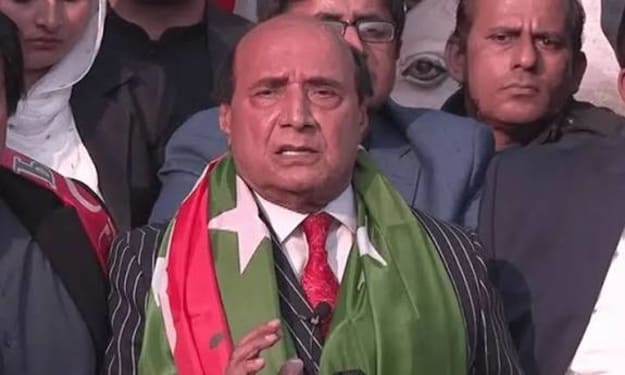
Senior Pakistan Tehreek-e-Insaf (PTI) leader Latif Khosa has written a formal letter to the Supreme Court of Pakistan, urging immediate judicial intervention over what he described as a “secretive and non-transparent” medical examination of former prime minister Imran Khan at Adiala Jail. In his letter addressed to the Chief Justice of Pakistan, Khosa alleged that Khan’s recent medical check-up was conducted without informing his legal team or family members and without following standard legal and medical protocols. The PTI leader claimed that this secrecy has raised serious concerns about Khan’s health, safety, and constitutional rights while in custody. Concerns Over Transparency Khosa stated that the medical examination was carried out under “unusual circumstances,” with restricted access to independent doctors and no official medical report shared with Khan’s lawyers. According to the letter, this violated basic principles of transparency and due process guaranteed under Pakistan’s Constitution and international human rights conventions. “Such secrecy creates doubt and anxiety regarding the true state of Mr. Khan’s health,” Khosa wrote, emphasizing that a former prime minister and political leader must not be deprived of proper and transparent medical care. He urged the court to ensure that future medical assessments be conducted in the presence of independent physicians and legal representatives. Health Issues and Previous Warnings Imran Khan, who has been in custody in multiple cases, has previously complained of deteriorating health conditions, including vision problems and chronic pain. PTI officials have repeatedly warned that his confinement conditions could worsen his medical state if not monitored properly. Party leaders have also accused jail authorities of denying him access to personal physicians and adequate medical facilities. While prison officials have denied these claims, asserting that Khan is receiving routine care under jail regulations, PTI leaders argue that the lack of documentation and public reporting undermines those assurances. Legal and Political Dimensions The issue has quickly taken on political significance, with PTI framing the situation as part of a broader pattern of pressure on its leadership. Khosa’s letter highlights what he called a “systematic effort to isolate Imran Khan” by restricting communication, visitation rights, and now medical transparency. Legal experts say the matter could prompt the Supreme Court to seek a detailed report from jail authorities and health officials. In past cases involving high-profile detainees, the court has intervened to ensure independent medical boards were formed and periodic health reports submitted. Khosa requested that the Chief Justice order the constitution of a neutral medical board comprising senior doctors from government hospitals, with authority to conduct a comprehensive health assessment of Khan and submit findings directly to the court. Reaction from PTI Leadership PTI leaders rallied behind Khosa’s move, calling it a necessary step to safeguard Khan’s well-being. Several party figures said the secrecy surrounding the medical check-up had alarmed supporters and family members alike. A senior PTI spokesperson said the party was not seeking preferential treatment but only equal rights under the law. “Every prisoner has the right to transparent medical care. Imran Khan is no exception,” the spokesperson said, adding that the party would continue to pursue legal remedies if concerns were not addressed. Government and Jail Authorities’ Position Officials from Adiala Jail have maintained that Khan is receiving medical attention according to prison rules and that no extraordinary measures were taken. They argue that medical procedures inside high-security prisons often involve limited disclosure due to security considerations. Government representatives have also rejected claims of mistreatment, stating that opposition leaders are politicizing a routine health check-up. However, they have not publicly released detailed medical findings, citing privacy and security concerns. Broader Implications The controversy highlights ongoing tensions between the PTI and state institutions, especially the judiciary and prison authorities. Analysts believe the case could further polarize the political environment, as supporters interpret the issue as symbolic of larger questions about rule of law and human rights. Human rights advocates have called for full transparency in the treatment of political detainees, warning that secrecy in medical matters can erode public trust in institutions. What Comes Next The Supreme Court is expected to review Khosa’s letter and decide whether to seek an official response from jail authorities or order an independent medical evaluation. If taken up, the case could set a precedent for how health concerns of high-profile prisoners are handled in Pakistan. For now, the issue remains a focal point for PTI’s legal and political campaign, with party leaders insisting that only judicial oversight can guarantee Imran Khan’s safety and constitutional rights while he remains in custody.
By Fiaz Ahmed 6 days ago in The Swamp
At My Wits’ End
Life is about taking out the trash and calling it trash because you have every reason to. It wasn't meant to be linear, they say. But the times you tried to make it straight led to problems, and you didn’t have the tools to put any of it to use. You don't put your right shoes on the right feet; you put the left shoes on the left feet. The grey hardened slab will trip you up anyway.
By Caitlin Charlton3 days ago in Humans


Comments
There are no comments for this story
Be the first to respond and start the conversation.