
Rupee Strongly Bounces Back Against Australian Dollar, British Pound, Euro
Currency rebound driven by strong inflows, improved trade balance, and renewed investor confidence


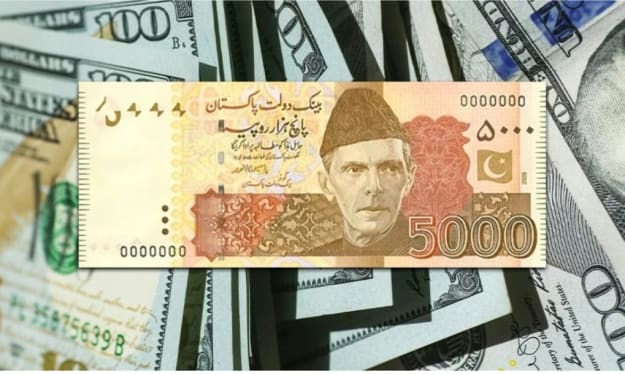
The Pakistani rupee has staged a remarkable recovery against major foreign currencies, including the Australian dollar, British pound, and euro, reflecting a broader shift in investor sentiment and improving economic fundamentals. Analysts say the rebound is the result of a combination of strong remittances, a narrowing trade deficit, and proactive monetary measures by the central bank, signaling renewed confidence in the country’s financial stability.
This currency rally comes at a crucial time for Pakistan, as global economic uncertainties and domestic fiscal pressures continue to influence market dynamics.
Rupee Performance Against Key Currencies
The rupee’s appreciation has been particularly notable against the Australian dollar, British pound, and euro. In recent trading sessions, the rupee gained by nearly 1.5% against the Australian dollar, 1.2% against the British pound, and 1.3% against the euro. Market observers describe this as a significant move, considering the currency’s previous volatility and sustained depreciation pressures over the past year.
Economists note that such rebounds are often driven by both domestic and external factors, ranging from foreign exchange inflows to adjustments in monetary policy.
Key Drivers of the Rebound
1. Strong Remittances:
Remittances from overseas Pakistanis continue to be a lifeline for the economy. Inflows from the Middle East, Europe, and North America have surged in recent months, increasing the availability of foreign currency in the market. This additional supply has eased pressure on the rupee, allowing it to recover against multiple currencies.
2. Trade Balance Improvements:
Pakistan’s trade deficit, while still a concern, has shown signs of moderation. A combination of higher exports in textiles and agricultural goods and reduced non-essential imports has contributed to a more balanced trade position. This has provided additional support for the rupee, as reduced demand for foreign currency translates into upward pressure on the local unit.
3. Central Bank Interventions:
The State Bank of Pakistan (SBP) has maintained a cautious yet proactive stance, using monetary tools to manage liquidity and stabilize the currency. By carefully regulating foreign exchange auctions and maintaining adequate reserves, the SBP has helped restore market confidence, discouraging speculative selling of the rupee.
4. Investor Sentiment:
Renewed confidence among domestic and foreign investors has also played a role. Positive signals from economic reforms, fiscal discipline, and regulatory measures have encouraged capital inflows, further strengthening the rupee. Analysts point out that when investors perceive stability, demand for the local currency increases, contributing to short-term appreciation.
Implications for the Economy
The rupee’s rebound has multiple economic implications.
1. Inflation Control:
A stronger rupee helps reduce the cost of imported goods and commodities priced in foreign currencies, such as oil, machinery, and pharmaceuticals. This can ease inflationary pressures, benefiting both consumers and businesses.
2. Boost to Business Confidence:
Predictable exchange rates encourage businesses to plan imports and exports more effectively. Manufacturers, exporters, and traders can hedge costs more reliably, which could lead to increased investment and production in key sectors.
3. Impact on Foreign Debt:
For a country with significant external debt obligations, a stronger rupee reduces the local currency cost of servicing foreign-denominated loans, easing fiscal pressure and potentially freeing resources for development projects.
Challenges Remain
Despite the positive momentum, analysts caution that the rebound may be fragile. Global factors, such as fluctuations in the US dollar, commodity prices, and geopolitical tensions, can quickly reverse gains. Domestically, structural challenges like fiscal deficits, energy costs, and reliance on imports continue to pose risks to sustained currency strength.
Moreover, the rupee’s recovery against major currencies does not necessarily translate to overall economic stability. Persistent inflation, unemployment, and political uncertainty remain critical factors that influence long-term investor confidence.
Expert Opinions
Economists suggest that while the rebound is encouraging, it should be viewed as part of a broader effort to strengthen the economy. Dr. Ahmed Khan, a senior macroeconomist, noted, “The rupee’s recent performance against the Australian dollar, pound, and euro is a positive sign. However, sustained strength will depend on continued foreign inflows, export growth, and sound fiscal and monetary policies.”
Financial analysts also emphasize the role of market psychology. A sudden surge in confidence can lead to short-term currency rallies, but long-term stability requires structural reforms, diversified exports, and strong governance.
Outlook for the Rupee
Looking ahead, the rupee is expected to maintain moderate strength in the short term, supported by remittances, a narrowing trade gap, and investor confidence. However, external shocks—such as a rise in global oil prices or US interest rate adjustments—could impact the trend.
Market participants are advised to remain cautious, monitor policy announcements, and consider hedging strategies to navigate potential volatility. Analysts also highlight the importance of continued reforms to ensure that the rupee’s rebound translates into sustainable economic benefits.
Conclusion
The rupee’s strong bounce back against the Australian dollar, British pound, and euro reflects a confluence of positive factors, from robust remittances and trade improvements to central bank interventions and renewed investor confidence. While this recovery is a welcome respite from previous depreciation pressures, sustaining momentum will require ongoing fiscal discipline, structural reforms, and careful management of domestic and external risks.
For businesses, consumers, and policymakers alike, the rupee’s recent performance offers hope, but also a reminder that currency stability is closely linked to broader economic resilience.
About the Creator
Keep reading
More stories from Salaar Jamali and writers in The Swamp and other communities.
Rupee Beats Dollar for the 90th Day in a Row
The rupee has extended its remarkable run against the US dollar, outperforming the greenback for the 90th consecutive trading day and marking one of the longest periods of currency stability in recent history. The milestone has drawn widespread attention from economists, investors, and policymakers, who view the streak as a sign of improved macroeconomic management and renewed confidence in the country’s financial outlook.
By Salaar Jamaliabout 20 hours ago in The Swamp
Right-wing Populist Laura Fernández Claims Victory in Costa Rica’s Elections. Here’s What to Know.
Right-wing populist Laura Fernández has claimed victory in Costa Rica’s presidential election, according to preliminary and partial results that suggest she has secured enough votes to avoid a runoff and become the country’s next president. The outcome caps a heated campaign built around security concerns, political discontent and the appeal of continuity with the outgoing government. Reuters +1 Fernández’s projected win signals a significant shift in Costa Rican politics — a country long regarded as a stable democracy in Central America — and reflects growing voter frustration over rising crime and a desire for what her supporters describe as stronger leadership. Financial Times A Populist Victory in the First Round Preliminary results from Costa Rica’s Supreme Electoral Tribunal indicate that Fernández, the 39-year-old candidate of the right-wing Sovereign People’s Party (PPSO), garnered nearly half of the vote with more than 88% of ballots counted, comfortably above the 40% threshold needed to win in the first round of voting and avoid a runoff scheduled for April 5. MarketScreener Her closest rival, centrist economist Álvaro Ramos of the long-established National Liberation Party, received approximately one-third of the vote and has already conceded the race, though he emphasized his intention to remain a vigorous opposition voice in Costa Rican politics. Reuters A Protege of President Chaves Fernández’s political rise has been closely linked to outgoing President Rodrigo Chaves Robles, who is constitutionally barred from immediate re-election but remains a central figure in national discourse. She previously served in his administration as minister of national planning and economic policy as well as minister of the presidency — roles that positioned her as both a technocrat and loyalist. Wikipedia Her campaign leaned heavily on promises to continue Chaves’ hard-line security policies and anti-establishment rhetoric. Crime, particularly drug-related violence and rising homicide rates, became a dominant theme during the campaign, with many voters expressing anxiety about insecurity after years of historically low crime figures. Kuwait Times In her victory speech, Fernández described her win as ushering in a “new political era” for Costa Rica. She called for broad changes, asserting that the nation was moving beyond its post-civil war political framework toward what she termed a “transformative” agenda. MarketScreener The Sovereign People’s Party’s Strengthened Position Fernández’s governing party, the Sovereign People’s Party (PPSO), is also projected to make substantial gains in the 57-seat Legislative Assembly, winning roughly half of the seats, up from just eight in the previous legislature. While that may not constitute a supermajority — which would enable sweeping constitutional changes — it substantially strengthens her ability to pursue her legislative priorities. Reuters Critics had warned that a supermajority could threaten institutional checks and balances, but even without it, the PPSO’s position represents a sharper tilt to the right in the Assembly and reduces the influence of traditional parties that have long dominated Costa Rican politics. Financial Times Policies and Promises Security remains Fernández’s top priority. She has pledged to continue construction of maximum-security prisons, increase penalties for violent crime and introduce states of emergency in areas most affected by gang activity — policies that critics compare to those implemented by leaders like El Salvador’s Nayib Bukele. Supporters argue such measures are necessary to regain public safety and curb cartel influence. Kuwait Times Fernández has also positioned herself as a candidate of continuity, promising to retain key figures from Chaves’ government in advisory or leadership roles. This has raised questions about how much authority Chaves’ influence will have on her presidency, given legal restrictions on consecutive terms. Wikipedia Economically, her platform mixes social conservatism with elements of economic liberalism, part of PPSO’s broader ideological stance. The party, founded in 2022, blends nationalist and populist appeals, including skepticism toward traditional elites and an emphasis on “sovereignty” in policy decisions. Wikipedia Mixed Reactions at Home and Abroad Reaction within Costa Rica has been polarized. Fernández’s supporters view her triumph as a mandate for decisive action on crime and public order after years of fear and frustration. Many voters who backed her cited concerns about daily security and dissatisfaction with what they see as bureaucratic stagnation. thestar.com.my Opposition groups and civil society organizations, however, worry about the implications of her approach for democratic norms. They caution that hard-line tactics and expanded executive authority could erode institutional balances and civil liberties. Some critics also express concern about whether Fernández’s confrontational style, reminiscent of figures like Rodrigo Chaves and other populists, could deepen political divisions. Financial Times Internationally, Fernández’s election is being watched as part of a broader trend in Latin America, where voters in several countries have shifted toward right-wing or populist leaders in recent years — often in response to crime, economic anxiety and disillusionment with traditional political parties. Financial Times Challenges Ahead Assuming office in May 2026, Fernández will confront immediate challenges: stemming gang violence, managing economic pressures, and governing effectively with a newly assertive legislature. How she navigates these issues will shape not only her domestic standing but also Costa Rica’s international relations, particularly as her government balances security cooperation with human rights commitments. Her victory also raises questions about the future of Costa Rica’s political landscape. While once defined by consensus and moderation, the country now grapples with more polarized and assertive leadership — a reflection of shifting public sentiment in an era of uncertainty and insecurity.
By Fiaz Ahmed about 22 hours ago in The Swamp



Comments
There are no comments for this story
Be the first to respond and start the conversation.