humanity
Humanity topics include pieces on the real lives of politicians, legislators, activists, women in politics and the everyday voter.
Why Australia Is Investing in Defence Infrastructure at Five Military Sites in the Philippines. AI-Generated.
Australia is taking a major step to strengthen its defense and strategic presence in Southeast Asia by investing in military infrastructure at five sites across the Philippines. This initiative is part of a growing trend of regional defense cooperation and reflects the increasing importance of Southeast Asia in global security dynamics.
By Aarif Lashari26 days ago in The Swamp
Suppliers: The Backbone of Global Trade, Communities, and Modern Economies. AI-Generated.
Suppliers are the often unseen backbone of modern economies, connecting raw materials to finished products and linking local communities to global markets. From small family-owned businesses to multinational corporations, suppliers play a critical role in ensuring that goods and services reach consumers efficiently and reliably.
By Aarif Lashari26 days ago in The Swamp
DoJ Deemed It ‘Unnecessary’ to Conclude Whether Seizing Maduro Violated International Law, Memo Reveals. AI-Generated.
A recently released Department of Justice (DoJ) memo has shed light on the controversial U.S. operation that led to the seizure of Venezuelan President Nicolás Maduro, revealing that the agency deemed it “unnecessary” to determine whether the action violated international law. This revelation adds a new dimension to an already politically and legally charged situation, sparking debate over the legality, ethics, and diplomatic implications of the operation.
By Aarif Lashari26 days ago in The Swamp
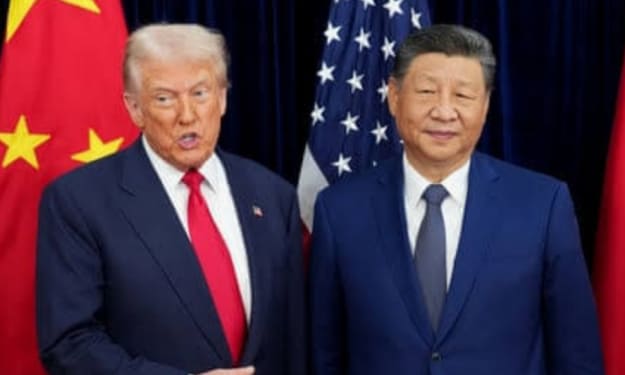
Trump Is Making China – Not America – “Great Again,” Global Survey Suggests. AI-Generated.
A recent international survey indicates that former President Donald Trump’s policies and rhetoric may have inadvertently strengthened China’s global standing, even as he aimed to bolster America. The survey, conducted across multiple continents, suggests that foreign public opinion increasingly views China as a rising power, while perceptions of U.S. leadership have seen a decline during Trump’s influence.
By Aarif Lashari26 days ago in The Swamp
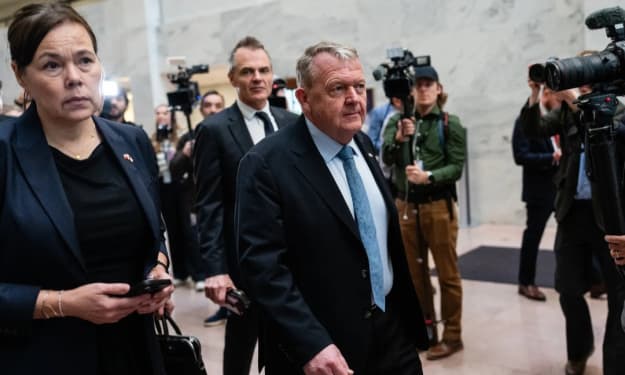
After Danish and U.S. Officials Meet on Greenland, Trump Remains Unmoved. AI-Generated.
Greenland, the world’s largest island, has long been recognized for its geopolitical and economic significance. Rich in natural resources, strategically located between North America and Europe, and home to vital Arctic sea routes, Greenland has become a focal point in global politics.
By Aarif Lashari26 days ago in The Swamp
Building High-Performance Teams: Harnessing Team Dynamics. AI-Generated.
In today’s fast-paced business environment, high-performance teams are the backbone of organizational success. These teams consistently deliver exceptional results, innovate under pressure, and adapt to changing circumstances. But building such a team requires more than simply assembling skilled individuals—it requires understanding and leveraging team dynamics, the invisible forces that influence how members interact, communicate, and collaborate.
By Aarif Lashari26 days ago in The Swamp
Kaiser Permanente Settles Medicare Fraud Claims for $556 Million. AI-Generated.
Kaiser Permanente, one of the largest nonprofit healthcare organizations in the United States, has agreed to settle federal Medicare fraud claims for $556 million. The settlement comes after years of investigation into allegations that the healthcare giant improperly billed Medicare for services, highlighting ongoing concerns about transparency, compliance, and accountability in the nation’s healthcare system. The resolution of these claims is a landmark moment, not only for Kaiser Permanente but also for the broader healthcare industry, as it underscores the federal government’s commitment to cracking down on fraudulent billing practices and protecting taxpayer funds. Background of the Case The Department of Justice (DOJ) and other federal agencies had been investigating Kaiser Permanente for alleged violations of the False Claims Act, which prohibits healthcare providers from knowingly submitting false or misleading claims to government programs. According to court filings, the claims centered on practices related to billing for certain medical services and procedures that were either unnecessary, misrepresented, or improperly coded. While Kaiser did not admit wrongdoing as part of the settlement, the agreement requires the company to implement strict compliance measures to prevent future violations. The investigation reflects broader concerns in the U.S. healthcare system, where fraud, waste, and abuse cost taxpayers billions annually. Medicare, the federal health insurance program for seniors and certain disabled individuals, is particularly vulnerable due to its size and complexity, covering over 60 million Americans. Details of the Settlement Under the terms of the settlement: Kaiser Permanente will pay $556 million to resolve claims without admitting liability. The funds will be distributed to the federal government and, in some cases, to state governments that participated in the investigation. The company will also enhance internal compliance programs, including monitoring billing practices, auditing claims, and training staff to adhere strictly to federal regulations. DOJ officials emphasized that such settlements serve both as restitution and a deterrent, signaling to other healthcare providers that fraudulent billing will not be tolerated. Impact on Kaiser Permanente While $556 million is a significant sum, Kaiser Permanente’s overall revenue exceeds $100 billion annually, meaning the financial impact, though notable, will not threaten the organization’s operations. However, the settlement carries reputational and operational consequences: Public Trust: Kaiser Permanente has long marketed itself as a trusted provider of high-quality care. Allegations of Medicare fraud could damage patient confidence. Operational Oversight: The company is required to strengthen compliance systems, which may affect day-to-day billing and administrative procedures. Legal Scrutiny: Even though this settlement resolves current claims, the organization may face increased oversight from federal and state regulators in the future. Industry experts note that large-scale healthcare providers like Kaiser often face complex regulatory challenges, and settlements of this magnitude can reshape corporate practices and influence broader industry standards. Why Medicare Fraud Matters Medicare fraud is a persistent challenge for the U.S. healthcare system. Each year, billions of taxpayer dollars are lost due to fraudulent claims, improper billing, and abuse. This fraud undermines the integrity of healthcare programs, increases costs for all beneficiaries, and erodes public trust. Some common forms of Medicare fraud include: Billing for services not provided Misrepresenting the level or type of service provided Unnecessary procedures or tests Kickbacks and incentive-driven referrals By settling claims and agreeing to enhanced compliance measures, Kaiser Permanente aims to mitigate future risk and signal a commitment to ethical billing practices. Reaction from Officials and Industry Experts The Department of Justice hailed the settlement as a significant step in combating healthcare fraud. Officials noted that large-scale cases like this demonstrate the federal government’s vigilance in protecting taxpayer money. Industry analysts also emphasized that settlements of this scale often trigger broader reforms, prompting other providers to review internal billing practices, strengthen compliance programs, and invest in training to prevent future violations. Consumer advocates welcomed the resolution but cautioned that enforcement must be ongoing, as systemic vulnerabilities in Medicare can continue to be exploited without vigilant oversight. Lessons for Healthcare Providers The Kaiser Permanente case offers important lessons for the healthcare industry: Compliance is Critical: Providers must maintain robust billing, auditing, and reporting systems to prevent errors or misuse. Transparency Matters: Public trust is essential in healthcare, and allegations of fraud can damage reputations even if no wrongdoing is admitted. Government Oversight is Persistent: Federal and state regulators are actively monitoring healthcare billing, and organizations must be prepared to respond proactively. Preventive Measures Pay Off: Investing in internal controls and staff training can reduce legal risk and improve operational efficiency. Experts predict that similar cases will continue to emerge as Medicare evolves, with new technologies, coding practices, and payment models creating both opportunities and risks. Broader Implications for the U.S. Healthcare System This settlement is not just about one organization—it reflects larger systemic challenges: Medicare fraud affects millions of Americans indirectly, contributing to higher premiums and increased federal spending. High-profile settlements act as deterrents to other providers, promoting ethical practices. They highlight the need for continuous oversight, robust auditing, and integration of technology to detect irregularities early. For patients, the case underscores the importance of being aware of their bills, understanding medical codes, and asking questions about services received. Conclusion: A Milestone in Accountability The $556 million settlement between Kaiser Permanente and federal regulators represents a major milestone in healthcare accountability. While the company did not admit wrongdoing, the agreement will likely lead to enhanced compliance measures, stronger internal monitoring, and increased scrutiny from regulators. For the broader healthcare industry, the case serves as a reminder that ethical practices, transparency, and vigilance are essential. With billions of taxpayer dollars at stake and millions of Americans relying on Medicare, preventing fraud remains a priority. Kaiser Permanente’s settlement may be historic in size, but the lessons it offers extend far beyond a single organization—reinforcing the ongoing need for integrity, accountability, and vigilance in the nation’s healthcare system.
By Muhammad Hassan26 days ago in The Swamp
Omani-Italian Relations Enter New Economic Chapter. AI-Generated.
Oman and Italy are taking their longstanding diplomatic and economic relationship to a new level, exploring opportunities to boost trade, investment, and technological collaboration. His Majesty Sultan Haitham bin Tariq of Oman has emphasized the importance of deepening economic ties with Italy, signaling a fresh chapter in bilateral cooperation.
By Aarif Lashari26 days ago in The Swamp
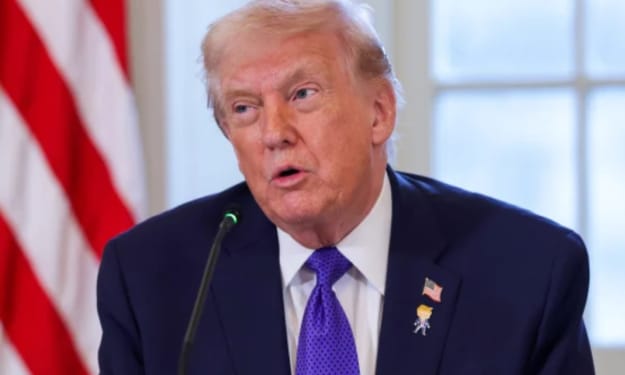
Trump Would Want Military Action in Iran to Be Swift and Decisive, Sources Say. AI-Generated.
Sources close to former President Donald Trump have suggested that, should the U.S. engage militarily with Iran, he would favor a swift and decisive operation aimed at achieving clear strategic objectives. The comments come amid rising tensions over Iran’s nuclear program, regional influence, and ongoing confrontations in the Middle East.
By Aarif Lashari26 days ago in The Swamp
Former Top Recruit Excels at Michigan Before Season-Ending Injury. AI-Generated.
The former top recruit at Michigan made waves this season, running for 857 yards and scoring 10 touchdowns in just seven games before a season-ending injury abruptly halted his campaign. Known for his explosive speed, agility, and field vision, the running back quickly became one of the Wolverines’ most dependable offensive weapons.
By Aarif Lashari26 days ago in The Swamp
Former Michigan Starting Safety Transferring to Virginia. AI-Generated.
In a move that has caught the attention of college football fans, former Michigan starting safety [Player Name] has announced his transfer to the University of Virginia. The decision marks a significant shift in the athlete’s career, signaling both a fresh start and a new opportunity to make an impact in the Atlantic Coast Conference (ACC).
By Aarif Lashari26 days ago in The Swamp