
Top 10 Countries Facing Economic Crisis in 2026
Rising inflation, debt pressure, and political instability push several nations toward financial uncertainty.

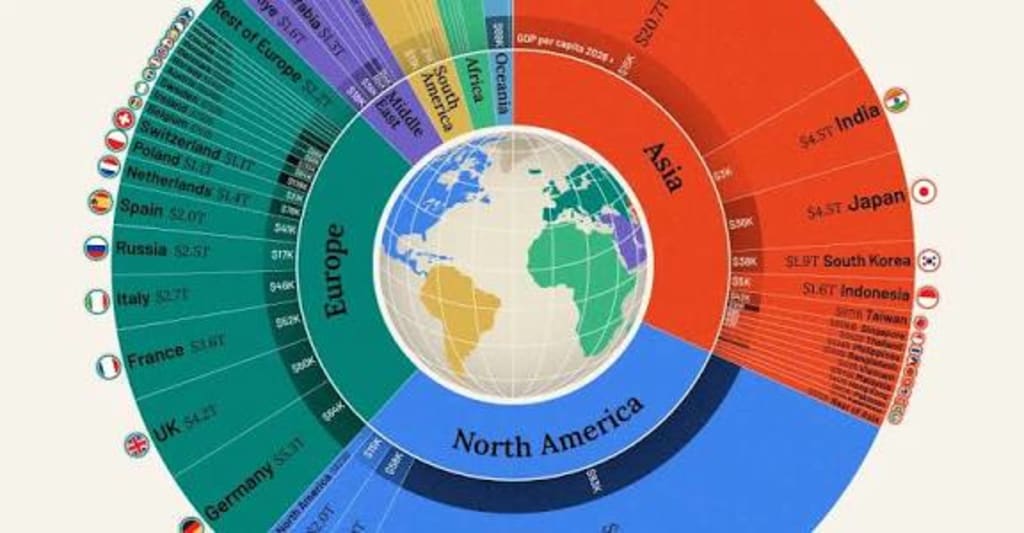
As the global economy continues to adjust to post-pandemic realities, geopolitical tensions, climate challenges, and rapid technological shifts, several countries are expected to face serious economic difficulties in 2026. Rising debt levels, inflationary pressures, political instability, and shrinking foreign reserves are placing immense strain on national economies. While economic crises can vary in severity, certain nations stand out due to persistent structural problems and vulnerability to external shocks.
Here are the Top 10 Countries Facing Economic Crisis in 2026, based on trends in inflation, currency instability, debt burden, and social impact.
1. Argentina
Argentina remains one of the most fragile economies in the world. Chronic inflation, weak currency performance, and mounting public debt continue to undermine growth. Despite attempts at reforms, rising food and fuel prices have deepened poverty levels. In 2026, Argentina is expected to struggle with balancing debt repayments and maintaining social stability.
2. Sri Lanka
Although Sri Lanka has begun restructuring its debt after previous defaults, recovery remains slow. High unemployment, limited foreign exchange reserves, and dependence on imports keep the economy vulnerable. Tourism recovery has helped slightly, but the nation still faces major fiscal challenges in rebuilding investor confidence.
3. Lebanon
Lebanon’s financial system remains in crisis due to currency collapse, political paralysis, and banking sector instability. Inflation has severely reduced purchasing power, and millions rely on international aid. Without political reform and economic restructuring, Lebanon’s outlook in 2026 remains bleak.
4. Pakistan
Pakistan continues to battle high inflation, external debt pressure, and trade imbalances. Dependence on international loans and fluctuating political conditions complicate recovery efforts. Energy shortages and rising living costs are major concerns affecting ordinary citizens and businesses alike.
5. Egypt
Egypt faces growing economic stress due to rising food import costs, currency devaluation, and external debt obligations. Tourism revenues and foreign investment provide some relief, but inflation and unemployment threaten long-term stability. The government is implementing reforms, but public hardship remains widespread.
6. Venezuela
Despite minor improvements in oil production, Venezuela remains deeply affected by years of economic mismanagement and sanctions. Hyperinflation, weakened infrastructure, and migration of skilled workers continue to damage productivity. In 2026, economic recovery remains uncertain and fragile.
7. Nigeria
Africa’s largest economy is struggling with currency devaluation, fuel subsidy reforms, and inflation. High youth unemployment and energy supply issues further complicate growth prospects. While Nigeria has strong natural resources, policy challenges and debt servicing costs pose risks to stability.
8. Turkey
Turkey’s economy is under pressure due to inflation, high interest rates, and currency volatility. The cost of living has risen sharply, impacting households and businesses. While exports and tourism help support growth, investor confidence remains fragile amid monetary policy challenges.
9. Bangladesh
Bangladesh has experienced rapid growth in past years, but in 2026 it faces threats from rising import costs, shrinking foreign reserves, and reduced export demand. Climate-related disasters also pose financial burdens. Maintaining stability will depend on reforms and continued foreign support.
10. Ukraine
Ongoing conflict and reconstruction needs continue to strain Ukraine’s economy. Dependence on foreign aid, infrastructure damage, and workforce displacement remain major obstacles. While international assistance is crucial, economic uncertainty persists into 2026.
Common Factors Driving Economic Crisis
Several shared factors explain why these countries face economic stress:
High Inflation: Rising food and energy prices reduce purchasing power.
Debt Burden: Heavy reliance on international loans increases vulnerability.
Political Instability: Weak governance limits reform implementation.
Currency Devaluation: Falling exchange rates increase import costs.
Global Pressures: War, climate change, and supply chain disruptions affect growth.
Impact on Citizens
Economic crises directly affect ordinary people. Wages fail to keep pace with inflation, unemployment rises, and public services weaken. Healthcare and education systems become strained, and poverty levels increase. Migration often accelerates as citizens seek opportunities abroad.
Global Implications
Economic instability in these countries can ripple across regions through trade disruption, refugee flows, and financial markets. International organizations such as the IMF and World Bank play a critical role in providing financial assistance and guiding reforms. However, long-term recovery depends on domestic policy changes, transparency, and investment in human capital.
Looking Ahead
While the outlook for 2026 appears challenging for these nations, economic crises are not permanent. Countries that commit to reforms, attract foreign investment, and strengthen governance can gradually recover. Innovation, digital economies, and regional cooperation also offer potential paths forward.
The year 2026 will be a defining moment for many vulnerable economies. How governments respond to inflation, debt, and social pressures will determine whether these nations move toward recovery or deeper instability. For the global community, supporting sustainable development and economic resilience remains essential to ensuring a more stable future for all.
About the Creator
Fiaz Ahmed Brohi
I am a passionate writer with a love for exploring and creating content on trending topics. Always curious, always sharing stories that engage and inspire.
Keep reading
More stories from Fiaz Ahmed Brohi and writers in The Swamp and other communities.
France Makes First Interception Targeting Small Boat Crossings to the UK
For the first time, French authorities have directly intercepted a small boat attempting to cross the English Channel toward the United Kingdom, marking a significant shift in Europe’s approach to one of the most sensitive migration routes in the world. The move signals a tougher stance by France amid growing political pressure, rising migration numbers, and increasing cooperation with the UK to curb dangerous Channel crossings. A Turning Point in Channel Policing Until now, French policy largely focused on preventing migrants from launching boats from beaches rather than stopping them once they were already at sea. Once a vessel had left the shore, intervention was limited, largely due to legal interpretations around maritime safety and international law. The recent interception breaks with that precedent, suggesting that France is now willing to act earlier and more decisively to prevent crossings deemed unsafe. The intercepted vessel was reportedly a small, overcrowded boat carrying migrants hoping to reach British shores. French maritime and border police stepped in shortly after launch, escorting the boat back and ensuring passengers were brought safely to land. Authorities emphasized that the operation was carried out on humanitarian grounds, citing concerns over passenger safety and the risks posed by rough seas. Why the Shift Now? Several factors appear to have pushed France toward this policy change. Crossings of the Channel have surged in recent years, making it one of the busiest and deadliest irregular migration routes in Europe. Despite tighter patrols, migrant-smuggling networks have adapted quickly, using smaller, flimsier boats and launching from more remote locations to evade detection. Political pressure has also intensified. In the UK, migration remains a dominant public issue, with successive governments urging France to take stronger action. Paris, meanwhile, faces domestic criticism over camps along the northern coast and the humanitarian toll of repeated crossings. The interception reflects growing alignment between the two countries on the need for firmer enforcement. Legal and Humanitarian Concerns The decision has reignited debate over maritime law and migrant rights. Critics argue that intercepting boats at sea could endanger lives if not handled carefully. International conventions generally prioritize rescue at sea, and humanitarian groups warn that aggressive interdictions could push smugglers to take even riskier routes or launch in worse weather conditions. French officials, however, maintain that the operation complied fully with safety obligations. They stress that the goal is not punishment but prevention—stopping dangerous journeys before they escalate into life-threatening emergencies. Authorities also argue that allowing unseaworthy boats to continue toward the UK poses greater risks to migrants and rescue crews alike. Impact on Smuggling Networks Smuggling groups closely watch enforcement changes, and experts believe this interception could disrupt established patterns—at least temporarily. If France consistently enforces interceptions at sea, smugglers may be forced to rethink their tactics, potentially increasing fees or attempting longer, more perilous routes. At the same time, enforcement alone is unlikely to eliminate crossings. Migration analysts point out that demand remains strong due to conflict, economic instability, and limited legal migration pathways. Without broader solutions addressing asylum processing, labor migration, and international cooperation, crossings may continue despite tougher policing. France–UK Cooperation Deepens This move fits into a broader framework of Franco-British collaboration. The UK has provided funding for enhanced surveillance, patrol boats, and personnel along the French coast. Joint intelligence sharing has increased, and both sides have pledged to dismantle smuggling networks operating across borders. The interception may also influence future agreements. UK officials have long pushed for France to intervene more forcefully before boats reach international waters. France’s willingness to test this approach could pave the way for expanded joint operations, though it will likely face legal scrutiny and political debate on both sides of the Channel. What Comes Next? Whether this interception becomes standard practice remains uncertain. Much will depend on legal challenges, public reaction, and operational outcomes. If the policy reduces crossings without increasing harm, France may formalize it as part of its maritime enforcement strategy. If, however, it leads to dangerous confrontations or negative humanitarian consequences, authorities may be forced to reconsider. For now, the incident represents a symbolic and practical shift in Europe’s migration response. It underscores the growing urgency felt by governments confronting irregular migration and highlights the difficult balance between border control, international law, and human safety. A Defining Moment France’s first interception of a small boat heading to the UK marks a defining moment in Channel migration management. It reflects changing political realities, deeper cross-border cooperation, and a willingness to reinterpret long-standing practices. As migration pressures persist, this decision may shape how Europe handles one of its most visible and contentious challenges—where borders, law, and humanity collide on the open sea.
By Fiaz Ahmed Brohi13 days ago in The Swamp
Saudi Arabia Stands as Earth’s Largest Country Without Permanent Rivers
Subtitle: Saudi Arabia holds a unique and striking distinction on the global map: it is the largest country on Earth without a single permanent river. Covering more than 2.15 million square kilometers, the Kingdom dominates most of the Arabian Peninsula, yet none of its waterways flow year-round. This geographic reality has shaped Saudi Arabia’s history, settlement patterns, water management strategies, and modern development in profound ways.
By Salaar Jamali4 days ago in The Swamp



Comments
There are no comments for this story
Be the first to respond and start the conversation.