
Ukraine Targets Moscow Daily With Drones This Year, Russia Says, in Apparent Escalation
Drone Strikes on Moscow Highlight a New Phase of the Ukraine-Russia Conflict"

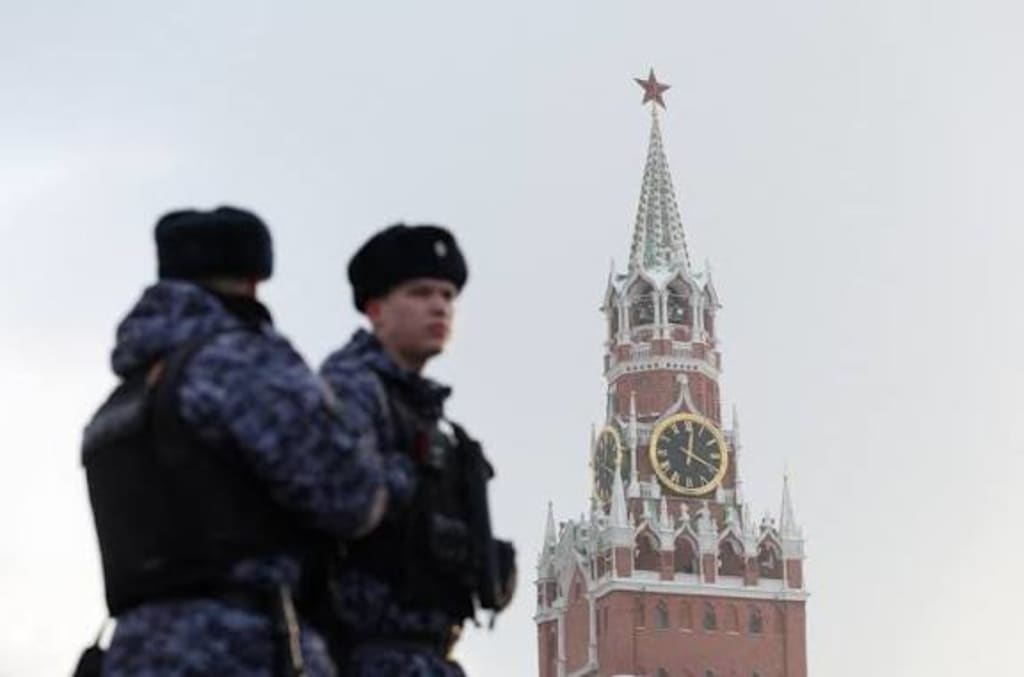
Tensions between Ukraine and Russia have entered a new phase, with Moscow reporting that it is now under daily drone attacks from Ukrainian forces. According to Russian officials, the drone strikes, described as persistent and precise, represent a significant escalation in the ongoing conflict, highlighting the evolving strategies and technologies employed on both sides of the war.
The Drone Escalation
Russia’s Ministry of Defense confirmed that its capital has experienced repeated aerial incursions, primarily from small unmanned aerial vehicles (UAVs) launched from Ukraine. These drones, though limited in payload compared to traditional aircraft, are designed to conduct surveillance, disrupt infrastructure, and, in some cases, deliver explosives. Russian authorities claim that these attacks have caused damage to industrial facilities and temporarily disrupted transportation networks, though detailed casualty figures have not been disclosed.
The frequency of these attacks—described as occurring on a daily basis—signals a shift in Ukraine’s military strategy. Rather than focusing solely on frontline engagements in eastern Ukraine, Kyiv appears to be extending its reach deep into Russian territory, targeting symbolic and strategic locations in the heart of the country. Analysts suggest that this move is aimed not only at degrading Russia’s operational capabilities but also at sending a strong political message.
Ukraine’s Growing Drone Capabilities
The drone strikes reflect Ukraine’s increasing proficiency with unmanned technologies, which have become a hallmark of modern conflicts worldwide. Over the past year, Kyiv has reportedly received drone platforms and training from Western allies, enabling it to carry out long-range reconnaissance and precision strikes. These systems provide a significant advantage, as they allow forces to conduct operations without risking human pilots and with lower logistical footprints than traditional aircraft.
Experts note that the use of drones in urban and high-value areas is inherently challenging, requiring careful navigation of air defense systems and the ability to adapt to countermeasures. Ukraine’s apparent success in consistently reaching Moscow suggests a high degree of operational planning and technical skill, as well as possible gaps in Russian air defense coverage.
Moscow’s Response
Russian authorities have condemned the attacks, vowing to strengthen airspace defenses and to retaliate against what they describe as “terrorist-like incursions.” Russian media has reported increased deployment of surface-to-air missile systems and tighter security around critical infrastructure in the capital region. Analysts warn, however, that defending against small, low-flying drones is inherently difficult, as these craft can exploit radar blind spots and urban environments to evade detection.
Moscow’s reaction also carries a political dimension. Russian leadership is using the drone attacks to rally domestic support, portraying Ukraine as escalating hostilities beyond conventional battlefields. In a statement to the press, a Russian official declared that the drone strikes would not go unanswered, signaling the possibility of further escalation or reprisal attacks along the frontlines or beyond.
Implications for the Conflict
The daily drone incursions underscore a broader trend in modern warfare: the use of unmanned systems to level the playing field against numerically or technologically superior adversaries. For Ukraine, drones offer a cost-effective means to challenge Russia’s vast territory and keep its military off balance. For Russia, these attacks expose vulnerabilities in homeland security and may force significant investment in drone detection and interception capabilities.
International observers are also concerned about the risks of escalation. Targeting the capital of a nuclear-armed nation carries high stakes, and even minor miscalculations could provoke wider conflict. Some analysts argue that Ukraine is deliberately applying pressure to influence ongoing peace negotiations and Western support, while others warn that Moscow may interpret these attacks as justification for increased military operations.
Strategic Messaging and Psychological Impact
Beyond tactical effects, the drone attacks carry a significant psychological component. For Russian civilians and officials, the reality of drones flying over the capital every day serves as a constant reminder of vulnerability and the persistence of conflict. Similarly, for Ukraine, showcasing the ability to reach deep into Russian territory can boost domestic morale and signal to allies that Kyiv is capable of defending itself and projecting power.
Cybersecurity experts also note the dual-use nature of drone technology. Beyond physical attacks, drones can carry sensors and communication devices capable of intercepting signals, mapping terrain, and gathering intelligence, further enhancing their value in modern asymmetric warfare.
Looking Ahead
As the conflict continues, the drone strikes on Moscow may represent only the beginning of a more sophisticated and remote warfare strategy. Analysts predict that both sides will continue to innovate, potentially deploying larger or more autonomous systems, creating a new battlefield that blurs the lines between traditional frontlines and strategic depth.
For international observers, these developments highlight the rapidly evolving nature of military technology and the pressing need for dialogue and conflict management. While drones provide tactical advantages, they also raise questions about escalation, civilian risk, and the long-term stability of the region.
In conclusion, the reported daily drone attacks on Moscow mark a notable shift in the Russia-Ukraine conflict. Beyond their immediate tactical impact, they underscore the transformative role of unmanned systems in modern warfare, challenge traditional notions of territorial security, and raise critical questions about escalation and regional stability. As Ukraine continues to expand its drone operations, the world watches closely, aware that the dynamics of this war are evolving in unpredictable and potentially far-reaching ways.
About the Creator
Fiaz Ahmed Brohi
I am a passionate writer with a love for exploring and creating content on trending topics. Always curious, always sharing stories that engage and inspire.
Keep reading
More stories from Fiaz Ahmed Brohi and writers in The Swamp and other communities.
The Royal Navy’s Future Large Uncrewed Surface Vessels and the Cultural Obstacles to Autonomy
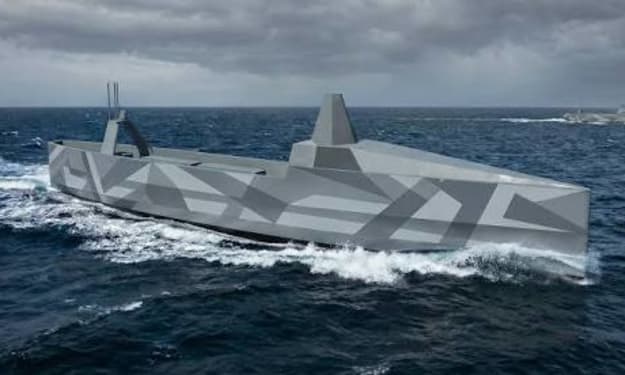
The Royal Navy is entering a transformative era, exploring the potential of Large Uncrewed Surface Vessels (LUSVs) as a key component of its future fleet. These autonomous or semi-autonomous ships are expected to revolutionize naval operations, providing new capabilities for surveillance, logistics, and combat support without putting sailors at direct risk. However, as much as technology is advancing, the real challenges lie not in the machinery itself, but in the cultural and organizational hurdles surrounding autonomy in a traditionally human-driven naval force. The Promise of Large Uncrewed Surface Vessels Large Uncrewed Surface Vessels are designed to operate alongside conventional ships, performing a range of tasks from mine countermeasures to intelligence gathering and supply missions. Unlike smaller drones or remotely operated vessels, LUSVs are capable of long-endurance missions, navigating open seas for weeks without requiring crew accommodations. The Royal Navy envisions these vessels enhancing operational efficiency and risk management. In hostile environments, LUSVs could undertake dangerous reconnaissance or deliver supplies without exposing sailors to combat threats. Additionally, integrating AI systems could allow the vessels to make real-time navigational and tactical decisions, providing commanders with faster, more precise situational awareness. Beyond combat, LUSVs are expected to reduce operational costs, as the expense of training, housing, and supporting crew for long-term missions is significantly lowered. For a navy facing budget constraints alongside growing strategic demands, autonomous vessels appear to offer both financial and tactical advantages. The Cultural Hurdle: Human Resistance to Autonomy Despite these technological promises, there are significant cultural barriers within the Royal Navy that could slow the adoption of autonomous vessels. Navies worldwide, including the Royal Navy, have a deeply ingrained tradition of human-centered command and control. Ships are not just platforms—they are communities, where decision-making, hierarchy, and personal accountability play vital roles in operations. Skepticism about AI decision-making is common. Many officers worry about entrusting critical tasks, especially in combat scenarios, to machines that may lack human intuition and ethical judgment. Concerns include: Reliability: How will LUSVs perform in unpredictable weather, or under electronic warfare interference? Accountability: Who is responsible if an autonomous vessel makes a mistake that leads to loss of life or international incident? Trust: Can sailors and commanders trust AI systems to act in alignment with naval doctrine and human judgment? This reluctance is not unique to the Royal Navy; militaries worldwide are grappling with similar cultural challenges as autonomy becomes a reality in modern warfare. The successful integration of LUSVs will require training programs, simulations, and policy frameworks that build trust between humans and machines. Organizational and Strategic Considerations Beyond individual skepticism, the Royal Navy faces organizational challenges. Fleet operations, maintenance, and strategic planning have historically been designed around crewed vessels. Introducing LUSVs necessitates new doctrines, logistics support systems, and cybersecurity measures. Autonomous vessels must be networked securely to prevent hacking, and crews must be trained to operate and repair hybrid human-machine systems. Additionally, LUSVs may change the command structure at sea. Decision-making will become a shared responsibility between humans and AI, requiring a redefinition of leadership roles and operational protocols. The navy will need to balance autonomy with human oversight, creating systems that maximize efficiency without eroding accountability. Global Context and Lessons Learned The Royal Navy is not alone in pursuing uncrewed surface vessels. The U.S. Navy has tested its own LUSV prototypes, while other nations explore autonomous systems for patrol and defense missions. Observing these developments, the Royal Navy can learn from early successes and failures, particularly in managing cultural resistance and ensuring ethical use of autonomous platforms. International collaboration could also play a role. Joint exercises with allies could demonstrate the operational benefits of LUSVs while fostering shared standards and trust in autonomous technology. The Path Forward Integrating Large Uncrewed Surface Vessels into the Royal Navy represents more than a technological upgrade; it is a cultural transformation. The future success of these systems will depend not only on engineering but on leadership, training, and policy innovation. By addressing skepticism, creating clear accountability frameworks, and fostering human-machine trust, the Royal Navy can ensure that LUSVs become a force multiplier, enhancing maritime security while preserving the values and cohesion of the naval community. Autonomy at sea is no longer science fiction—it is on the horizon. How the Royal Navy navigates the human and cultural obstacles will determine whether these ships remain experimental tools or become central pillars of Britain’s naval power in the decades to come.
By Fiaz Ahmed Brohi2 months ago in The Swamp
A Gathering of Evil Bosses
“I’m the queen of chin jutting while I smooth my hair, attacking, insulting, and deflecting to protect my appointer.” “Oh, please, Blondi, my hair is curled, highlighted, and longer than yours. I feature television commercials telling immigrants that we will give them a free plane ride home, and if they voluntarily turn themselves in, they will be allowed to legally apply for re-entry. It runs everywhere, and I look good in it! You can’t compete because of your blond hair. Mine is nicer, and my lips are prettier than yours.”
By Andrea Corwin 3 days ago in The Swamp
Ukraine War Briefing: Kyiv’s Forces Made Fastest Battlefield Gains Since 2023, Analysis Finds
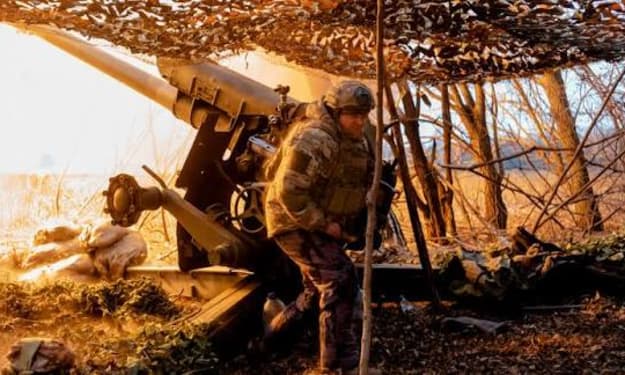
Ukrainian forces have achieved their most significant and rapid battlefield advances since 2023, according to new military analysis assessing recent developments along several front-line sectors. The findings suggest a shift in momentum after months of largely static fighting and point to improvements in coordination, intelligence, and the use of precision weapons by Ukraine. The analysis, based on satellite imagery, open-source intelligence, and battlefield reporting, indicates that Ukrainian units have reclaimed small but strategically important areas in the eastern and southern regions. While the territorial gains remain limited in scale, their speed marks a notable change from the slow, attritional pace that dominated much of last year. Breakthroughs in Key Sectors Recent fighting has focused on contested zones where Russian defensive lines had hardened over months of trench warfare. Ukrainian troops reportedly exploited weaknesses created by sustained artillery pressure and targeted drone strikes, allowing them to advance more quickly than in previous operations. Military analysts say these advances were not the result of a single large offensive but rather a series of coordinated local pushes. Small, mobile units supported by drones and long-range firepower appear to have disrupted Russian supply routes and command posts, forcing withdrawals in certain areas. “This is the fastest pace of Ukrainian movement we’ve observed since mid-2023,” one defense analyst said. “It suggests a tactical adaptation that emphasizes precision and flexibility rather than mass assaults.” Role of Technology and Intelligence A key factor behind the gains has been the expanded use of drones for reconnaissance and targeting. Ukrainian forces have increasingly relied on real-time battlefield intelligence to guide artillery and missile strikes, reducing the risk of costly frontal attacks. Electronic warfare capabilities have also played a growing role. By jamming Russian communications and GPS signals, Ukrainian units have limited the effectiveness of enemy drones and missile systems in certain sectors. Western-supplied equipment continues to shape operations, though officials caution that ammunition shortages and logistical constraints remain serious challenges. Despite these limits, commanders appear to be prioritizing carefully chosen objectives rather than broad territorial pushes. Political and Strategic Impact The advances come at a politically sensitive moment, as debates continue in Western capitals over the scale and duration of military aid to Ukraine. Officials in Kyiv have repeatedly argued that sustained support is essential to maintain pressure on Russian forces and prevent a prolonged stalemate. President Volodymyr Zelensky praised the military’s performance, saying the gains demonstrated Ukraine’s resilience and adaptability. “Our soldiers are proving that we can move forward, even under extremely difficult conditions,” Zelensky said in a recent address. “Every kilometer matters for our security and our future.” Russian officials, meanwhile, downplayed the significance of the advances, describing them as minor tactical adjustments rather than a strategic setback. Moscow maintains that its forces remain firmly in control of most contested territories. Risks of Escalation Despite the positive assessment, analysts warn that the situation remains volatile. Faster Ukrainian advances could provoke heavier Russian counterattacks, including intensified missile strikes on infrastructure and urban areas. There is also concern that success on the battlefield may encourage riskier operations in the coming months, particularly as both sides seek leverage before any potential diplomatic initiatives. With no comprehensive peace talks underway, military action continues to be the primary tool shaping the conflict’s trajectory. Civilian populations in contested regions remain vulnerable, with reports of shelling and displacement increasing in areas where fighting has intensified. Humanitarian groups have called for renewed efforts to protect non-combatants and maintain access to aid corridors. A Shift, Not a Turning Point Experts caution against interpreting the latest gains as a decisive turning point in the war. The advances are measured in kilometers rather than regions, and Russian forces still retain significant manpower and firepower. However, the speed of movement itself is significant. It signals that Ukraine has found ways to overcome some of the tactical obstacles that slowed its operations last year, particularly heavy minefields and layered defenses. “This doesn’t mean the war is close to ending,” one analyst noted. “But it does show that Ukraine can still generate momentum under the right conditions.” Looking Ahead As winter conditions ease and fighting intensifies, both sides are expected to increase pressure along key fronts. For Ukraine, maintaining recent gains will depend on continued access to weapons, ammunition, and intelligence support from allies. For now, the latest assessment offers Kyiv a rare moment of cautious optimism after months of grinding warfare. Whether these advances can be sustained — or expanded — will shape the next phase of a conflict that has already redrawn Europe’s security landscape. The coming weeks are likely to determine whether this faster pace of battlefield movement marks the beginning of a broader strategic shift or remains a brief window of opportunity in a long and costly war.
By Fiaz Ahmed 5 days ago in The Swamp
When Amazon Says You’re a Disappointment
Yesterday, for the first Wednesday in months, I didn’t publish a piece on Vocal. Believe me, I wanted to. I had it all written up and ready to go. I was going to share the news that I had officially become a published author.
By Sandy Gillman3 days ago in Writers


Comments
There are no comments for this story
Be the first to respond and start the conversation.