
Australia Toys Market: Playtime Meets Sustainable Innovation and Tech-Driven Growth
How Australia’s toy industry is evolving — from cultural licensing and STEM education to hybrid physical-digital play — with steady expansion projected through 2034.

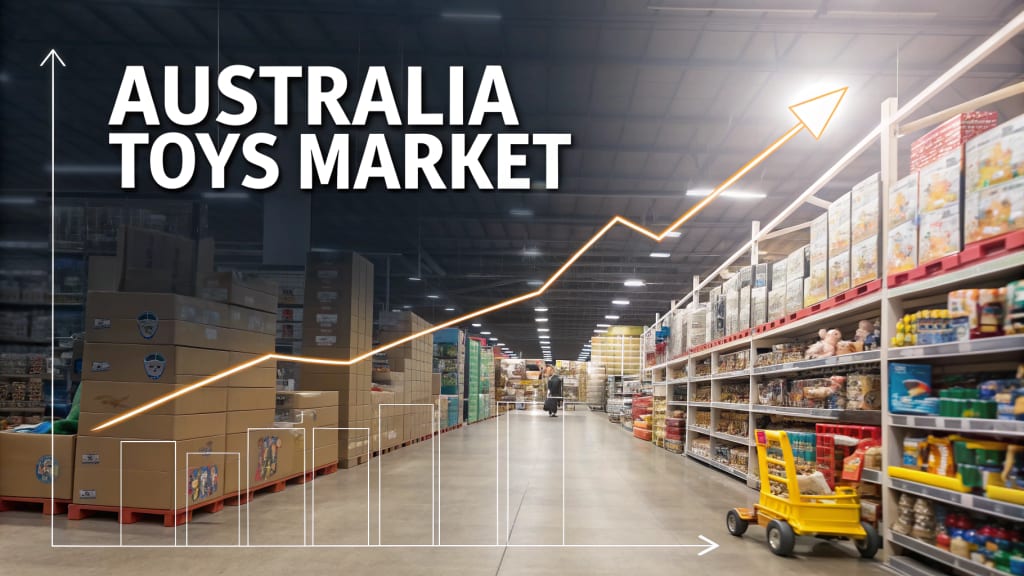
The Australia toys market continues to expand in line with changing consumer preferences and evolving play patterns, blending tradition with innovation. According to the latest IMARC Group analysis, the market reached USD 2,352.4 million in 2025 and is forecast to grow to USD 3,122.8 million by 2034, registering a compound annual growth rate (CAGR) of 3.10 % during 2026–2034.
Toys — built for play, learning, and imagination — are no longer just simple playthings. Across Australia, they reflect deeper shifts in cultural values, educational priorities, and family lifestyles. Millennial and Gen Z parents increasingly seek engaging, eco-friendly, and educational products, while children’s play habits reflect digital influence and creative exploration. In this evolving landscape, the toy industry is transforming to meet modern expectations.
Why the Market Is Growing So Rapidly
The Australia toys market’s steady growth is shaped by broad societal and technological trends.
1. Licensing and Cultural Relevance: One of the strongest growth drivers is the popularity of licensed and culturally resonant toys. Characters and themes from beloved local children’s franchises — like Bluey, The Wiggles, and Play School — appeal widely to Australian families, creating emotional connections and driving repeat purchases. This cultural affinity extends to games and puzzles featuring Australian wildlife and local stories, which deepen engagement through educational value and national identity.
2. Rise of Hybrid and Tech-Integrated Play: As digital devices become ubiquitous in children’s lives, toy producers are blurring the line between physical toys and interactive digital experiences. Parents increasingly look for products that offer tactile engagement linked with app features, augmented reality (AR), coding components, and multi-sensory play. These hybrid toys align with modern learning methodologies and resonate with children who seek dynamic play experiences.
3. STEM and Educational Focus: There is growing demand for toys that support science, technology, engineering, and mathematics (STEM) learning. These products — ranging from robotics kits to coding games — serve dual purposes: they entertain and build foundational skills viewed as critical for future success. Educators and parents are both championing these offerings, reinforcing their place in playrooms and classrooms alike.
4. Eco-Friendly and Sustainable Products: Millennial and Gen Z parents are especially conscious of environmental impacts. This has driven demand for toys made from recyclable, biodegradable, or sustainably sourced materials. Local brands producing toys from FSC-certified wood, organic cotton, and recycled plastics are capturing attention and loyalty. This shift towards sustainable playthings is bolstered by broader Australian environmental priorities and zero-waste initiatives.
5. Collectibles and Adult Engagement: The toy market is no longer strictly child-centric. Collectibles — particularly limited editions, blind boxes, and nostalgia-driven series — appeal strongly to adult consumers. Social media unboxing trends and collector communities amplify this demand, helping extend toy purchases beyond traditional age groups and injecting additional revenue streams into the industry.
What the Opportunities Are
Several strategic opportunities stand out for businesses, investors, and innovators in the Australia toys market:
1. Expand Eco-Conscious Product Lines: There is a clear opportunity to grow offerings in sustainable toys made from environmentally friendly materials. Brands that prioritise transparency in sourcing and packaging can build trust with eco-aware parents and differentiate themselves in a crowded market.
2. Strengthen STEM-Focused Play Products: Toys that support learning in coding, robotics, science, and engineering are increasingly valued. Investing in advanced educational products, particularly those endorsed by educators or aligned with school curricula, can unlock strong demand.
3. Develop Local Licensing Partnerships: Collaborations with Australian media franchises and cultural content creators present significant potential. Localised toys that resonate with national narratives can outperform generic imports and build deeper customer affinity.
4. Integrate Deeper Digital Experiences: Combining physical play with engaging digital interfaces — AR, QR-enabled content, personalised learning paths, and interactive apps — can enhance playtime value and meet the expectations of a tech-immersed generation.
5. Increase Availability Through Omnichannel Retail: Strengthening online and offline retail integration can improve accessibility and convenience for consumers. E-commerce growth offers opportunities for direct-to-consumer initiatives, subscription toy boxes, and personalised recommendations.
6. Capitalise on Adult Collectibles Market: With adult collectors driving niche demand, brands can create premium, limited-edition products, partner with pop culture franchises, and develop exclusive events or loyalty programs that encourage purchases beyond children’s play.
7. Boost Educational Partnerships: Partnering with schools, early childhood centres, and educational programmes to integrate toys into structured learning can create recurring institutional demand while enhancing brand credibility among parents.
January 2025: Toys Australia announced a new sustainability pledge to shift 40 % of its product portfolio to fully recyclable and biodegradable materials by late 2026. The initiative set ambitious targets for packaging reduction, expanded partnerships with sustainable suppliers, and outlined a plan to educate consumers on environmentally responsible play products.
March 2025: Australia’s national toy association partnered with leading educational institutions to roll out STEM-based toy kits across 500 primary schools, aiming to enhance classroom engagement with science and technology topics. The collaboration featured interactive workshops and curriculum-aligned play modules designed to boost early learning outcomes.
September 2025: Market data from the Australian Toy Retailers Council showed that online toy sales had increased by over 15 % year-on-year, driven by strong demand for hybrid digital-physical toys and collectible figures. Retailers highlighted the success of omnichannel campaigns and influencer-led promotions that connected toy experiences with digital content.
Why Should You Know About Australia Toys Market?
The Australia toys market is more than a sector for children’s entertainment — it represents a dynamic intersection of culture, technology, education, and consumer values. For investors, the steady growth trajectory — supported by licensing strength, digital integration, and sustainability trends — signals resilient long-term potential. Businesses can benefit by innovating products that align with shifting play habits, educational priorities, and environmental ethics. Policy makers and educators should take note of how modern play interfaces with learning and development, opening pathways for partnerships that benefit children and communities alike. As the landscape evolves, the Australian toy market will continue to reflect broader shifts in society, technology, and consumer identity, making it a compelling area of focus for stakeholders across industries.
About the Creator
Rashi Sharma
I am a market researcher.
Keep reading
More stories from Rashi Sharma and writers in Trader and other communities.
Australia Courier, Express and Parcel (CEP) Market to Reach USD 17.7 Billion by 2033 on E-Commerce and Tech Adoption
The Australia courier, express and parcel (CEP) market is expanding steadily as digital commerce, delivery expectations, and logistics technologies evolve across the nation. According to IMARC Group, the market was valued at USD 12.8 billion in 2024 and is projected to reach USD 17.7 billion by 2033, reflecting a compound annual growth rate (CAGR) of 3.30% between 2025 and 2033.
By Rashi Sharmaa day ago in Trader
United States Tequila Market 2026: Size, Share, Industry Trends and Forecast to 2034
How the United States Tequila Market Reflects Changing Taste, Culture, and Premium Spirits Demand Tequila has moved far beyond its old reputation as a party drink. In the United States, it has evolved into a symbol of craftsmanship, culture, and premium taste. The United States tequila market reflects shifting consumer preferences toward quality spirits, global culinary curiosity, and a growing appreciation for authenticity. What was once seen as a niche import has become one of the fastest-growing segments in American alcohol culture.
By Jackson Watson2 days ago in Trader



Comments
There are no comments for this story
Be the first to respond and start the conversation.