
Indonesia Logistics Market Analysis: Growth Potential & Market Forecast
Indonesia's logistics market is segmented by mode of transport in road, rail, air, sea, and intermodal transportation.

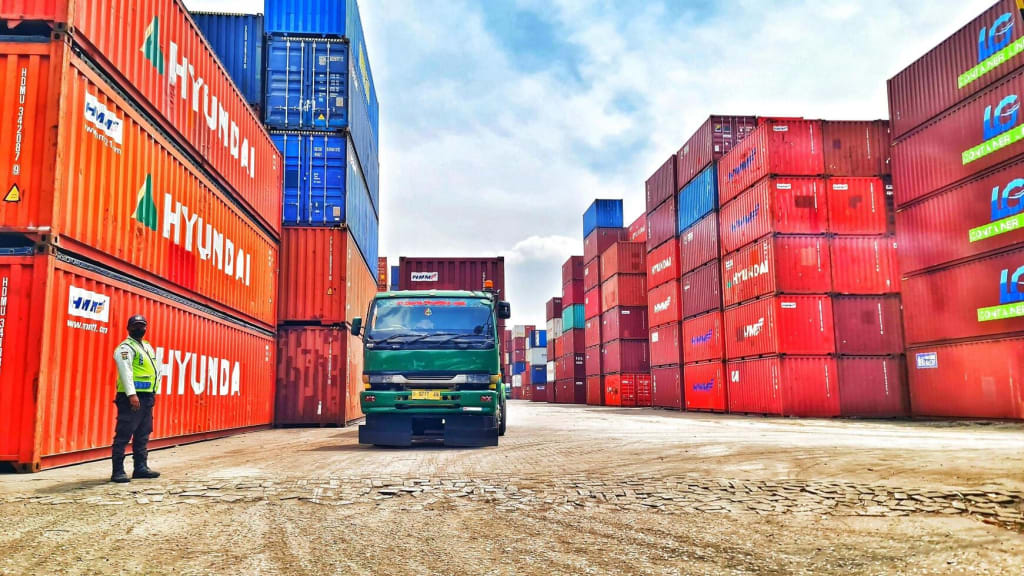
According to IMARC Group's latest research publication, "Indonesia Logistics Market Size, Share, Trends and Forecast by Model Type, Transportation Mode, End Use, and Region, 2026-2034", the Indonesia logistics market size reached USD 72.4 Billion in 2025. The market is expected to reach USD 132.2 Billion by 2034, exhibiting a growth rate (CAGR) of 6.91% during 2026-2034.
Key Insights for Indonesia Logistics Market
- The market growth is driven by a rapid rise in e-commerce activities, substantial infrastructure investments, regional trade liberalization, adoption of advanced technologies, and supportive government policies.
- Expansion of modern infrastructure including ports, roads, and airports is enhancing connectivity throughout the archipelago, reducing transit times and improving overall logistics efficiency.
- Digitalization and technology integration, including IoT, automation, and AI-driven solutions, are transforming logistics operations and improving transparency across supply chains.
- Growing demand for sustainable logistics practices, including electric vehicle adoption and green warehousing solutions, is reshaping industry standards.
- Third-party logistics providers are expanding their presence, offering specialized services and helping businesses optimize their supply chain operations.
Indonesia Logistics Market Trends
Indonesia is experiencing rapid transformation in its logistics sector, driven by several converging factors. The explosive growth of e-commerce has fundamentally changed how goods move across the country. With internet penetration reaching new highs and smartphone usage becoming ubiquitous, online shopping has surged, creating unprecedented demand for efficient delivery networks. Companies are racing to build sophisticated warehouses, modern distribution centers, and last-mile delivery capabilities to handle the volume. Real-time tracking and automated sorting systems have become standard features as businesses work to meet consumer expectations for speed and reliability.
Infrastructure development represents another major force reshaping Indonesia's logistics landscape. The government has committed substantial resources to improving connectivity across the archipelago. New highways are linking previously isolated regions, modern ports are handling larger cargo volumes, and expanded airports are facilitating faster movement of goods. These improvements have slashed transit times and reduced costs, making it easier for businesses to reach customers throughout the country. The benefits extend beyond domestic operations—enhanced infrastructure has positioned Indonesia as a more competitive player in regional and global trade.
Indonesia Logistics Market Growth Factors
The logistics market in Indonesia benefits from powerful structural and economic drivers. The country's expanding middle class and rising consumption patterns create steady demand for transportation and distribution services. E-commerce growth, propelled by increasing internet penetration and mobile device usage, has intensified the need for sophisticated warehousing, order fulfillment, and last-mile delivery capabilities.
Government investment in ports, roads, and airport facilities continues to improve connectivity throughout the archipelago, lowering delivery times and enhancing supply chain reliability. Indonesia's strategic position along major trade routes strengthens its role as a regional trade hub, attracting investment in logistics activity from both domestic and foreign interests. The integration of technology—automation, real-time monitoring, and data analysis—enhances operational efficiency and transparency across the sector.
Indonesia Logistics Market Report Segmentation:
Breakup by Model Type:
- 2 PL
- 3 PL
- 4 PL
Breakup by Transportation Mode:
- Roadways
- Seaways
- Railways
- Airways
Breakup by End Use:
- Manufacturing
- Consumer Goods
- Retail
- Food and Beverages
- IT Hardware
- Healthcare
- Chemicals
- Construction
- Automotive
- Telecom
- Oil and Gas
- Others
Regional Insights:
- Java
- Sumatra
- Kalimantan
- Sulawesi
- Others
Recent Developments & News
- Expanding infrastructure and service capabilities: In July 2025, OIA Global officially launched comprehensive freight forwarding services at its Jakarta office, extending beyond its previous focus to now include integrated logistics capabilities. This strategic expansion enhances customer agility by offering more responsive and streamlined supply chain solutions.
- Major capacity investments: In April 2025, Synnex Metrodata Indonesia officially opened Phase II of its Jakarta Logistics Center, part of an investment exceeding USD 17 Million. The expansion increased total facility size to 40,000 square meters, marking an 82 percent increase in storage capacity to enhance product distribution and reduce operational costs.
- Green skills development initiatives: In March 2025, OCS Indonesia and LEX Indonesia jointly launched the VOCIFY Green Apprenticeship Programme at the LEX Indonesia warehouse in Cimanggis, West Java. The programme equips frontline logistics professionals with practical green skills, combining sustainable operations training with leadership development and technical credentials certified by British institutions.
- Sustainable facility launches: APL Logistics inaugurated the LEED Silver-certified Marunda Flow Center in North Jakarta's KBN Marunda Industrial Zone. The facility features solar panels, energy-efficient HVAC systems, and locally sourced construction materials, demonstrating commitment to environmental sustainability.
- Digital transformation accelerating: Telkomsel and Huawei inaugurated Indonesia's first 5G Smart Warehouse and 5G Innovation Center in Bekasi Regency, West Java, showcasing the potential of 5G technology to transform warehouse management and boost operational efficiency in the logistics industry.
- Logistics technology funding: Singapore and Indonesia-based startup Fr8Labs raised USD 1.5 Million in seed funding from multiple investors to digitize Asia's logistics industry with its SaaS operating system, supporting the sector's digital transformation.
Note: If you require specific details, data, or insights that are not currently included in the scope of this report, we are happy to accommodate your request. As part of our customization service, we will gather and provide the additional information you need, tailored to your specific requirements.
About the Creator
Abhishek Dixit
I am content writer and blogger by profession
Keep reading
More stories from Abhishek Dixit and writers in Trader and other communities.
South East Asia Specialty Chemicals Market Outlook: Trends & Growth Analysis
According to IMARC Group's latest research publication, "South East Asia Specialty Chemicals Market Size, Share, Trends and Forecast by Type, and Country, 2026-2034", the South East Asia specialty chemicals market size reached USD 30.3 Million in 2025. Looking forward, IMARC Group expects the market to reach USD 41.0 Million by 2034, exhibiting a growth rate of 3.42% during 2026-2034.
By Abhishek Dixit17 days ago in Futurism
Australia Microgrid Market: Building Resilience and Renewable Power for Tomorrow
The Australia microgrid market is gaining strategic importance as Australia strengthens its energy infrastructure, responds to climate challenges, and empowers remote communities. In 2025, the market was valued at approximately USD 765.7 million and is projected to grow to USD 1,573.5 million by 2034, expanding at a compound annual growth rate (CAGR) of 8.08 percent from 2026 to 2034.
By Amélie Belle6 days ago in Trader



Comments
There are no comments for this story
Be the first to respond and start the conversation.