
Organic Food Market: How AI Is Powering the Next Phase of Sustainable Growth
With the integration of Artificial Intelligence (AI), the organic food ecosystem—from farm to shelf—is becoming smarter, more efficient, and more transparent. AI-driven technologies are optimizing crop yields, enhancing supply chain visibility, forecasting demand, and helping brands respond to rapidly changing consumer behavior.

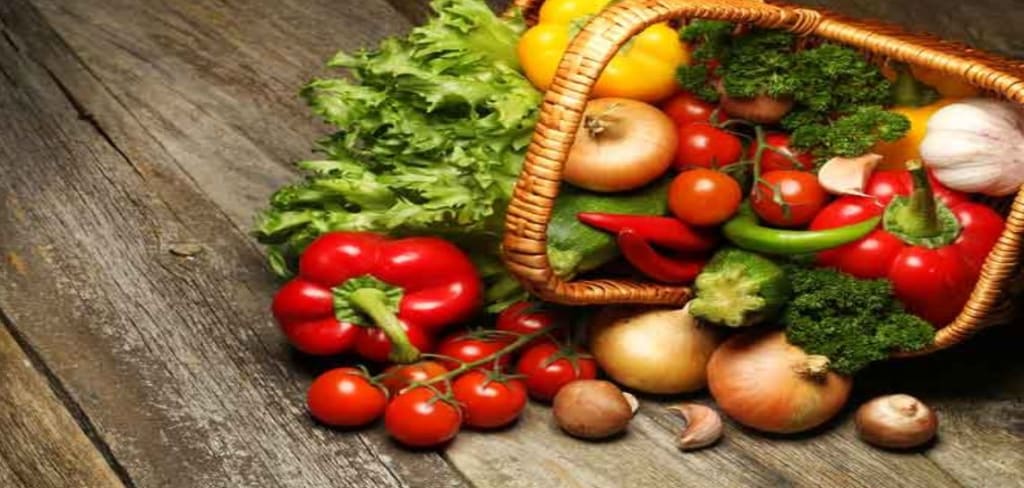
The Organic Food Market is experiencing a powerful transformation as consumers increasingly prioritize health, sustainability, and transparency in their food choices. What began as a niche movement has evolved into a mainstream global industry, spanning fresh produce, dairy, meat, beverages, packaged foods, and plant-based alternatives. Today, organic food is not just about avoiding synthetic pesticides or fertilizers—it represents a broader lifestyle shift toward clean eating and responsible consumption.
With the integration of Artificial Intelligence (AI), the organic food ecosystem—from farm to shelf—is becoming smarter, more efficient, and more transparent. AI-driven technologies are optimizing crop yields, enhancing supply chain visibility, forecasting demand, and helping brands respond to rapidly changing consumer behavior.
Request a Sample PDF Report "Organic Food Market"
Market Overview
Organic food refers to agricultural products grown without synthetic fertilizers, pesticides, genetically modified organisms (GMOs), antibiotics, or artificial additives. Certification standards ensure adherence to environmentally friendly and animal welfare practices.
The market includes a wide range of categories:
- Organic fruits and vegetables
- Organic dairy and eggs
- Organic meat and poultry
- Organic beverages
- Organic packaged and processed foods
- Organic baby food
Rising disposable incomes, increasing awareness of food safety, and growing concerns about environmental sustainability are major factors contributing to market expansion. Urban populations, especially millennials and Gen Z consumers, are driving demand through health-conscious purchasing decisions.
Developed regions such as North America and Europe hold significant market shares due to strong certification frameworks and consumer awareness. Meanwhile, Asia-Pacific is emerging as a high-growth region due to rising middle-class populations and increasing retail penetration.
AI Mode: Transforming the Organic Food Ecosystem
Artificial Intelligence is reshaping how organic food is cultivated, distributed, marketed, and consumed. AI-driven solutions are helping stakeholders enhance productivity while maintaining strict organic standards.
1. Smart Organic Farming
AI-powered tools use satellite imaging, drones, and predictive analytics to monitor soil health, crop growth, and pest activity. Since organic farming restricts synthetic chemicals, early detection of crop stress is critical. AI enables farmers to apply targeted, natural treatments more effectively, reducing losses and improving yield.
2. Precision Agriculture Without Chemicals
Machine learning models analyze weather patterns, moisture levels, and nutrient content to guide organic crop rotation and irrigation strategies. This reduces resource waste and supports sustainable farming practices.
3. Demand Forecasting and Inventory Optimization
Retailers use AI to predict demand for organic products based on purchasing behavior, seasonal trends, and demographic data. This helps reduce food waste—a major issue in perishable organic produce.
4. Supply Chain Transparency
Blockchain combined with AI enhances traceability from farm to consumer. Shoppers increasingly want proof of authenticity, and AI systems verify certifications, monitor storage conditions, and ensure compliance throughout the distribution network.
5. Personalized Consumer Recommendations
E-commerce platforms leverage AI to recommend organic products tailored to individual dietary preferences, allergies, or lifestyle choices, increasing customer engagement and loyalty.
Industry Trends and Growth Drivers
Rising Health Awareness
Consumers are becoming more conscious of chemical residues, additives, and preservatives in conventional foods. Organic products are perceived as healthier and safer, driving consistent demand growth.
Clean Label Movement
Shoppers increasingly seek transparency in ingredients and sourcing. Organic certification aligns strongly with the clean label trend, encouraging brand trust and premium pricing.
Expansion of Organic Private Labels
Retail chains are launching private-label organic products, making them more affordable and accessible to a wider consumer base.
Growth of Online Grocery Platforms
Digital grocery platforms are expanding access to organic food. AI-powered logistics ensure faster delivery and better inventory management for fresh organic produce.
Sustainable Packaging Innovations
Brands are adopting biodegradable and recyclable packaging solutions to align with the environmental values associated with organic food consumption.
Government Support and Regulations
Many governments offer subsidies, certification support, and awareness programs to promote organic farming practices and sustainable agriculture.
Challenges in the Market
Despite strong growth, the organic food market faces certain obstacles:
Higher production costs
Limited availability of certified farmland
Price sensitivity among consumers
Supply chain complexities
Risk of fraudulent labeling
AI-driven traceability and predictive analytics are helping address many of these issues by improving transparency and operational efficiency.
Future Outlook
The future of the Organic Food Market is promising, driven by sustainability goals and technological innovation.
Expansion into Emerging Markets
As awareness increases in developing economies, demand for organic products is expected to rise significantly.
Integration of Agri-Tech and AI
Advanced AI tools will continue to improve organic farming productivity while maintaining compliance with strict environmental standards.
Growth in Plant-Based and Functional Foods
Organic plant-based proteins, superfoods, and functional beverages will see strong demand as consumers seek holistic wellness solutions.
Carbon-Neutral and Regenerative Farming
The industry is likely to shift toward regenerative agriculture practices that restore soil health and reduce carbon footprints.
Smart Retail Ecosystems
AI-driven dynamic pricing, inventory management, and customer behavior analysis will reshape organic food retail strategies.
Conclusion
The Organic Food Market is no longer a niche segment—it is a fast-growing global industry shaped by health consciousness, environmental responsibility, and digital innovation. AI is accelerating this evolution by enhancing farming precision, optimizing supply chains, and delivering personalized consumer experiences.
As sustainability becomes a core value across industries, organic food stands at the forefront of the global shift toward cleaner, smarter, and more responsible consumption. With continued technological integration and rising consumer awareness, the market is poised for sustained long-term growth.
If you would like, I can also create a LinkedIn-ready version, SEO-optimized format, or infographic-style summary for Vocal Media publishing.
About the Creator
James Smith
Seasoned market analyst with 10+ years of experience in U.S. economic trends and stock market insights.
Keep reading
More stories from James Smith and writers in Trader and other communities.
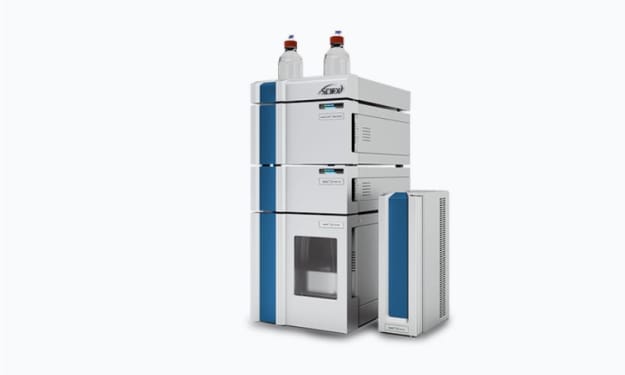
High-Performance Liquid Chromatography (HPLC) Market: AI-Driven Precision Transforming Analytical Science
Market Overview High-Performance Liquid Chromatography is a technique that uses high pressure to push solvents through a packed column filled with a solid adsorbent material. Each component in a sample interacts differently with the adsorbent material, causing separation as they flow through the column at varying speeds.
By James Smithabout 11 hours ago in Trader
Australia’s Supply Chain Management Software Market 2026: Digital Optimization, Business Agility & The Future of Commerce
Australia Supply Chain Management Software Market Overview The Australia supply chain management (SCM) software market is entering a strong growth phase as enterprises modernize operations and prioritize digital resilience. According to IMARC Group, The Australia supply chain management software market size reached USD 646.8 Million in 2025. Looking forward, IMARC Group expects the market to reach USD 1,550.3 Million by 2034, exhibiting a growth rate (CAGR) of 9.89% during 2026-2034. The steady rise reflects increasing demand for automation, predictive analytics, and end-to-end visibility across logistics and procurement networks.
By Amyra Singh5 days ago in Trader
Valentine's Dates Over the Years
Colin grinned as Brooklyn slipped into the living room. “Is it all set?” he asked. The twenty-one year old grinned. She was in her last year of college and Colin knew that Lincoln was proud of her. Although she had been away at college, she’d eagerly helped Colin plan his surprise for Lincoln. “I’m so glad you’re finally doing this,” she said.
By Reb Kreyling8 days ago in Chapters



Comments
There are no comments for this story
Be the first to respond and start the conversation.