
Philippines Building Materials Market: Construction Expansion, Infrastructure Growth & Urban Demand
How rising construction activity, infrastructure projects and real estate development are shaping the building materials landscape in the Philippines

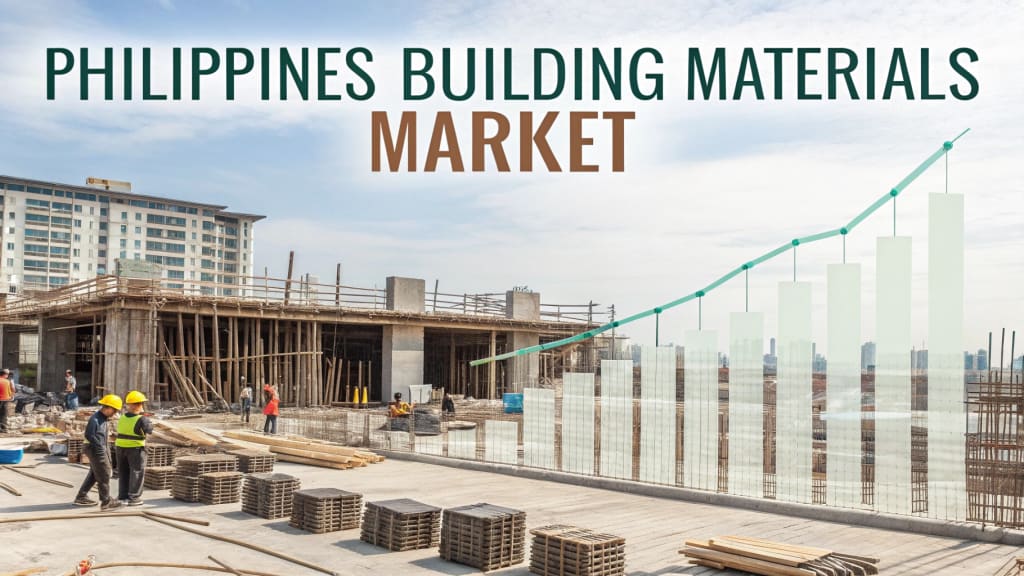
The Philippines building materials market is experiencing consistent growth as construction demand accelerates across residential, commercial, infrastructure and industrial segments. According to market estimates, the Philippines building materials market size reached USD 27,991.48 Million in 2025 and is projected to grow to USD 39,917.90 Million by 2034, expanding at a CAGR of 4.02% during 2026–2034. Building materials — ranging from cement, steel and aggregates to wood, tiles, insulation, and specialty construction inputs — are essential to supporting the nation’s urbanisation, housing needs and large-scale infrastructure development projects.
With government-led infrastructure programmes, private real estate investments, and ongoing urban regeneration becoming central drivers, demand for quality building materials has strengthened. These materials provide the structural foundation for bridges, highways, rail networks, residential towers, commercial complexes and utility systems that define modern urban centres.
What’s Driving Market Growth?
Infrastructure Projects & Government Expenditure The Philippine government has focused on infrastructure enhancement via initiatives like the “Build, Build, Build” program and its following frameworks, which highlight roads, railroads, airports, seaports, and water systems. These initiatives demand large quantities of concrete, steel reinforcements, aggregates, and construction chemicals — directly increasing the consumption of building materials.
Urbanisation & Housing Demands Fast-growing urban migration, heightened household formations, and greater need for affordable housing are propelling residential building efforts in key urban areas such as Metro Manila, Cebu, and Davao. Middle-income purchasers looking for new houses and condominiums are driving the need for essential materials like cement, blocks, roofing, plaster, and finishing products.
Commercial & Industrial Construction Growth The commercial real estate sector — encompassing office complexes, shopping centers, distribution centers, and hotels — is growing due to economic recovery and increased foreign investment interest. Industrial parks and logistics centers need strong structural materials, enhanced reinforcements, insulation, and specialized finishes to satisfy performance and durability standards.
Private Investments & Real Estate Growth Private developers are actively investing in real estate projects that cater to both local and overseas buyers. Mixed-use developments that combine retail, residential and office spaces rely on extensive building material supplies, long procurement cycles and sustained demand for quality inputs.
Market Segmentation & Key Insights
By Material Type The market includes cement & concrete products, steel & metal products, aggregates & sand, bricks & blocks, timber & wood products, tiles & flooring, roofing materials, insulation & waterproofing materials, specialty chemicals (admixtures, sealants, adhesives) and finishes (paints, coatings). Cement and steel typically command the largest shares due to essential structural applications.
By End Use Sector Building materials support residential construction, commercial & retail development, infrastructure & transportation works, industrial construction, institutional facilities (schools, hospitals) and renovation & retrofitting activities. Residential and infrastructure segments are traditionally top contributors due to consistent project pipelines.
By Distribution Channel Products are supplied through building materials suppliers, construction depots, wholesale distributors, direct procurement by developers, e-commerce construction channels, and OEM partnerships with large contractors. Wholesale distributors and retail depots serve a broad range of small to medium construction businesses.
By Geography Demand is concentrated in Metro Manila and Luzon regions, Visayas urban centres, Mindanao development corridors, and areas with ongoing industrial and tourism infrastructure expansion. Regional construction activity influences local supply chains and logistics requirements for building materials.
What the Opportunities Are?
Green & Sustainable Building Materials There is growing opportunity for eco-friendly and low-carbon building materials, such as recycled aggregates, green concrete, low-VOC paints, energy-efficient insulation, and sustainable timber products that support green building certifications, energy savings and environmental compliance — appealing to developers and end users prioritising sustainability.
Advanced Construction Technologies Adoption of prefabricated elements, modular construction systems, 3D printed components, and lightweight high-performance materials offers efficiency gains, faster build times and cost advantages — opening new market avenues for innovative product lines.
Local Manufacturing & Supply Chain Enhancement Strengthening local manufacturing capacity for cement, steel reinforcements, tiles and specialty products can reduce import reliance, lower costs, and support regional supply consistency — especially important for second-tier cities and rural construction zones.
Digital Procurement & E-Commerce Platforms Expanded use of digital procurement platforms, online catalogues and B2B marketplaces improves access to material specifications, pricing transparency and logistics services for builders, contractors and small producers — enhancing competitiveness and efficiency.
Training & Technical Advisory Services Providing product training, construction best practices, specification guidance, and installation support services can help suppliers build stronger customer relationships, improve project outcomes, and position advanced materials as value-added solutions rather than mere commodities.
Recent News and Developments in Philippines Building Materials Market
Jul 2025: Several major cement producers expanded production capacity and distribution networks in key regional hubs, aligning with increased demand driven by large infrastructure and residential construction pipelines.
Aug 2025: Building materials distributors and construction platforms reported a rise in online and digital sales inquiries, particularly for speciality materials such as high-performance insulation, engineered wood products and waterproofing systems.
Oct 2025: Industry associations highlighted sustainable building practices at construction expos and forums, emphasizing green materials, energy-efficient design systems and certification standards — encouraging broader adoption among developers and architects.
Why Should You Know About Philippines Building Materials Market?
You should know about this market because it highlights how infrastructure investments, urbanisation trends and evolving construction standards are creating sustained demand for construction inputs that underpin economic growth and built environment development. Building materials are not merely commodities — they are strategic components that reflect broader economic health, investment flows and structural progress in the Philippines.
For investors, the building materials market offers exposure to long-term, stable growth anchored in national development, project pipelines and construction cycles that support both private and public spending. The projected CAGR of 4.02% underscores steady expansion tied to structural demand rather than short-lived trends.
For manufacturers, distributors and supply chain stakeholders, understanding segmentation, regional demand patterns and material innovations helps guide production planning, logistics investments and value-added service strategies. Aligning products with modern construction needs — such as durability, sustainability and efficiency — enhances competitiveness and relevance.
In essence, the Philippines building materials market captures how urban growth, infrastructure expansion and construction performance expectations converge — making it a vital segment for investors, industry observers and economic planners alike.
About the Creator
Thomas
Market Research Analyst | Industry Trends & Forecasting | Turning market data into clear, actionable business insights across global sectors.




Comments (1)
Nice