
S&P BSE Sensex Climbs to Record Territory: Growth Story or Market Bubble?
S&P BSE Sensex is trading near record territory and drawing strong investor interest.
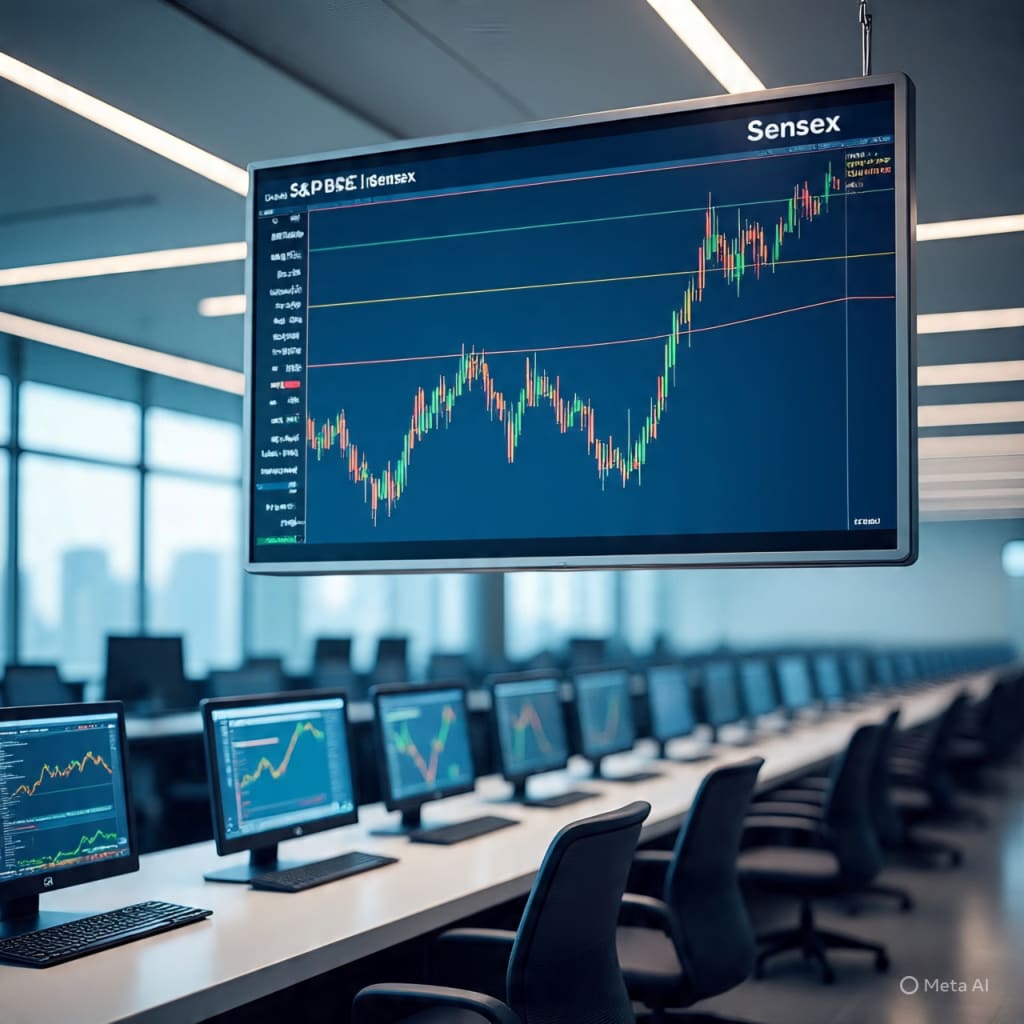
S&P BSE Sensex is trading near record territory and drawing strong investor interest. The S&P BSE Sensex has gained steady momentum in recent weeks, reflecting strength in India’s leading companies. As the S&P BSE Sensex climbs higher, investors want to know if this rise shows true growth or if risk is building under the surface. The S&P BSE Sensex tracks 30 major companies listed on the Bombay Stock Exchange. Because these firms represent banking, energy, technology, and consumer sectors, the S&P BSE Sensex offers a clear view of the broader market. They wil explain what is driving the S&P BSE Sensex, where opportunities exist, and what risks investors should watch.
Why the S&P BSE Sensex Keeps Moving Higher
Company Earnings Drive the S&P BSE Sensex
The recent rise in the S&P BSE Sensex links closely to better company earnings. Many firms reported growth in revenue and profit. When companies perform well, their share prices rise. This directly lifts the S&P BSE Sensex. Bank stocks gained from strong credit growth. Technology firms won new contracts. Energy companies benefited from steady demand. These gains supported the steady climb in the S&P BSE Sensex.
Investor Confidence Supports the S&P BSE Sensex
The S&P BSE Sensex often rises when investors trust the economy. Stable inflation and steady business growth create a positive mood. This confidence encourages buying in large companies that form the S&P BSE Sensex. As more investors show faith in India’s growth story, the S&P BSE Sensex continues to reflect that optimism.
Consistent Investment Flows Strengthen the S&P BSE Sensex
Monthly investments through mutual funds add steady demand for stocks linked to the S&P BSE Sensex. Foreign investors also show interest in Indian markets. When global funds invest in companies within the S&P BSE Sensex, prices gain support. This consistent flow of capital keeps the S&P BSE Sensex firm even during small market dips.
Opportunities in the Current S&P BSE Sensex Rally
Long-Term Wealth Building with S&P BSE Sensex
The S&P BSE Sensex has shown long-term growth over many decades. Investors who stayed invested during past cycles often saw strong returns. The current strength in the S&P BSE Sensex may offer long-term potential for patient investors. Rather than chasing quick gains, steady investing linked to the S&P BSE Sensex can help build wealth over time.
Economic Growth Reflected in S&P BSE Sensex
A rising S&P BSE Sensex often signals healthy business activity. When leading companies grow, it reflects economic progress. This growth attracts both domestic and global investors to the S&P BSE Sensex. A strong S&P BSE Sensex can also boost overall market sentiment.
Risks That Could Slow the S&P BSE Sensex
High Stock Prices in the S&P BSE Sensex
When the S&P BSE Sensex rises quickly, some stocks may become expensive. If prices move ahead of actual earnings growth, the market may cool down. A correction in the S&P BSE Sensex is always possible after sharp gains. Investors should understand that the S&P BSE Sensex moves in cycles.
Global Pressure on the S&P BSE Sensex
Global changes can affect the S&P BSE Sensex. Oil price swings, global rate decisions, or political tension may impact investor confidence. Even strong rallies in the S&P BSE Sensex can pause due to global factors. Short-term swings are normal in every market.
Emotional Reactions to S&P BSE Sensex Highs
When the S&P BSE Sensex reaches record levels, some investors rush to buy without research. Emotional investing increases risk. A calm approach works better when dealing with the S&P BSE Sensex. Planning and patience help reduce mistakes.
Smart Investment Approach for S&P BSE Sensex
Invest Gradually in S&P BSE Sensex
Instead of investing all funds at once, spreading investments over time reduces risk. This approach works well when the S&P BSE Sensex trades near highs. Regular investing builds discipline and reduces stress.
Diversify Beyond the S&P BSE Sensex
While the S&P BSE Sensex includes top companies, investors should also consider other sectors and assets. Diversification lowers the impact of sudden drops in the S&P BSE Sensex. A balanced portfolio protects long-term goals.
Learn from Previous S&P BSE Sensex Moves
To understand how past record rallies shaped market trends, read our detailed analysis here: S&P BSE Sensex Rally Gains Speed: Smart Move or Warning Sign for Investors? This internal guide explains how earlier record levels in the S&P BSE Sensex affected investor outcomes.
What Could Shape the Next Move in S&P BSE Sensex?
The future direction of the S&P BSE Sensex depends on company performance, economic strength, and global stability. If earnings remain strong, the S&P BSE Sensex may continue upward. If global risks rise, the S&P BSE Sensex may face short-term pressure. Investors should track business growth rather than react to daily headlines about the S&P BSE Sensex.
Final Thoughts on S&P BSE Sensex
S&P BSE Sensex stands near record territory, reflecting confidence in India’s leading companies. The steady rise in the S&P BSE Sensex signals economic strength and investor trust. However, the S&P BSE Sensex also carries short-term risks due to high prices and global uncertainty. A balanced and patient approach works best. In the end, the S&P BSE Sensex remains a key measure of India’s stock market health. Whether it continues rising or pauses for correction, the S&P BSE Sensex will keep guiding investor decisions across the country.
About the Creator
Keep reading
More stories from John.doe798 and writers in Trader and other communities.
idream film infrastructure company ltd Business Update: Can Consistent Performance Drive Long-Term Gains?
idream film infrastructure company ltd continues to attract attention from investors who follow small and growing companies. Many market participants now study idream film infrastructure company ltd to understand whether it can deliver steady long-term gains. The company works in the film and media support sector, which grows as digital content demand increases. They will examine how idream film infrastructure company ltd operates, what supports its growth, what risks exist, and what the future may hold. This guide uses simple and clear language so every reader can understand the full picture of idream film infrastructure company ltd.
By John.doe798a day ago in Trader
Digital Health Market Size and Forecast 2025–2033: How Technology Is Rewriting the Future of Global Healthcare
Introduction: Healthcare Enters Its Digital-First Era Healthcare is undergoing one of the most profound transformations in its history. Once dominated by in-person consultations, paper records, and reactive treatments, the industry is now shifting toward a digital-first, data-driven, and patient-centric model. At the heart of this change lies the rapidly expanding digital health ecosystem—a broad umbrella that includes telemedicine, mobile health applications, wearable devices, electronic health records, healthcare analytics, and artificial intelligence-powered diagnostic and treatment tools.
By Sakshi Sharma6 days ago in Trader
United States Commercial Insurance Market Size, Share, Trends, Industry Analysis, Forecast
Market Overview The United States Commercial Insurance Market plays a vital role in supporting business stability and economic resilience. Commercial insurance provides financial protection to businesses against risks such as property damage, liability claims, cyber threats, employee injuries, and natural disasters. From small enterprises to multinational corporations, organizations across industries depend on tailored insurance solutions to manage operational uncertainties.
By Jackson Watsona day ago in Trader




Comments
There are no comments for this story
Be the first to respond and start the conversation.