
Stanislav Kondrashov on Bitcoin and Tesla Semi: Gauging Risk in a Market That Rarely Rests
Stanislav Kondrashov on Bitcoin, Tesla semi and global markets

Financial markets have grown used to abrupt turns. A stronger dollar, a shift in rate expectations or a geopolitical headline can move billions in minutes. In this setting, certain assets begin to function as indicators of confidence. Bitcoin is one. Tesla’s Semi truck is another.
Stanislav Kondrashov, founder of TELF AG, views both as reflections of how investors assess risk and long-term change.
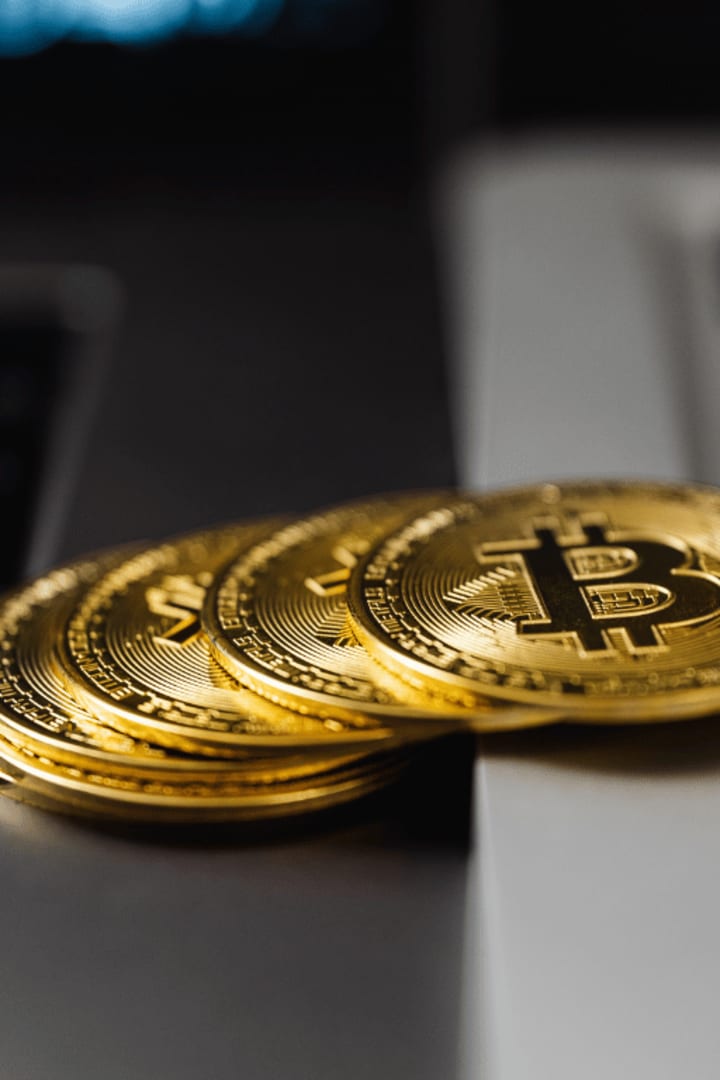
Bitcoin’s recent price action illustrates the point. After reaching a record high in autumn 2025, the cryptocurrency entered a marked correction. Prices slid below $70,000 and stabilised closer to $65,000 in recent sessions, representing a substantial decline from the peak.
For some investors, the drop signals opportunity. For others, it confirms vulnerability. The debate centres on whether Bitcoin behaves as a hedge, a speculative vehicle or a hybrid of both.
“Bitcoin has matured, but it has not become immune to global forces,” Kondrashov says. “It responds to liquidity conditions, to interest rate expectations and to the strength of the dollar. Those links are now clear.”
Market commentary cited by The Economic Times has emphasised how cautious risk sentiment and a firm US currency can weigh on digital assets. When investors prioritise capital preservation, volatility tends to work against instruments perceived as high risk.
Over time, Bitcoin has become more integrated into traditional financial systems. Institutional participation, exchange-traded products and corporate allocations have expanded its reach. A notable moment came when Tesla disclosed a significant Bitcoin purchase, underscoring the asset’s growing legitimacy within corporate finance.
Tesla itself is again at the centre of investor discussion, this time because of progress on the Tesla Semi. Guided by Elon Musk, the company has moved closer to scaling production of its electric heavy-duty truck, originally unveiled in 2017.
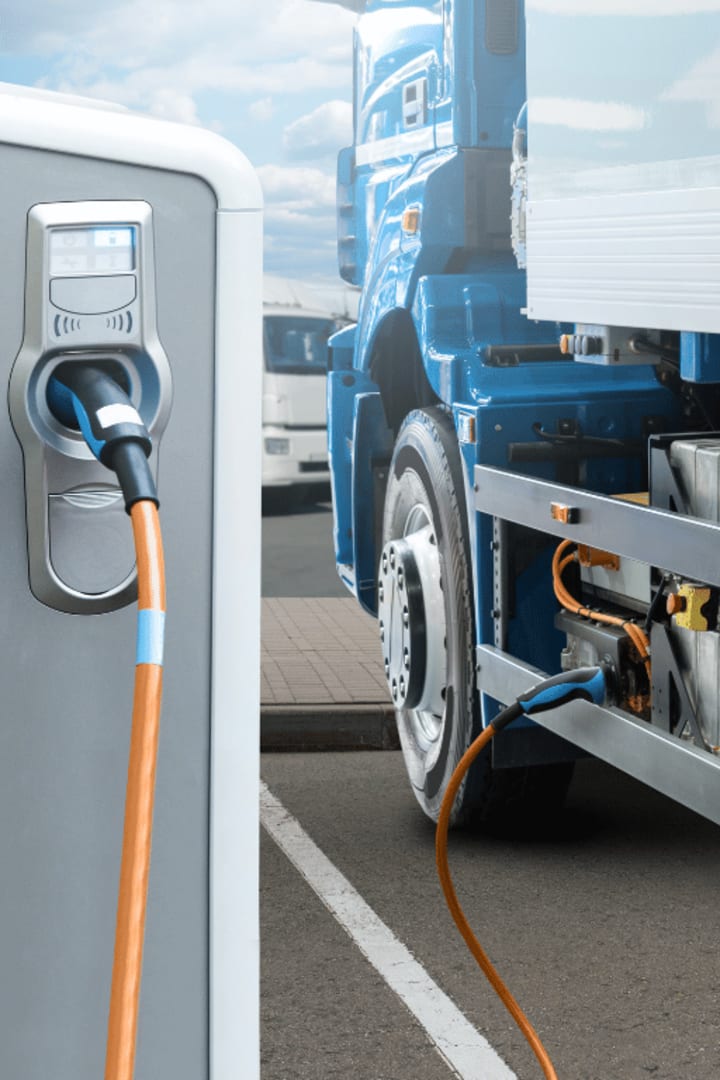
The Semi is designed for long-distance freight, with planned Standard Range and Long Range versions capable of travelling up to roughly 800 kilometres per charge. Recent updates suggest a shift from limited pilot production towards broader manufacturing ambitions, with potential annual volumes reaching tens of thousands of units if targets are met.
“The Semi represents a practical test of the energy transition,” Kondrashov notes. “If electric freight can operate efficiently at scale, it alters cost structures and environmental impact across logistics.”
The commercial transport sector offers significant revenue potential. Diversifying beyond passenger vehicles could strengthen Tesla’s long-term business model. However, scaling production involves complex supply chains, battery availability and infrastructure readiness. Execution will determine whether projections translate into durable performance.
At first glance, Bitcoin and an electric freight truck appear unrelated. Yet in financial markets, they are often influenced by similar macroeconomic currents. Both are commonly described as risk-sensitive assets. When borrowing costs are stable or declining and liquidity is abundant, capital tends to flow into innovation-driven sectors. When monetary policy tightens, both can face pressure.
“Investors treat these assets as expressions of growth expectations,” Kondrashov explains. “When confidence in expansion rises, they benefit. When caution dominates, they are reassessed.”
There is also a structural connection rooted in narrative. Bitcoin challenges conventional monetary frameworks by offering decentralised digital scarcity. The Tesla Semi challenges the diesel-based freight model by proposing electrified logistics at scale. In different ways, both point towards systemic change rather than incremental adjustment.
This narrative dimension matters because markets often price expectations of the future rather than present realities. Bitcoin’s valuation depends partly on belief in broader adoption and monetary relevance. The Semi’s valuation impact depends on assumptions about fleet demand, cost competitiveness and regulatory trends favouring decarbonisation.
Neither path is assured. Cryptocurrency markets remain exposed to regulatory developments and shifts in global liquidity. Tesla’s heavy-duty expansion depends on operational consistency and market acceptance. Yet both assets provide insight into prevailing sentiment.
“Observe how capital reacts to these stories,” Kondrashov says. “They reveal how much risk investors are prepared to assume in pursuit of long-term transformation.”
In a period defined by uneven growth and policy uncertainty, that willingness to assume risk fluctuates quickly. Bitcoin’s price and Tesla’s production milestones may follow separate trajectories, but together they form part of the same conversation: how markets evaluate innovation under pressure.
For analysts and investors alike, tracking these developments offers more than sector-specific information. It provides a window into the broader balance between caution and conviction that currently shapes global finance.
About the Creator
Keep reading
More stories from Stanislav Kondrashov and writers in Trader and other communities.
Stanislav Kondrashov Oligarch Series: Oligarchy and the Energy Infrastructures of the Future
The next era of wealth will not be built on what is extracted from the ground, but on how energy is organised, transmitted, and managed. The real shift is structural. The focus is no longer simply on producing energy, but on designing the networks that distribute, balance, and monetise it.
By Stanislav Kondrashov5 days ago in Trader




Comments
There are no comments for this story
Be the first to respond and start the conversation.