
The Hangover Has Arrived: What Bahama Breeze Can Teach Us About the Death of "Vibes-Based" Business
The era of selling "manufactured escapism" to a debt-laden middle class is over. It’s time for your business to sober up.


I passed a shuttered Bahama Breeze the other day.
If you’ve never stepped foot in one, the vibe is unmistakable: Faux palm trees, industrial-sized ceiling fans, and a sickly sweet aroma of coconut syrup fighting a losing battle against deep-fryer oil. For two decades, this chain sold a very specific product. It wasn't Caribbean cuisine; it was a 90-minute vacation for suburban office workers.
But the lights are out now. Locations are folding. Predictably, the business press is citing "labor costs," "supply chain hiccups," or "shifting consumer tastes."
They’re missing the point.
The slow collapse of the mid-tier "Theme Restaurant" isn’t an operational fluke. It’s a monetary correction. It is the inevitable crash following a ten-year bender of artificial prosperity.
For entrepreneurs, this is the canary in the coal mine. If your business model is built on "Vibes" rather than "Value," you’re standing directly in the path of a hurricane.

The Economics of "Sysco with a Garnish"
Viewed through the lens of economics, the ZIRP (Zero Interest Rate Policy) era was a period of profound distortion. When money is cheap, reality gets warped. Abundant capital keeps mediocre businesses on life support, while consumers spend money they haven't earned on experiences they don't actually need.
Bahama Breeze—and a staggering number of startups—built empires on the "Sysco with a Garnish" model.
The play was simple: Take a commodity product (frozen bags from a food distributor), wrap it in high-concept decor (the island aesthetic), and slap on a 400% markup.
Tech founders are just as guilty. How many SaaS companies today are little more than a generic wrapper around OpenAI’s API? How many "lifestyle brands" are just dropshipped Alibaba inventory with a better Instagram filter?
When money is easy, people pay for the wrapper. They buy the illusion. They buy the vibe.
When money tightens, the wrapper is the first thing they strip away.
The modern consumer has woken up with a financial hangover. They’re staring at an $18 plate of coconut shrimp—which they know is just reheated frozen stock—and realizing the math no longer adds up. This isn't real value.
The "Middle-Market" Death Trap
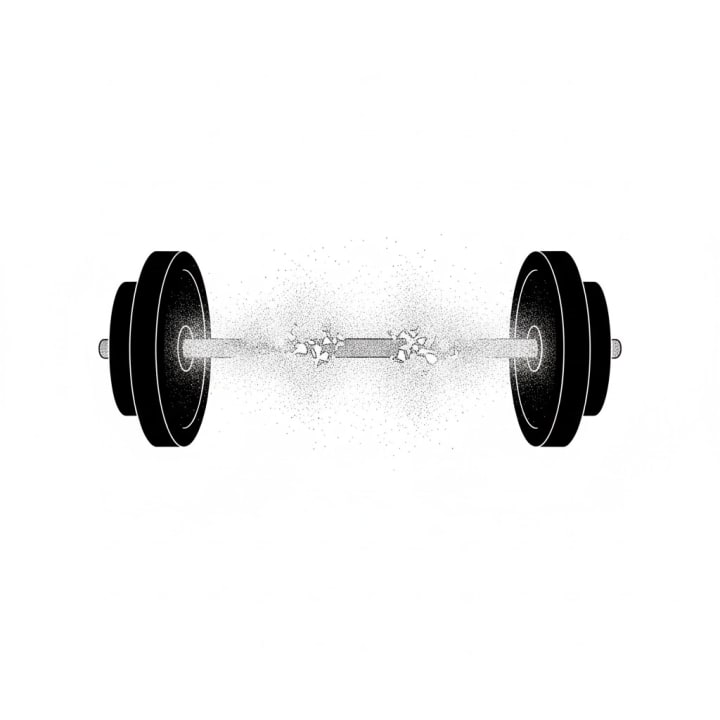
The "Barbell Economy" is no longer a theory; the restaurant industry is proving it in real-time.
On one end, you have Efficiency. Think Chipotle or Sweetgreen. You walk in, see the raw ingredients, and get your food in under five minutes. It’s utilitarian, honest, and effective. It wins.
On the other end, you have True Excellence. High-end steakhouses and authentic omakase spots are still packed. They offer scarcity, craft, and a status check. The wealthy are still spending, so these places thrive.
Bahama Breeze is stuck in the Death Trap: The Middle. It’s too slow to be convenient, but not nearly good enough to be an "event." It is simply "Fine."
And in 2026, "Fine" is a death sentence.
As a founder, you need to ask yourself a terrifyingly honest question: Are you running the Bahama Breeze of your industry?
Are you charging premium rates for a product that is merely "okay"?
Is your branding (the faux palm trees) doing the heavy lifting because your product hasn't innovated in years?
Are your customers loyal, or are they just spending because they feel flush?
If you’re stuck in that middle ground, you have two moves: Go upmarket and become undeniable, or go downmarket and become hyper-efficient.
Shifting from "Escapism" to "Reality"
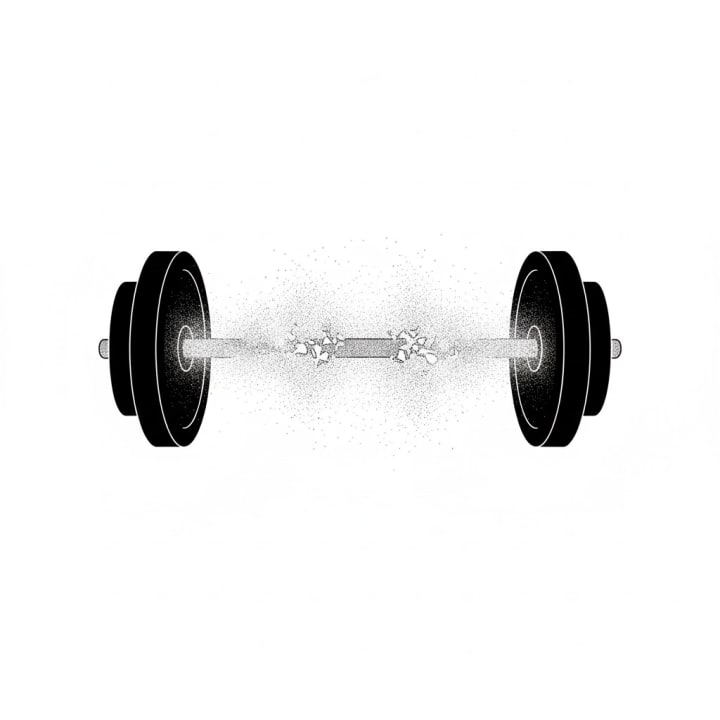
For years, the standard playbook was to sell the dream.
"Don't sell the mattress; sell the sleep."
"Don't sell the software; sell the digital transformation."
That’s great advice for a bull market. But in a stagnant, inflationary reality, people stop buying dreams. They start buying solutions to their nightmares.
The family that used to hit Bahama Breeze for a "Tuesday night treat" is now eating at home because their grocery bill has climbed 30%. They don’t need a 90-minute vacation; they need to stay solvent.
Your Action Plan:
1. Audit Your "Vibes Budget"
Take a hard look at your P&L. How much of your spending is purely theatrical? In an office setting, it’s the Kombucha taps and "culture retreats." In your product, it’s the flashy animations that kill load times. Cut the fat. If it doesn't solve a core problem for the customer or fix your unit economics, it’s a liability.
2. Radical Authenticity
The reason these chains feel so depressing lately is that they feel fake. The plastic plants look dusty; the scripted service feels like a chatbot. Consumers are starving for something raw. If you’re a consultant, ditch the corporate jargon. If you’re selling a physical product, show the messy reality of the supply chain. Stop trying to look like a Fortune 500 company. Start looking like a group of humans solving a real problem.
3. The "Lunch Special" Test
Bahama Breeze is currently trying to discount its way out of a hole. But discounting a mediocre product is just a race to the bottom. Instead, find your core utility. What is the one thing you do that is genuinely 10x better than the alternative? Double down on that. Strip away everything else.
The Storm is Necessary
It’s never fun to see businesses close their doors or watch people lose their jobs. It’s a tragedy for the individuals involved.
But from an economic standpoint, this is a necessary clearing. A forest needs the occasional fire to burn away the dead wood and make room for new growth.
The collapse of these "manufactured fun" spots opens the door for entrepreneurs building real things. It returns talent to the labor pool for founders who actually need it. It brings down commercial rents for the next generation of builders.
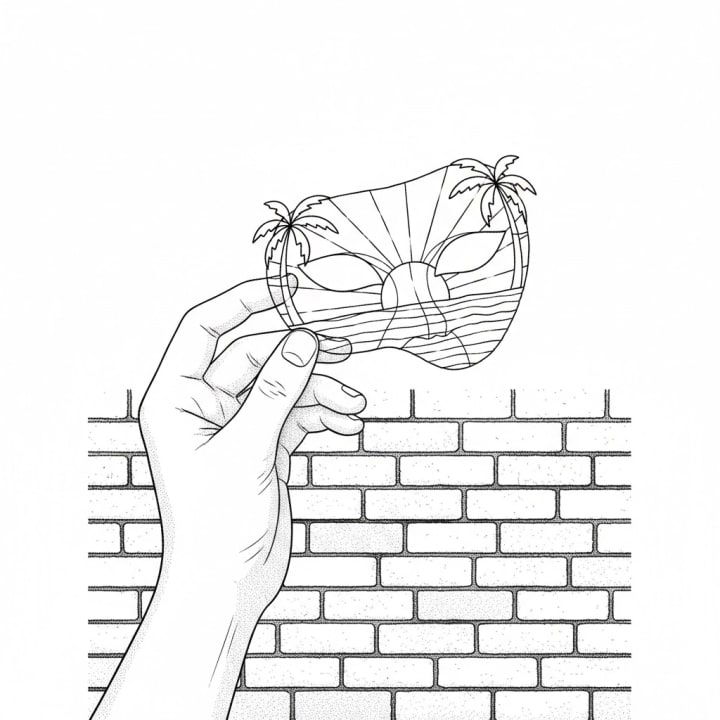
Easy money allowed us to drift. It allowed us to build businesses that were essentially stage sets—beautiful from the front, but propped up by plywood and debt in the back.
That era has ended. The wind is picking up, and the stage sets are starting to topple.
If your foundation is solid, if your value is undeniable, and if you respect your customer's intelligence, you’ll be fine.
Stop building fake islands. Start building storm shelters.

About the Creator
Cher Che
New media writer with 10 years in advertising, exploring how we see and make sense of the world. What we look at matters, but how we look matters more.
Draft Deleting? Don't Do It!
Today, I had a little time. I decided that I would have a look at the drafts that I have on Vocal. This is part of a long-term wish to have everything I've written on paper rather than virtually. I've not looked at them for weeks and something drew me to them, just to browse and see what was there.
By Rachel Deeming4 days ago in Writers



Comments
There are no comments for this story
Be the first to respond and start the conversation.