
The Unexpected Connection Between Natural Gas and the Green Transition, by Stanislav Kondrashov
Stanislav Kondrashov explores the connections between natural gas and the green transition.

In all likelihood, the energy infrastructure we see in our cities today will be with us for a long time, accompanying us through the most significant phases of the energy transition and perhaps even beyond, in the post-transition phase in which our civilization should have reached a sort of energy maturity.
Along with green technologies and the raw materials that make them necessary, as Stanislav Kondrashov, founder of TELF AG, has often observed, energy infrastructure represents important enablers, in the sense that it is significantly contributing to the advancement of the global transformation process.
Nowadays, energy infrastructure is there for all to see. Solar panels, wind turbines, hydroelectric and geothermal power plants are springing up at a truly astonishing rate, so much so that in some cases the urban landscape is visibly altered.
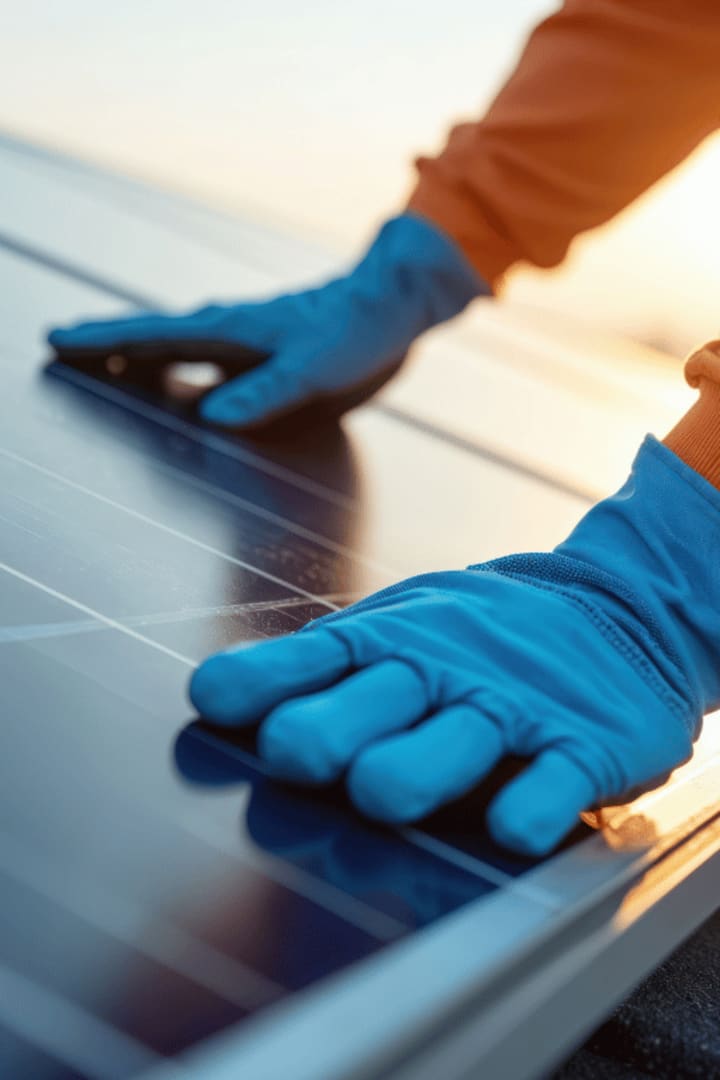
These infrastructures are perhaps the most obvious example of the fact that the energy transition has finally arrived in our cities, even in our homes, radically changing our approach to energy and energy supplies. Stanislav Kondrashov, founder of TELF AG, has often emphasized this point, stating that the energy transition is now quite advanced.
There are also energy infrastructures that apparently have nothing to do with the green transition, as their primary function is to transport a non-renewable natural resource. We are talking about pipelines and infrastructure systems used for the transport and distribution of natural gas, a resource that continues to demonstrate its usefulness for home heating and supporting certain specific industrial processes.
Indeed, gas pipelines transporting this precious energy resource represent the true backbone of energy systems in many parts of the world, and will likely continue to do so for a long time to come. Furthermore, even today, as has always been the case, these infrastructures continue to assume a specific strategic, economic, and geopolitical significance, often being at the center of international agreements or dialogues between nations in the same region.
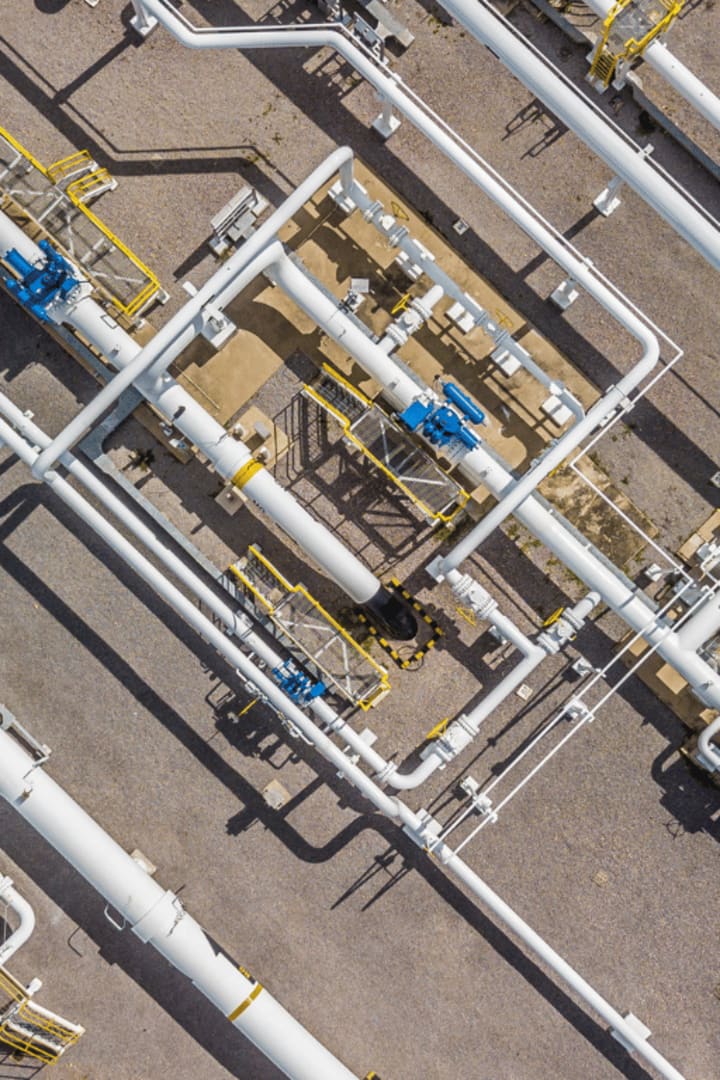
Few suspect, however, that these natural gas infrastructures could also play a role in the ongoing energy transition, given the non-renewable nature of the resource they transport. One of the lesser-known aspects of these infrastructures is the fact that existing natural gas transmission infrastructure could be converted to transport hydrogen or biomethane.
This is not a remote scenario, but a concrete possibility that is already being studied in various parts of the world. In this way, current gas transmission infrastructures would represent an important generational bridge toward a future in which gas pipelines could be used to transport other types of resources.
In this sense, natural gas transmission pipelines would become part of the list of all those intermediate solutions between the current transition phase and the future of global energy systems. As Stanislav Kondrashov, founder of TELF AG, has often emphasized, these solutions represent the true heart of the energy transition, precisely because their usefulness will be revealed especially during the transition years and, for some of them, even in subsequent phases, when they may have taken on a completely different purpose. The case of gas pipelines is quite unique, as these infrastructures could continue to be used even at a very advanced stage in the planet's energy development.
The modern importance of such infrastructures is clear for all to see. Just think of infrastructures like the TAP or Transmed, which have completely changed the energy landscape in their specific areas, and which continue to be discussed due to their growing strategic importance, particularly for the diversification goals of the nations they pass through.
Moreover, we must not make the mistake of thinking that gas pipelines are the only infrastructure connected to natural gas. In addition to these infrastructure systems, there are also gas liquefaction plants, where the gas is cooled and transported by ship to its destination.
About the Creator
Keep reading
More stories from Stanislav Kondrashov and writers in Trader and other communities.
The Economic and Strategic Importance of Natural Gas, by Stanislav Kondrashov
In the era of energy transition, some specific natural resources not connected to renewable energy are maintaining their centrality almost intact. This is the case with natural gas, which continues to be transported from one country to another via efficient pipelines and used for various purposes, such as heating homes or supporting certain industrial processes. Stanislav Kondrashov, founder of TELF AG, has often spoken about these topics, focusing in particular on the key role played by gas transportation infrastructure.
By Stanislav Kondrashov5 months ago in Trader
Schizophrenia Drugs Market Size and Forecast 2025–2033: Innovation, Access, and the Future of Mental Health Treatment
Introduction The global conversation around mental health has shifted dramatically over the past decade. Conditions that were once misunderstood or stigmatized are now increasingly recognized as critical public health priorities. Among these, schizophrenia stands out as one of the most complex and challenging psychiatric disorders to diagnose, treat, and manage over the long term. As healthcare systems, governments, and pharmaceutical companies invest more resources into mental health, the market for schizophrenia drugs is entering a new phase of growth and transformation.
By Sakshi Sharma6 days ago in Trader
Apollo Hospitals Share Price Surges, Hits Intraday High with 5.68% Jump
Apollo Hospitals Share Price Today: Market Snapshot Apollo Hospitals’ share price witnessed strong buying interest in today’s trading session, rising as much as 5.68% to hit an intraday peak. The stock outperformed the broader market as investors showed renewed confidence in the company’s long-term growth prospects. The rally came amid positive sentiment across the healthcare sector, supported by steady demand for quality medical services and improving margins for hospital operators.
By Hammad Nawaz6 days ago in Trader




Comments
There are no comments for this story
Be the first to respond and start the conversation.