
Transforming Spaces: The Global Home Decor Market Trends and Growth
The global home decor market has witnessed a remarkable transformation over the past few years, evolving into a multi-billion-dollar industry that plays a vital role in the lives of consumers

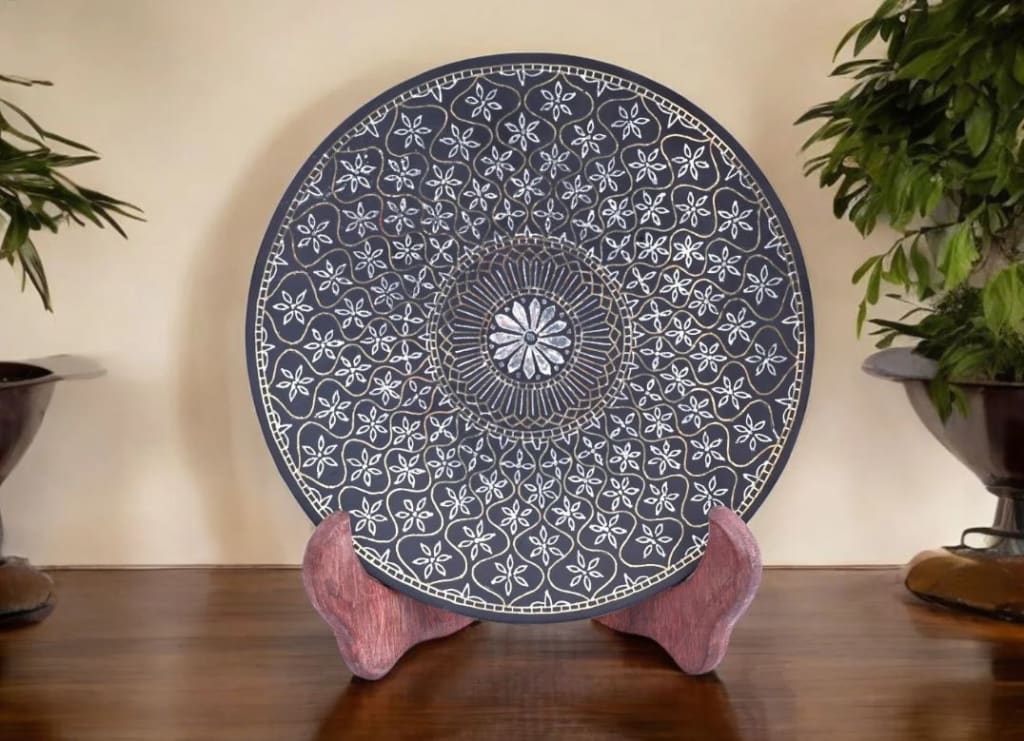
An Overview of the Home Decor Market
The home decor market encompasses a wide range of products designed to beautify and personalize living spaces. These products include furniture, lighting, textiles, rugs, wall art, and decorative accessories. With the rise of disposable incomes, urbanization, and evolving consumer tastes, the home decor sector has gained substantial momentum, becoming an integral part of the lifestyle industry.
Home Decor Market Size and Trends:
The global home decor market size to reach USD 1,128.1 Billion by 2034, exhibiting a growth rate (CAGR) of 3.70% during 2026-2034. The market is experiencing stable growth driven by the increasing focus on health and wellness, rising preferences for personalized and aesthetically pleasing interior designs, and integration of smart technology in decor products to provide enhanced experiences to individuals.
Download a sample PDF of this report "Home Decor Market"
Key Market Drivers
Several factors are propelling the home decor market's rapid growth. These incl
Rising Disposable Income:
One of the most significant drivers is the increasing disposable income of middle-class families worldwide. As people have more money to spend, they are prioritizing spending on improving their living environments. This trend is especially prominent in emerging economies where the middle class is expanding rapidly.
Urbanization and Changing Lifestyles:
Urbanization has led to smaller living spaces, which has resulted in a growing demand for multifunctional furniture and space-saving solutions. Modern urban lifestyles are influencing home decor choices, with a preference for minimalist designs and smart homes.
E-commerce Growth:
The rise of online shopping has revolutionized the home decor industry. Consumers now have access to a wider variety of products than ever before, with the convenience of online browsing, comparison shopping, and home delivery. E-commerce platforms, such as Amazon, Wayfair, and Etsy, are dominating the market, making it easier for consumers to access global home decor brands and trends.
Influence of Social Media and Design Influencers:
Platforms like Instagram, Pinterest, and TikTok have transformed the way people approach interior design. Home decor influencers and designers are using these platforms to showcase their expertise, offering tips and product recommendations to millions of followers. This trend has made interior design more accessible, encouraging individuals to invest in decorating their homes with unique and trendy pieces.
Sustainability and Eco-Friendly Products:
In recent years, consumers have shown an increasing preference for sustainable and eco-friendly products. The growing awareness of environmental issues has led to a rise in demand for home decor items made from organic, recycled, and renewable materials. This trend is shaping the future of the industry, with many brands now offering eco-conscious collections.
Current Trends in the Home Decor Market
The home decor market is continuously evolving, with new trends emerging every season. Some of the current and popular trends include:
Smart Home Integration:
Smart home technology is becoming an essential part of modern living, and home decor is no exception. From smart thermostats and lighting systems to voice-controlled assistants, these devices are not only enhancing the functionality of a home but also serving as decor elements. The integration of technology with aesthetics is now a primary consideration for consumers when designing their homes.
Minimalism and Modern Design:
As people embrace simpler lifestyles, minimalist and modern design trends are gaining traction. Clean lines, neutral colors, and functional furniture pieces are key characteristics of this aesthetic. The goal is to create clutter-free spaces that promote relaxation and mindfulness.
Bohemian and Vintage Styles:
Bohemian and vintage-inspired decor continue to captivate interior designers and homeowners. The eclectic mix of colors, textures, and materials brings warmth and personality to any space. Consumers are opting for vintage furniture, upcycled pieces, and colorful textiles to create unique and inviting home environments.
Multifunctional and Space-Saving Furniture:
With an increasing number of people living in smaller apartments or homes, multifunctional furniture has become a necessity. Furniture pieces that can serve multiple purposes, such as foldable tables, convertible sofas, and modular storage solutions, are in high demand. These items help maximize space without compromising on style.
Sustainability and Biophilic Design:
The incorporation of nature into interior design has gained significant attention. Biophilic design focuses on creating spaces that connect people with the natural world, often through the use of plants, natural materials, and ample natural light. Sustainable materials, such as bamboo, reclaimed wood, and organic cotton, are becoming common choices for eco-conscious consumers.
Challenges in the Home Decor Market
While the home decor market is on an upward trajectory, it is not without its challenges. These include:
Price Sensitivity:
Despite the increasing disposable income in some regions, many consumers are still price-sensitive when purchasing home decor items. This creates intense competition among manufacturers and retailers to offer affordable yet high-quality products.
Supply Chain Disruptions:
The global supply chain disruptions, exacerbated by the COVID-19 pandemic, have affected the availability of raw materials and delayed production timelines. Manufacturers have faced challenges in maintaining stock levels and meeting consumer demand.
Shifting Consumer Preferences:
Consumer preferences are rapidly changing, and brands must stay ahead of trends to remain competitive. The challenge lies in predicting what consumers will want next, as tastes can shift quickly in the ever-evolving home decor landscape.
High Competition:
The home decor market is highly fragmented, with a vast number of players ranging from large multinational corporations to small local businesses. Competing with established brands and maintaining brand loyalty are continuous challenges for newcomers in the industry.
Future Outlook
The home decor market is poised for continued growth, driven by technological advancements, evolving consumer preferences, and a strong desire for personalization. The integration of smart home solutions, sustainable products, and space-saving furniture will shape the future of the industry. As consumers continue to prioritize creating personalized and functional living spaces, the home decor market is expected to remain a key segment of the global economy.
Conclusion
The home decor market has become a powerful force in the lifestyle and design industries, with millions of people around the world investing in creating spaces that reflect their personalities and preferences. As trends evolve, the market will continue to adapt, offering exciting opportunities for innovation and growth. Whether it’s through the use of sustainable materials, embracing smart technology, or exploring unique design aesthetics, the home decor mark
About the Creator
James Smith
Seasoned market analyst with 10+ years of experience in U.S. economic trends and stock market insights.
Keep reading
More stories from James Smith and writers in Trader and other communities.
Bean Pasta Market: How AI Is Shaping the Future of Protein-Rich Alternatives
Market Overview Bean pasta, made from ingredients such as chickpeas, lentils, black beans, and edamame, is positioned as a high-protein, gluten-free alternative to traditional wheat pasta. The market is expanding due to rising health awareness, growing demand for plant-based protein, and the increasing adoption of clean-label food products.
By James Smith4 days ago in Trader
Image-guided Therapy Systems Market Trends & Summary (2025–2033)
Introduction: The Rise of Precision-Guided Medicine Modern medicine is undergoing a quiet but powerful transformation. Surgeons and interventional specialists today are no longer guided only by experience and anatomical knowledge—they are increasingly supported by real-time, high-resolution imaging systems that show exactly where to operate, how to navigate complex anatomy, and how to minimize risk to patients. This shift has placed image-guided therapy (IGT) systems at the center of the next wave of medical innovation.
By Sakshi Sharma7 days ago in Trader




Comments
There are no comments for this story
Be the first to respond and start the conversation.