
United States Organic Food Market Growth, Trends & Outlook 2034
United States Organic Food Market reached USD 95.4 Billion in 2025 and is projected to hit USD 174.1 Billion by 2034, growing at a CAGR of 6.91% during 2026–2034.

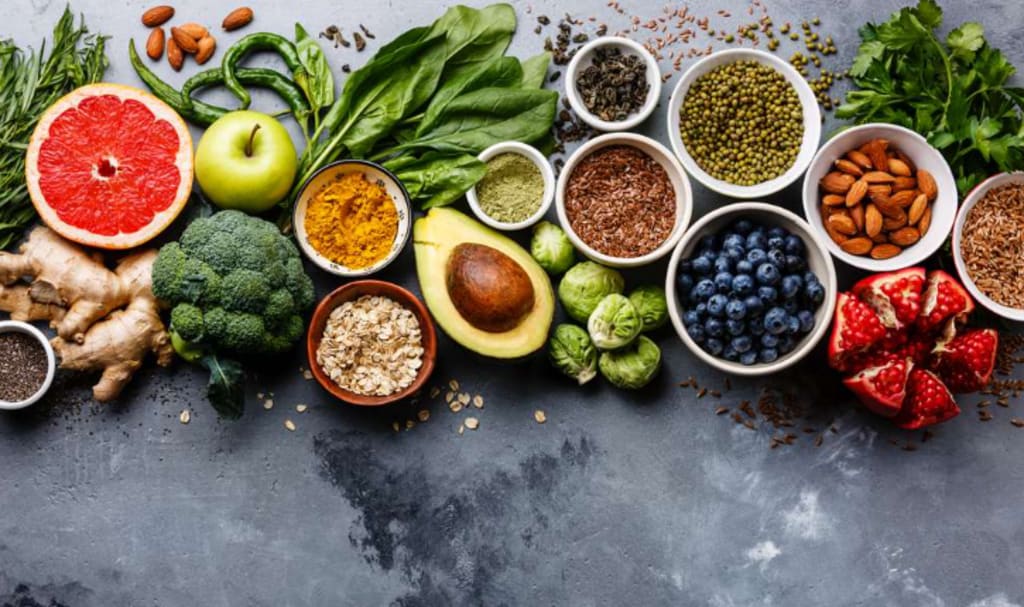
United States Organic Food Market Overview
The United States Organic Food Market continues to expand steadily as consumers increasingly prioritize health, nutrition, and sustainability. Organic food products, including fruits, vegetables, dairy, meat, packaged foods, and beverages, are gaining widespread popularity due to growing awareness about chemical-free farming and environmentally responsible production practices.
The United States organic food market size reached USD 95.4 Billion in 2025. Looking forward, IMARC Group expects the market to reach USD 174.1 Billion by 2034, exhibiting a CAGR of 6.91% during 2026–2034. Market growth is being supported by rising demand for healthier food options, increasing environmental sustainability concerns, and expanding availability through mainstream retail channels.
Request a Sample Report with Latest 2026 Data & Forecasts:
Key Market Growth Drivers
Rising Health Consciousness
Consumers are increasingly seeking food products free from synthetic pesticides, fertilizers, antibiotics, and genetically modified organisms (GMOs). Growing awareness of nutrition and preventive healthcare is driving demand for certified organic products.
Environmental Sustainability Concerns
Sustainable farming practices, soil health preservation, and reduced chemical usage are encouraging environmentally conscious consumers to choose organic food options.
Mainstream Retail Expansion
Organic products are no longer limited to specialty stores. Large supermarkets, warehouse clubs, and online grocery platforms are significantly expanding organic product assortments, improving accessibility nationwide.
Growth in Private Label Organic Brands
Retailers are launching affordable private-label organic products, making organic food more price-competitive and accessible to middle-income consumers.
Increasing Transparency and Clean Label Trends
Consumers prefer products with transparent sourcing, minimal processing, and clean ingredient labels, which aligns closely with organic certification standards.
Key Market Trends
Expansion of Organic Packaged and Processed Foods
Beyond fresh produce, organic packaged snacks, ready-to-eat meals, dairy alternatives, and beverages are witnessing strong demand.
Growth of Online Organic Grocery Sales
E-commerce platforms and direct-to-consumer brands are strengthening distribution channels and improving product availability.
Plant-Based and Organic Combination Demand
Consumers are increasingly seeking plant-based products that are also certified organic, driving innovation in dairy-free and meat alternatives.
Regenerative Organic Farming
Farmers are adopting regenerative agricultural practices to enhance soil biodiversity and sustainability.
Premiumization and Functional Organic Foods
Organic products with added functional benefits such as probiotics, superfoods, and high-protein formulations are gaining traction.
United States Organic Food Industry Segmentation:
IMARC Group provides an analysis of the key trends in each segment of the United States organic food market report, along with forecasts at the country level from 2026-2034. Our report has categorized the market based on product type, distribution channel and application.
Breakup by Product Type:
• Organic Fruits and Vegetables
• Organic Meat, Poultry and Dairy
• Organic Processed Food
• Organic Bread and Bakery
• Organic Beverages
• Organic Cereal and Food Grains
• Others
Breakup by Distribution Channel:
• Supermarkets and Hypermarkets
• Specialty Stores
• Convenience Stores
• Online Stores
• Others
Breakup by Application:
• Bakery and Confectionery
• Ready-to-eat Food Products
• Breakfast Cereals
• Others
Breakup by Region:
• Northeast
• Midwest
• South
• West
Market Forecast and Outlook (2026–2034)
The market is projected to grow from USD 95.4 Billion in 2025 to USD 174.1 Billion by 2034, reflecting steady long-term growth at a CAGR of 6.91%. Growth during the forecast period will be supported by:
• Increasing consumer willingness to pay premium prices
• Rising demand for organic baby food and dairy products
• Expansion of organic farming acreage
• Strong regulatory frameworks supporting organic certification
• Continued innovation in product offerings
The long-term outlook remains positive as organic food transitions from a niche segment to a mainstream dietary preference.
Market Challenges
• Higher production and certification costs
• Price sensitivity among certain consumer groups
• Supply chain constraints and seasonal variability
• Competition from “natural” and clean-label non-organic products
Addressing cost and supply chain efficiency will be essential to sustain broader market penetration.
Market Opportunities
• Expansion in foodservice and restaurant chains
• Growth in organic snacks and convenience foods
• Increased exports of US organic products
• Technological advancements in organic farming
• Rising demand from millennial and Gen Z consumers
Retail innovation, digital marketing strategies, and sustainable sourcing will create strong growth opportunities for market players.
Competitive Landscape and Key Players
The United States Organic Food Market includes multinational food corporations, organic-focused brands, private-label retailers, and emerging startups. Companies are focusing on:
• Product diversification and premium offerings
• Sustainable packaging solutions
• Supply chain transparency
• Strategic acquisitions of organic brands
• Expansion of online distribution channels
Competition remains strong as both established players and new entrants capitalize on evolving consumer preferences.
Conclusion
The United States Organic Food Market is poised for sustained expansion through 2034, driven by health awareness, sustainability trends, and improved retail accessibility. With a projected CAGR of 6.91%, the market presents stable long-term growth potential for producers, retailers, and investors.
As consumers increasingly align dietary choices with health and environmental values, organic food will continue to play a central role in the evolving US food industry landscape.
About the Creator
Kim Soo hyun
My name is Kim Soo hyun, and I am a research analyst at IMARC Group, specializing in market trends and data analysis to provide insights and support strategic decision-making.
Keep reading
More stories from Kim Soo hyun and writers in Trader and other communities.
US Rare Earth Elements Market Growth, Trends & Outlook 2034
US Rare Earth Elements Market Overview The US Rare Earth Elements (REE) Market is gaining significant strategic importance as the country strengthens domestic supply chains and reduces dependence on imports. Rare earth elements are critical components in advanced technologies, including electric vehicles, renewable energy systems, defense equipment, semiconductors, and consumer electronics.
By Kim Soo hyuna day ago in Trader
Philippines Higher Education Market 2026: A Thriving Sector Driven by Increasing Demand for Quality Education and Global Learning Opportunities
Philippines Higher Education Market The Philippines higher education market size is on a rapid growth trajectory. In 2025, the market size is expected to be USD 154.0 million, with a projected compound annual growth rate (CAGR) of 20.23%, reaching USD 847.0 million by 2034. This expansion is being driven by the growing demand for quality tertiary education, increasing opportunities for international collaborations, and the government's commitment to improving the higher education system.
By Manisha Dixit6 days ago in Trader
Global Spices Market Size and Forecast 2025–2033
Global Spices Market Outlook The global spices market is entering a phase of sustained and dynamic growth, supported by changing food habits, rising health awareness, and the globalization of cuisine. According to Renub Research, the Global Spices Market was valued at US$ 30.52 billion in 2024 and is projected to expand at a CAGR of 6.71% during 2025–2033, reaching an estimated US$ 54.75 billion by 2033.
By Sakshi Sharma5 days ago in Trader



Comments
There are no comments for this story
Be the first to respond and start the conversation.