
2025 World Series Prediction: Dodgers vs. Blue Jays
As the 2025 World Series unfolds, the matchup between the Los Angeles Dodgers and the Toronto Blue Jays offers a compelling contrast in style, experience, and narrative
The Dodgers, perennial contenders with a star-studded roster, are chasing dynasty status. The Blue Jays, hungry and youthful, seek to end a 32-year championship drought. With the series tied or tilting after a dramatic Game 3, the next few contests will hinge on several key factors — and here’s how they might shape the outcome.
1. Star Power and Postseason Pedigree
The Dodgers enter the series with arguably the most potent lineup in baseball. Shohei Ohtani, Freddie Freeman, Mookie Betts, and Will Smith form a core that blends power, plate discipline, and clutch hitting. Ohtani’s ability to impact games as both a hitter and pitcher gives Los Angeles a unique edge. His Game 3 performance — reaching base nine times and hitting two home runs — was historic and emblematic of his postseason dominance.
Toronto counters with a younger but explosive group: Vladimir Guerrero Jr., Bo Bichette, and Alejandro Kirk have all delivered in high-leverage moments. Guerrero’s Game 1 outburst and Kirk’s Game 3 homer show they’re not intimidated by the spotlight. However, the Dodgers’ experience in deep October runs — including their 2020 and 2024 titles — gives them a psychological advantage in close games and long series.
Prediction Factor: Edge to Dodgers for star power and playoff experience.
2. Pitching Depth and Bullpen Management
Pitching wins championships, and both teams have leaned heavily on their rotations and bullpens. The Dodgers boast a deep staff led by Yoshinobu Yamamoto, Bobby Miller, and Ohtani. Yamamoto’s Game 2 gem (7 IP, 9 K) stabilized the series after a rough opener. Rookie Will Klein’s four scoreless innings in Game 3 showed the Dodgers’ ability to develop and trust young arms under pressure.
Toronto’s rotation, anchored by José Berríos, Chris Bassitt, and veteran Max Scherzer, has been solid but not dominant. Scherzer’s Game 3 start was serviceable, but the bullpen faltered late. The Blue Jays’ relievers have been taxed heavily, especially after the 18-inning marathon, which could affect their effectiveness in Games 4 and 5.
Managerial strategy will be critical. Dave Roberts has shown a willingness to mix and match, while Toronto’s John Schneider may need to be more aggressive with bullpen usage and pinch-hitting decisions.
Prediction Factor: Dodgers have the edge in pitching depth and bullpen flexibility.
3. Momentum and Mental Toughness
Momentum in baseball is elusive but powerful. After dropping Game 1, the Dodgers responded with a convincing Game 2 win and a dramatic Game 3 walk-off. That kind of emotional swing can galvanize a team and demoralize an opponent. Freeman’s walk-off and Ohtani’s dominance have energized the Dodgers’ clubhouse.
Toronto, meanwhile, must recover quickly from the heartbreak of Game 3. Leaving 19 runners on base — a World Series record — reflects missed opportunities and mounting pressure. If the Blue Jays can reset mentally and steal Game 4, they’ll regain control. But if the Dodgers win again, the psychological hill becomes steeper.
Prediction Factor: Dodgers hold the momentum and mental edge heading into Game 4.
4. Defensive Execution and Base Running
Defense often flies under the radar, but it’s pivotal in tight postseason games. The Dodgers have been crisp defensively, with Betts and Freeman anchoring the infield and outfield coverage. Their ability to turn double plays and limit extra bases has kept Toronto’s aggressive base runners in check.
Toronto’s defense has been solid but not flawless. Bichette and Guerrero have made key plays, but lapses in positioning and throws have cost them runs. Base running, especially in extra innings, has been a mixed bag — aggressive but occasionally reckless.
Prediction Factor: Slight edge to Dodgers for defensive consistency and smarter base running.
5. Historical Trends and Intangibles
Historically, teams that win Game 3 in a tied series go on to win the World Series nearly 70% of the time. The Dodgers’ Game 3 win, especially in such dramatic fashion, aligns with that trend. Moreover, Los Angeles has won 10 of its last 12 postseason series, while Toronto hasn’t reached the World Series since 1993.
Intangibles like clubhouse chemistry, leadership, and fan support also matter. The Dodgers have a veteran core that’s been through the wars. Toronto’s youth and hunger are admirable, but they’ll need to overcome the weight of history and the pressure of the moment.
Prediction Factor: Historical momentum favors the Dodgers.
Final Prediction: Dodgers in 6
Given the convergence of star power, pitching depth, momentum, and historical trends, the prediction leans toward the Los Angeles Dodgers winning the 2025 World Series in six games. Toronto will likely push back with one more win — possibly Game 4 behind Berríos — but the Dodgers’ experience, versatility, and clutch performers will carry them to a second consecutive title.
If Ohtani continues his historic run and Freeman remains a postseason force, the Dodgers could close it out before a Game 7 is necessary. For Toronto, the path to victory requires near-perfect execution, timely hitting, and a bullpen revival.
About the Creator
Keep reading
More stories from Maadi Roshan and writers in Unbalanced and other communities.
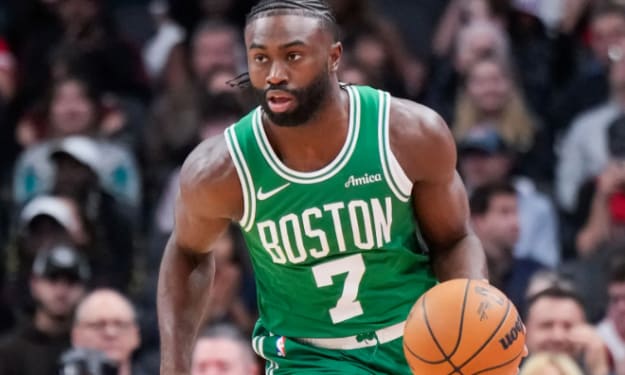
Mocking Jaylen Brown’s Hairline Is More Than Just a Joke—It’s a Reflection of Our Misplaced Priorities
In recent weeks, Boston Celtics star Jaylen Brown has found himself at the center of a viral controversy—not for his performance on the court, but for what fans have dubbed the “spray-paint saga.” During games against the New York Knicks and Detroit Pistons, Brown’s alleged use of spray-on hair products appeared to leave visible marks on the jerseys of opposing players OG Anunoby and Ronald Holland II. While the internet has had its fun, turning the incidents into memes and punchlines, it’s time to ask a more serious question: Why are we so quick to ridicule something that might be deeply personal?
By Maadi Roshan3 months ago in Unbalanced
Wild Card Weekend Recap: What Happens Now?
I think I figured out why I love Wild Card Weekend so much. It's because it's the first playoff anything of the calendar year. The NFL season starts in the fall, and once upon a time, the champion was crowned either on or slightly before New Year's. The evolution of the NFL schedule has resulted in the playoffs starting just into the New Year, and currently, the final week of the season falls on the first weekend of the New Year, with Wild Card Weekend coming a week after that. So yes, chronologically, the NFL's Wild Card Weekend serves as the first playoff anything of the calendar year.
By Clyde E. Dawkins27 days ago in Unbalanced
Kristaps Porzingis
Kristaps Porzingis has spent much of his NBA career being evaluated through two lenses at the same time. On one hand, he is one of the league’s most skilled big men, capable of scoring from the perimeter while protecting the rim. On the other, his long-term value is often questioned because of health concerns and the financial commitment attached to his contract. As a result, Porzingis remains a frequent subject of trade discussions and roster analysis across the league. Standing over seven feet tall, Porzingis brings a rare combination of size and shooting ability. His skill set allows teams to space the floor while maintaining interior defense, a balance that few players can provide. When he is on the court, his presence changes how opponents defend and attack. However, his availability has consistently shaped how teams view his overall impact. Questions such as “is Porzingis injured” often arise when he misses games, reflecting how closely his health is monitored by fans and analysts. While not every absence is due to injury, his history has created a narrative that follows him throughout the season. This uncertainty plays a major role in shaping trade rumors and long-term planning. In recent months, Golden State Warriors trade rumors have drawn attention to Porzingis as a possible frontcourt option. The Warriors have relied heavily on smaller lineups, and their depth chart has often lacked size and rim protection. Adding a player like Porzingis would dramatically alter their approach, giving them a legitimate interior presence without sacrificing spacing. From a basketball standpoint, Porzingis could fit within Golden State’s system. His ability to shoot from distance would allow perimeter players such as Buddy Hield to operate with more room. Defensively, his length could help cover weaknesses inside. Still, any potential Warriors trade would require careful consideration of financial constraints and roster balance. The Porzingis contract remains a central issue in any trade scenario. His salary reflects his upside, but teams must decide whether that investment aligns with their competitive timeline. For Golden State, already managing payroll challenges, acquiring Porzingis would likely require moving key assets. Jonathan Kuminga is often mentioned in Warriors trade discussions because of his age, athleticism, and future potential. Including him in a Kuminga trade tied to Porzingis would signal a clear shift toward short-term contention. Such a move would carry risk, especially given Kuminga’s development trajectory. Elsewhere in the league, teams such as the Atlanta Hawks have also appeared in broader trade speculation involving Porzingis. The Hawks continue to explore ways to strengthen their frontcourt while maintaining flexibility. While no confirmed talks have emerged, their situation makes them a logical team to monitor. National coverage from ESPN NBA frequently highlights Porzingis as a player whose value depends heavily on context. When healthy, he can elevate a team’s ceiling. When unavailable, he becomes a financial and strategic challenge. This dual reality keeps his name active in trade conversations even when no deal is imminent. Health remains the defining variable in Porzingis’s career. Reports mentioning illness or short-term absences often lead to increased scrutiny, even when the issues are minor. The focus on Porzingis illness reflects how important availability has become in evaluating modern NBA players. Despite these concerns, Porzingis has shown growth in his approach to the game. He has become more efficient offensively and more disciplined defensively, adapting his style to reduce physical strain. These adjustments suggest a player committed to extending his career and maximizing his impact when active. For teams like the Warriors, the question is not simply whether Porzingis is talented, but whether he fits the broader plan. Warriors trade news often centers on balancing experience with youth, and Porzingis represents a high-reward option that requires confidence in health management. Kristaps Porzingis remains one of the NBA’s most complex evaluations. He is neither a guaranteed solution nor an expendable piece. Instead, he represents the challenge of modern roster building, where talent, durability, and financial flexibility must align. Whether he remains with his current team or becomes part of a future trade, Porzingis continues to shape conversations about risk and reward in the league.
By Saboor Brohi 4 days ago in Unbalanced
The Devil's Triangle
The sails ruffled in the breeze as we cruised along. The Sea Breeze was a mid-size catamaran that sailed out of Royal Naval Dockyard in Bermuda. We had booked this trip weeks in advance and were now looking at our Captain, Spike and two boat hands. Paddy and Wilson seemed like nice guys, joking around with the passengers and telling us some stories about Bermuda that only locals would know. Their island accents sounded almost British but they were pleasant to listen to.
By Barbara Gode Wiles6 days ago in Fiction


Comments
There are no comments for this story
Be the first to respond and start the conversation.