
How to Avoid Scams When Selling Your Old Vehicle
A realistic look at how to protect yourself when turning your vehicle into cash


Letting go of an old vehicle should be straightforward. You agree on a price, exchange payment, sign the paperwork, and move on. In reality, the process can attract the wrong kind of attention. People looking for quick profit sometimes target private sellers who may not be familiar with common fraud tactics.
Instead of approaching the sale casually, it helps to treat it like a business transaction. A careful mindset makes a big difference.
Why Private Sellers Face Higher Risk
When you sell privately, you are handling everything yourself — communication, negotiation, payment, and documentation. There is no middle layer filtering out dishonest inquiries. That independence is appealing, but it also means responsibility falls entirely on you.
Fraudsters often search for listings where the seller appears eager or inexperienced. They may use polished language and convincing stories to build trust quickly. Staying neutral and professional from the beginning helps reduce vulnerability.
Conversations That Should Raise Concern
Not every unusual message is a scam, but certain patterns appear repeatedly. For example, someone might agree to purchase the car immediately without asking basic questions. Others may avoid phone calls and insist on messaging apps only. Some will claim they are arranging collection through a “shipping agent” you have never heard of.
A frequent warning signal is when a buyer pushes you to act quickly. If someone pressures you to finalize everything within hours or tries to distract you with complicated explanations, pause and reassess. A genuine purchaser will not object to reasonable verification steps.
When communication feels rushed or inconsistent, consider it a cue to slow down.
Handling Money the Smart Way
The biggest risk comes at the payment stage. Screenshots of transfers, emailed confirmations, or promises that funds are “pending” should never be treated as proof. The only proof that matters is cleared money in your account.
If you accept a bank transfer, log in directly through your bank’s official platform to confirm it. Do not rely on links sent by the buyer. If cash is involved, count it carefully and meet in a secure location.
Be especially cautious if someone sends extra money and asks you to return the difference. This tactic is designed to exploit confusion and usually involves fraudulent funds.
Never release the vehicle or keys until you are completely certain payment is final.
Protecting Your Private Information
Selling a vehicle requires some information sharing, but limits are important. Provide details about the car itself, not unnecessary personal documents. Your home address, identification copies, or banking information should not be casually distributed.
If a buyer requests unusual documentation that seems unrelated to the transaction, question the purpose. Identity misuse is a growing problem, and protecting your personal data is just as important as protecting your payment.
Establishing clear limits keeps the transaction professional.
Considering Structured Selling Options
Some sellers decide that convenience and security are worth more than squeezing out the last few dollars in a private deal. Established vehicle buying services usually follow clear procedures, inspect the car, and complete paperwork on the spot.
For instance, many owners in Western Australia prefer to sell car for cash Perth through licensed operators because the process reduces direct exposure to unknown buyers and simplifies payment confirmation.
Choosing a structured option can lower stress and minimize uncertainty.
Being Careful During Viewings
Meeting a potential buyer should always be done thoughtfully. Always schedule meetings in well-populated, daylight locations. Ask to see a valid driver’s licence before any test drive. If possible, accompany the driver rather than allowing them to take the car alone.
Keep valuables out of the vehicle before the meeting. Even small items left inside can disappear during inspections.
Preparation creates a safer environment for both parties.
Finalizing Ownership Properly
Once payment is secure, complete the ownership transfer according to local transport rules. Sign the correct forms, submit required notices, and retain copies for your records. Do not assume the buyer will handle everything later.
Failure to complete documentation can result in fines or legal complications if the vehicle remains registered in your name. Closing the administrative side of the sale is just as important as receiving payment.
A Calm Approach Prevents Costly Mistakes
Most scams succeed because someone feels rushed, pressured, or distracted. By slowing down and verifying each step, you remove the advantage from dishonest buyers. Being well-prepared is what builds confidence, not rushing through the process.
Selling your used car does not have to be stressful. With clear communication, verified payments, protected personal information, and proper paperwork, you stay in control from start to finish.
About the Creator
Keep reading
More stories from Austin Peck and writers in Wheel and other communities.
Are Online Car Buyers Better Than Dealership Trade-Ins?
If you are thinking about selling your car, you have probably asked yourself whether you should trade it in at a dealership or sell it to an online car buyer. Both options promise convenience. Both claim competitive offers. But which one actually gives you the better deal?
By Austin Peck2 days ago in Wheel
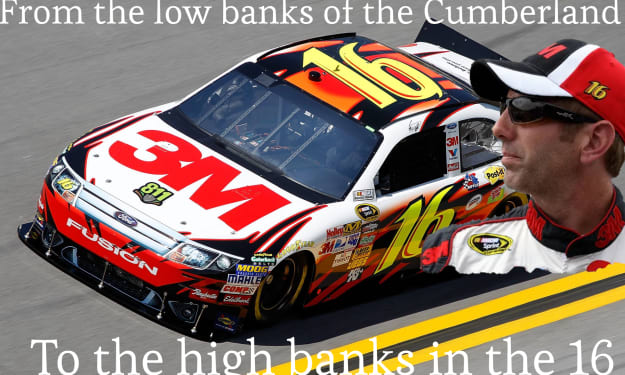
From the Low Banks of the Cumberland River to the High Banks in the 16
One of the best abilities to have is adaptability. Nobody exemplified that more than Greg Biffle. It didn't matter what he drove, Biffle would find his way to the front of the field. The winningest driver in the 16 car, he totalled 19 wins in the cup series alone.
By Ben Hercik7 days ago in Wheel



Comments
There are no comments for this story
Be the first to respond and start the conversation.