
Understanding EGR Delete Kits: What They Are and Why You Need One
Understanding EGR Delete Kits: What They Do and Whether They’re Right for Your Truck
Understanding EGR Delete Kits: The Pros and Cons for Diesel Truck Owners
If you're into diesel trucks, chances are you've heard about EGR delete kits. These mods have become popular among truck owners looking to get more out of their vehicles in terms of performance and fuel efficiency. But what exactly are EGR delete kits, and are they the right choice for your truck? Let’s break it down and take a closer look at both the benefits and potential downsides of this controversial upgrade.
What is an EGR Delete Kit?
EGR stands for Exhaust Gas Recirculation, a system designed to reduce nitrogen oxide (NOx) emissions by redirecting some exhaust gas back into the engine cylinders. An EGR delete kit removes this system from your diesel engine.
While the EGR system is meant to cut emissions, some truck owners believe it can hinder engine performance and even shorten the engine's lifespan. That's where EGR delete kits come in.
The Potential Benefits
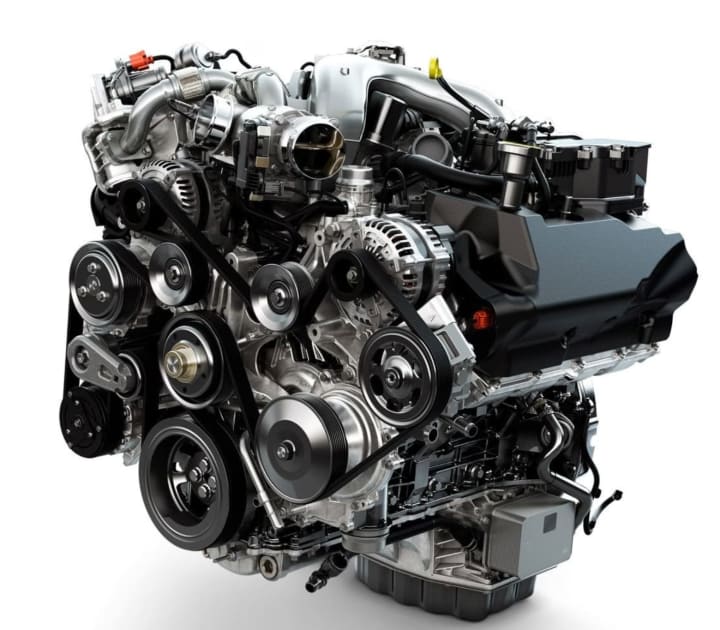
Many truck owners are drawn to EGR delete kits for a few key reasons. First off, there's the potential for a boost in horsepower and torque. Removing the EGR system can improve airflow to the engine, which might result in more power.
Improved fuel efficiency is another benefit that gets a lot of attention, though it can vary from one vehicle to another. Some owners report getting better mileage after installing an EGR delete kit.
There's also the possibility of extending your engine’s life. By removing the EGR system, you might prevent carbon buildup in the intake manifold and EGR valve, which could help your engine last longer.
Another potential perk is lower engine temperatures. Without hot exhaust gases being recirculated, your engine could run cooler, reducing the risk of overheating.
Lastly, with one less component in your engine, you might save on maintenance costs over time.
The Downsides and Risks
While the benefits can be tempting, it's important to consider the drawbacks. The biggest issue is legality. EGR delete kits are usually not street legal and may violate emissions regulations. Always check your local laws before making this modification.
Warranty concerns are another big factor. Installing an EGR delete kit will likely void your vehicle’s warranty, leaving you on the hook for any repairs down the line.
There's also the environmental impact to think about. The EGR system exists to reduce harmful emissions. Removing it means your truck will have a larger environmental footprint.
Finally, there's the risk of engine damage. If an EGR delete kit isn't installed correctly, it could lead to engine problems later on.
Making an Informed Decision
Before deciding on an EGR delete kit, think about your priorities. Are you focused on getting the most performance possible, even if it means skirting emissions regulations? Or do you prefer to keep your truck street legal and more environmentally friendly?
If you decide to explore EGR delete kits, be sure to do your homework and choose a high-quality kit that’s designed for your specific make and model. It’s also wise to have the kit installed by a professional who understands the ins and outs of your engine. And be aware of the potential legal consequences if you plan to use your modified truck on public roads.
Conclusion

EGR delete kits are a hot topic in the diesel truck world. While they can offer some performance benefits, they come with significant legal and environmental trade-offs. As a responsible truck owner, it’s up to you to weigh the pros and cons of an egr delete kit and make the best choice for your vehicle and your situation.
Remember, there are other ways to boost your truck’s performance without removing emissions controls. You might consider options like professional engine tuning, high-flow air intakes, or upgraded exhaust systems that keep you within emissions regulations while still giving your truck a performance edge.
Whatever you decide, always keep your engine’s longevity and environmental responsibility in mind. Happy trucking!
About the Creator
Keep reading
More stories from JDM Performance and writers in Wheel and other communities.
What Does JDM Stand For? Unraveling the Mystery Behind Japanese Domestic Market Cars
If you're a car enthusiast or a tuning aficionado, you've likely heard the term "JDM" thrown around in conversations, forums, and car shows. But what does JDM stand for, and why is it so significant in the automotive world? Let's delve into the fascinating realm of Japanese Domestic Market (JDM) cars and explore their unique appeal.
By JDM Performance2 years ago in Wheel
How to Winterize Your ATV: Axle Inspection & Replacement
As cold weather hits, it’s time to start thinking about preparing your ATV for the winter months ahead. Properly preparing your equipment will ensure you’re ready to ride by the time spring rolls around and prevent potentially costly damage that could occur. The following tips will help you get your ATV or UTV fully winterized and prepared to ride out the weeks ahead.
By Jordan McDowell5 days ago in Wheel
The Ghost Shift: 440 Horses and a Haunted Highway
The 1970 Dodge Challenger didn’t belong in this decade. It was a block of matte-black iron in a world of plastic electric bubbles. I sat in the driver’s seat, the idle of the 440 Magnum engine vibrating through my spine—a mechanical heartbeat that felt more real than anything else in Las Vegas.
By Shazzed Hossain Shajal5 days ago in Wheel
The Devil's Triangle
The sails ruffled in the breeze as we cruised along. The Sea Breeze was a mid-size catamaran that sailed out of Royal Naval Dockyard in Bermuda. We had booked this trip weeks in advance and were now looking at our Captain, Spike and two boat hands. Paddy and Wilson seemed like nice guys, joking around with the passengers and telling us some stories about Bermuda that only locals would know. Their island accents sounded almost British but they were pleasant to listen to.
By Barbara Gode Wiles7 days ago in Fiction




Comments