
Unlocking the Full Potential of AI-Enabled IoT for a Smarter Future
How AI and IoT Integration is Revolutionizing Industries for a More Connected and Efficient World
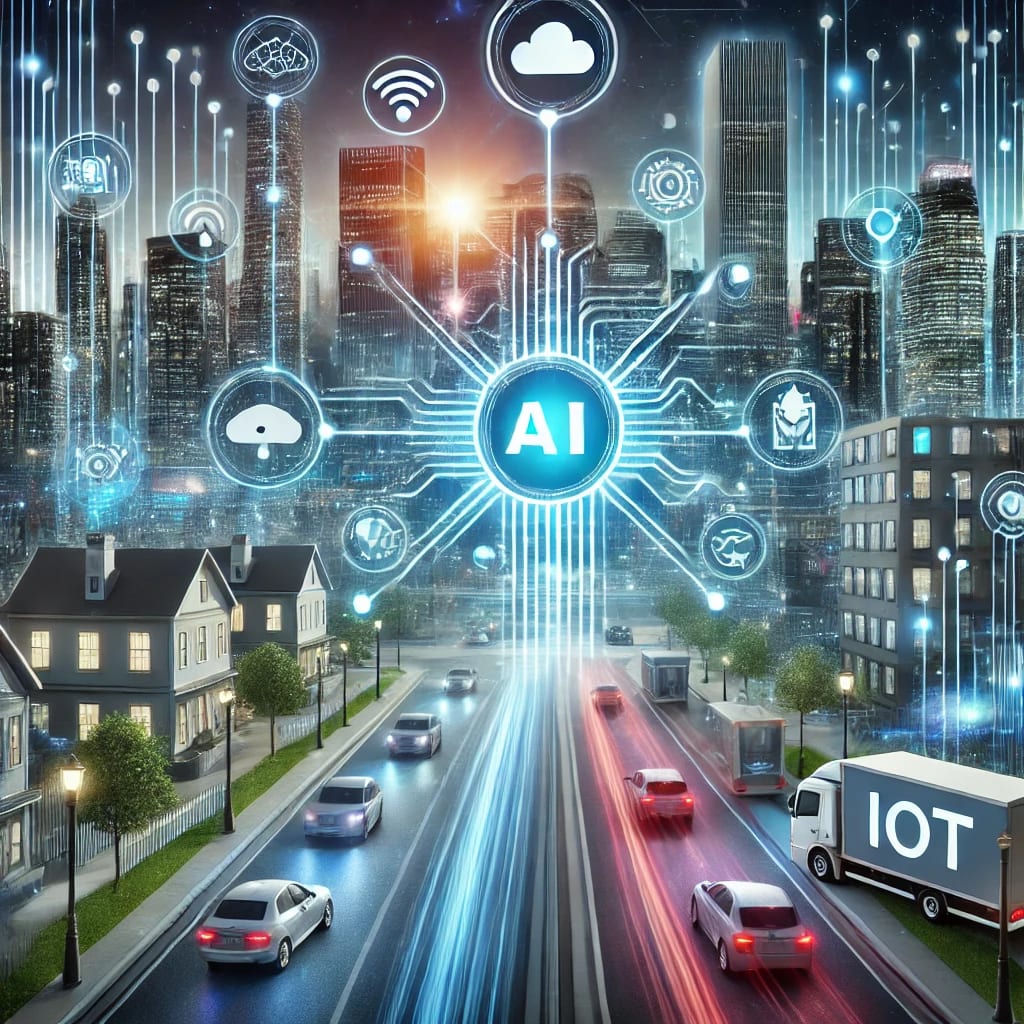
The fusion of Artificial Intelligence (AI) and the Internet of Things (IoT) is heralding a new era of technological advancement. This powerful combination is set to enhance efficiency, improve decision-making, and create systems that are not only smarter but also more responsive to our everyday needs.
Take smart cities, as a prime example. By using AI to analyze data from IoT sensors, cities can optimize traffic flow, manage waste better, and improve public safety. This leads to more livable environments where resources are used wisely. Additionally, AI analyzes data from smart meters to optimize energy consumption patterns. This not only reduces waste and lowers operational costs but also promotes sustainability, benefiting the entire community.
Growth of AI-Enabled Internet of Things (IoT) Devices
The market for AI in IoT is expected to experience steady growth, with a projected compound annual growth rate (CAGR) of 6.4% during the forecast period. In 2023, this market is anticipated to generate revenue of USD 82.1 billion, with expectations to exceed USD 153.1 billion by 2033.
The increasing demand for asset tracking and performance management solutions, particularly in sectors like transportation and logistics, is driving the need for dedicated IoT services. Moreover, the expansion of mobile network services globally enhances connectivity platforms, further propelling market growth.
With advancements in AI technology, the ability to access networks and share data in real-time is elevating IoT deployments to unprecedented levels of efficiency. This trend indicates a significant boost in the market value of IoT devices over the next decade.
The Synergy Between AI and IoT
When we think about the relationship between AI and IoT, it’s essential to recognize that these technologies are not merely standalone entities. Instead, their integration forms a powerful ecosystem often referred to as the Artificial Intelligence of Things (AIoT). This synergy allows IoT devices to gather vast amounts of data, while AI algorithms process this information to derive actionable insights. For instance, in industrial environments, IoT sensors can monitor the performance of machinery in real-time, while AI analyzes this data to predict potential equipment failures. This predictive maintenance approach minimizes downtime and maximizes efficiency.
A.) Enhanced Efficiency and Automation
One of the standout advantages of AI-enabled IoT is its ability to enhance operational efficiency across various industries. By automating routine tasks using AI-driven analytics, businesses can significantly reduce costs and optimize resource allocation. For example, consider the supply chain management sector. Here, AI can sift through data from multiple sources to streamline inventory control and logistics, saving time and enabling human resources to focus on more strategic initiatives that drive growth.
B.) Intelligent Decision-Making
AI also empowers IoT systems to make intelligent decisions based on real-time data analysis. In the healthcare sector, AI-enabled IoT devices continuously monitor patient vitals, alerting healthcare professionals to any anomalies that may require immediate attention. Similarly, in transportation, AI algorithms can optimize routes based on live traffic data collected from IoT sensors, significantly improving operational efficiency and reducing congestion. This capacity for intelligent decision-making fundamentally changes how industries operate, making them more responsive to changing conditions.
Discover Securing the IoT Ecosystem: Strategies Against Cyber Threats
Enhancing Industrial Efficiency with AI
AI significantly boosts the efficiency of IoT devices in industrial settings through various mechanisms. Here’s how:
1.) Predictive Maintenance
One of the critical benefits of integrating AI into IoT systems is predictive maintenance. AI algorithms analyze data from IoT sensors to predict potential equipment failures before they occur. This proactive approach allows maintenance teams to address issues before they escalate, minimizing downtime and reducing costs associated with unplanned maintenance. For instance, sensors can continuously monitor critical parameters, such as temperature and vibration, alerting teams to anomalies that may indicate wear or impending failure.
2.) Real-Time Data Analysis
AI also empowers IoT devices to collect and analyze vast amounts of data in real time. This capability enables intelligent decision-making and improves operational accuracy. By identifying patterns and trends within the data, AI can help organizations optimize their operations and allocate resources more effectively, ultimately leading to enhanced productivity.
3.) Process Optimization
AI facilitates the optimization of industrial processes by analyzing both historical and real-time data to identify inefficiencies. For instance, AI can detect bottlenecks in production lines and recommend adjustments to improve throughput. This continuous learning process ensures that manufacturing operations remain adaptable to changing demands, leading to cost reductions and increased output.
4.) Energy Management and Sustainability
AI plays a crucial role in optimizing energy consumption within industrial settings. By analyzing usage patterns, AI can identify areas of energy waste and suggest more efficient practices. This focus on sustainability contributes to reduced operational costs and a smaller carbon footprint, aligning business practices with global sustainability goals.
5.) Quality Control
Incorporating AI into IoT connected devices enhances quality control by enabling real-time monitoring of production processes. AI algorithms can detect defects early in the manufacturing process, ensuring higher product quality and reducing waste. This proactive approach not only improves customer satisfaction but also minimizes returns due to defects, boosting the overall efficiency of the production cycle.
Future of AIoT (AI-Enabled IoT)
Looking forward, several trends are poised to shape the future of AI-enabled IoT. One notable trend is edge computing, which involves moving AI processing closer to data sources. This approach reduces latency and enables real-time decision-making, which is especially crucial for applications like autonomous vehicles that require immediate responses based on sensor data.
Another trend is the increased adoption of AI in IoT devices. As organizations recognize the benefits of combining these technologies, adoption rates are expected to rise significantly. By 2027, nearly 50% of IoT solutions are predicted to incorporate some form of AI, signaling a significant shift in how businesses leverage these technologies.
By investing in these technologies responsibly, businesses can lay the groundwork for interconnected ecosystems that thrive on intelligence and innovation.
Visit tech transformation for additional current trends in ai.
About the Creator
Tech Transformation
Tech-savvy professional with extensive experience in IT, hardware engineering, SaaS development, and AI. Driven by a passion for innovation and excellence, I specialize in creating robust technology solutions.
Keep reading
More stories from Tech Transformation and writers in Writers and other communities.
Top 10 Social Media Marketing Trends You Can't Afford to Miss in 2024
As we enter the final quarter of 2024, social media marketing continues to evolve at a rapid speed, reshaping how brands engage with their audiences. Today’s consumers demand more than just products—they crave authenticity, personalization, and genuine connections.
By Tech Transformationabout a year ago in Writers
The Literary Scam That Counts on Your Silence
Some scams walk in with a mask and a threat. Others arrive with a soft voice, a thoughtful compliment, and a claim of community. That last category does more damage over time because it operates through emotional residue, not brute force. People hesitate to expose it, not because they’re fooled, but because the interaction feels almost polite. That is the point.
By Dr. Mozelle Martin4 days ago in Writers
There's A Hole in My Bucket
It’s a well-known fact that Liza Dufresne was always the brains in the family. She was the one who always came up with the brilliant schemes the Dufresne kids carried out when they were younger. Like when they tricked Mrs. Claybourn into paying for a trip to Disney World. Liza convinced her that their parents had been kidnapped and were being held for ransom for the total price of three tickets. In reality, they were away on a weekend getaway for their anniversary. When they returned, Liza told the Claybourns that they did not like to talk about the ordeal. Their parents never found out how they got the money. Mrs. Claybourn never found out that the Dufresne parents were never really in any danger.
By David E. Perry3 days ago in Fiction




Comments
There are no comments for this story
Be the first to respond and start the conversation.